
Costa Rica · January 2027
Expeditions · Sudamerica
Costa Rica · January 2027
Wildlife Photography Expedition
At a glance
About the expedition
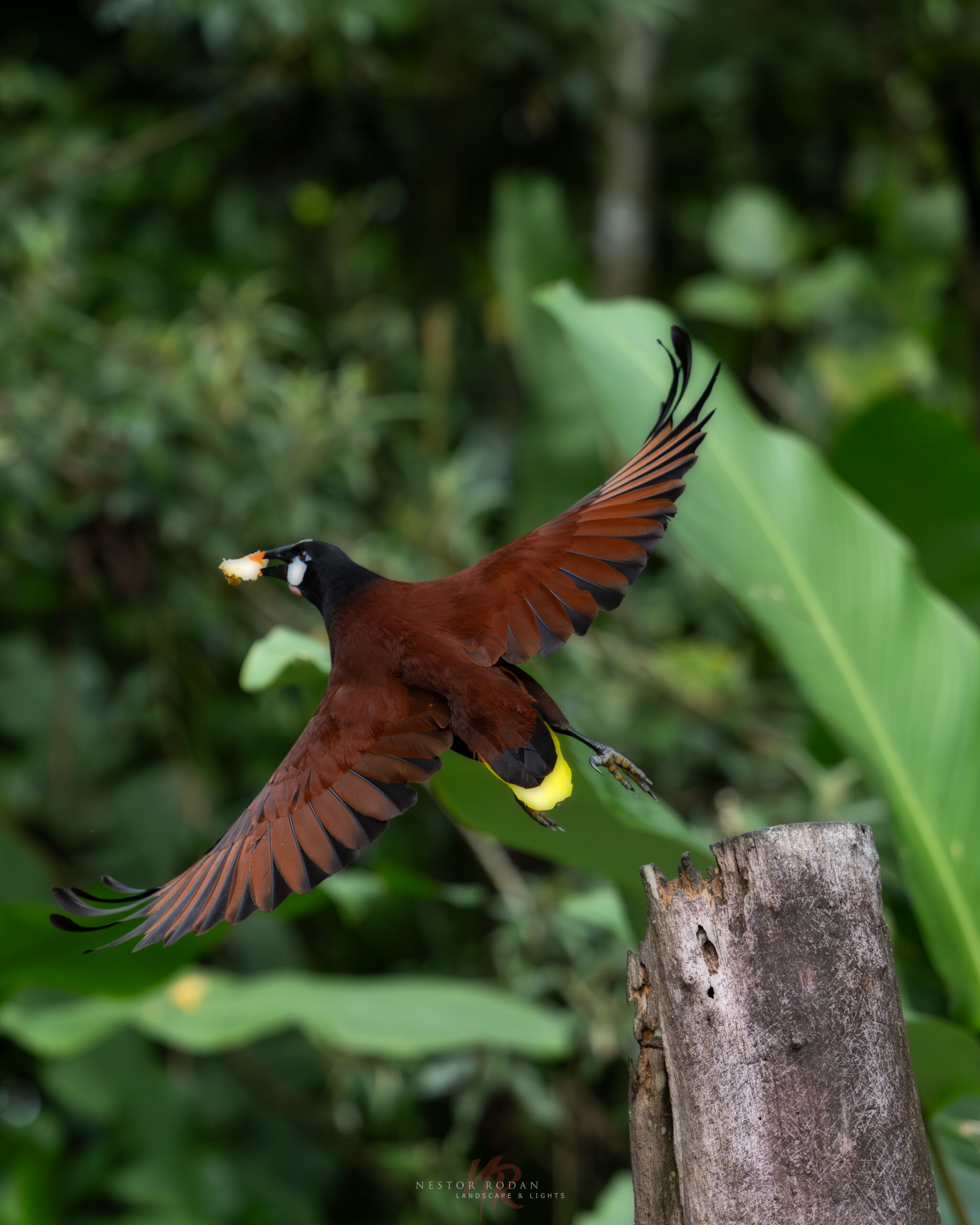
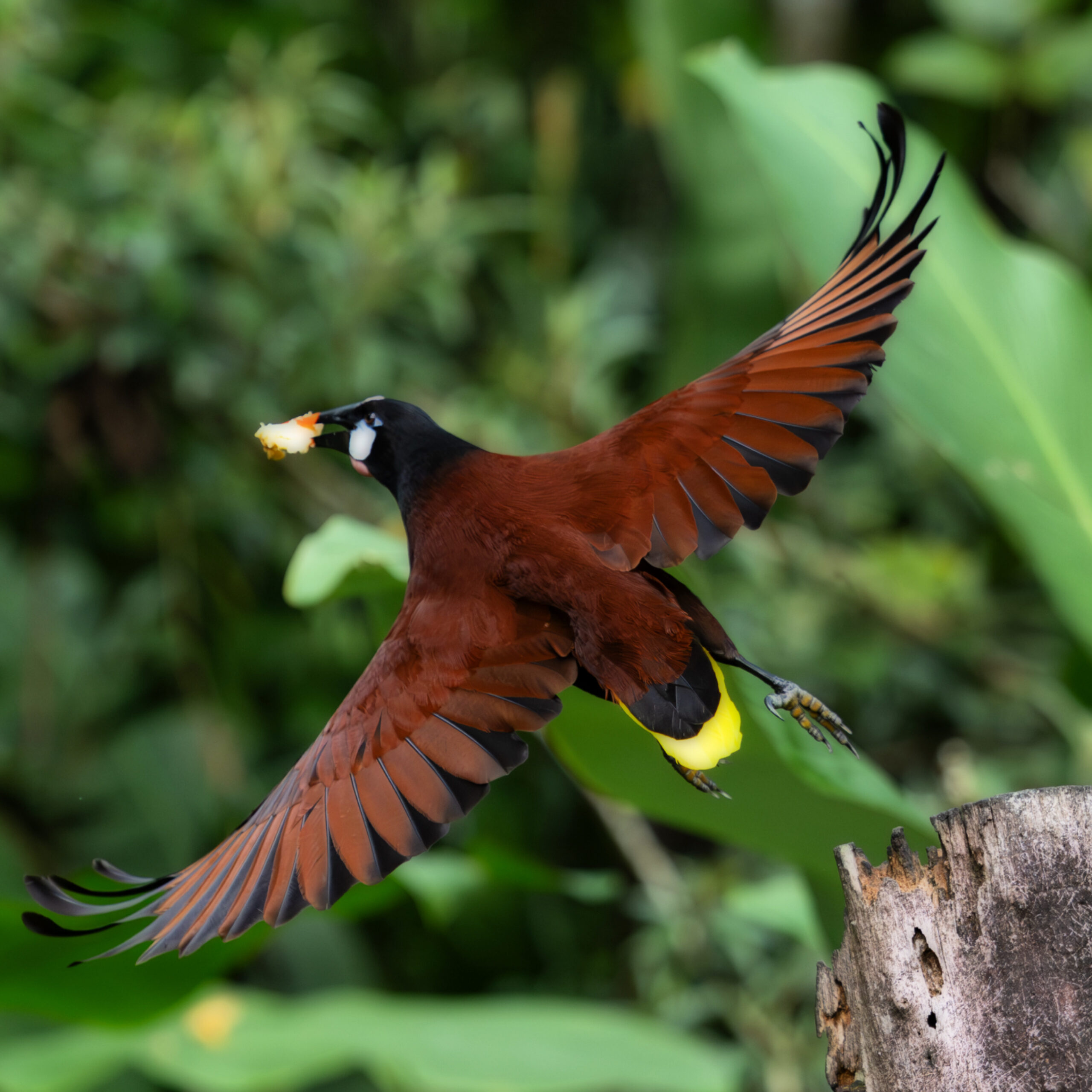
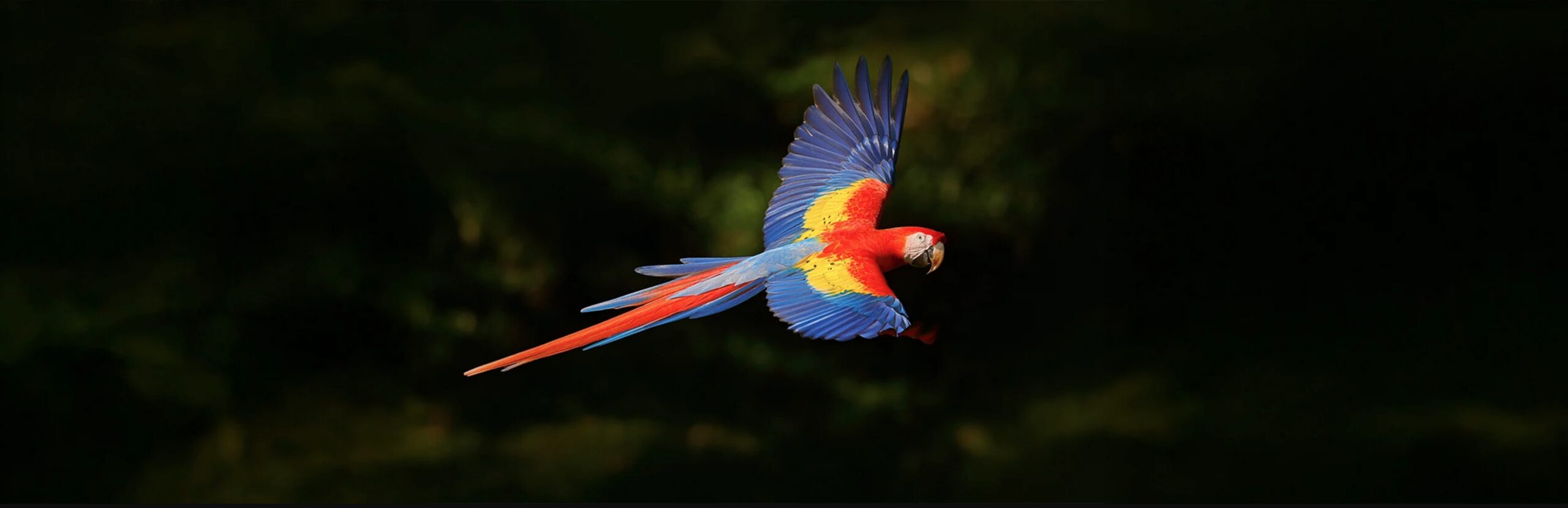
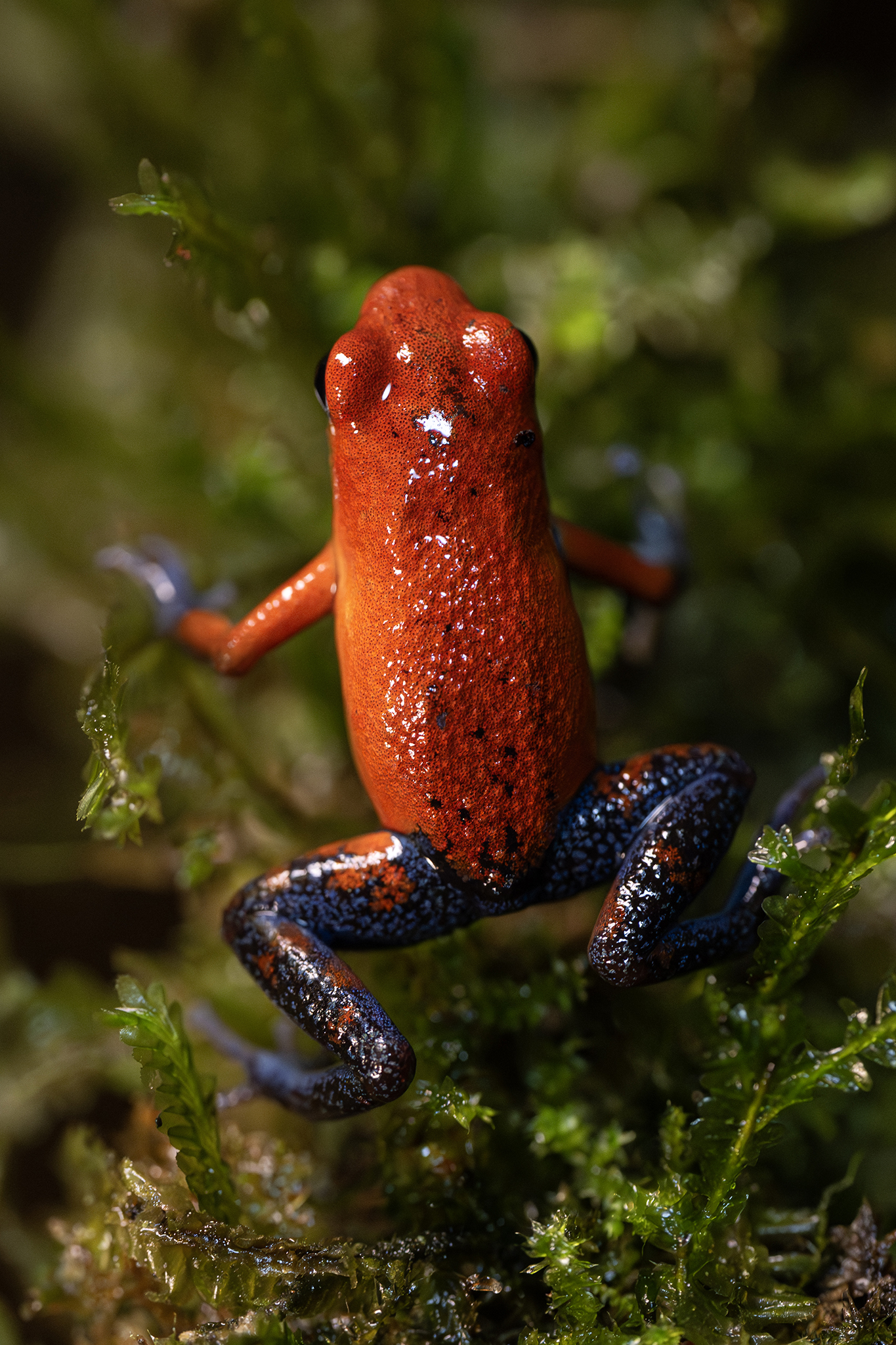
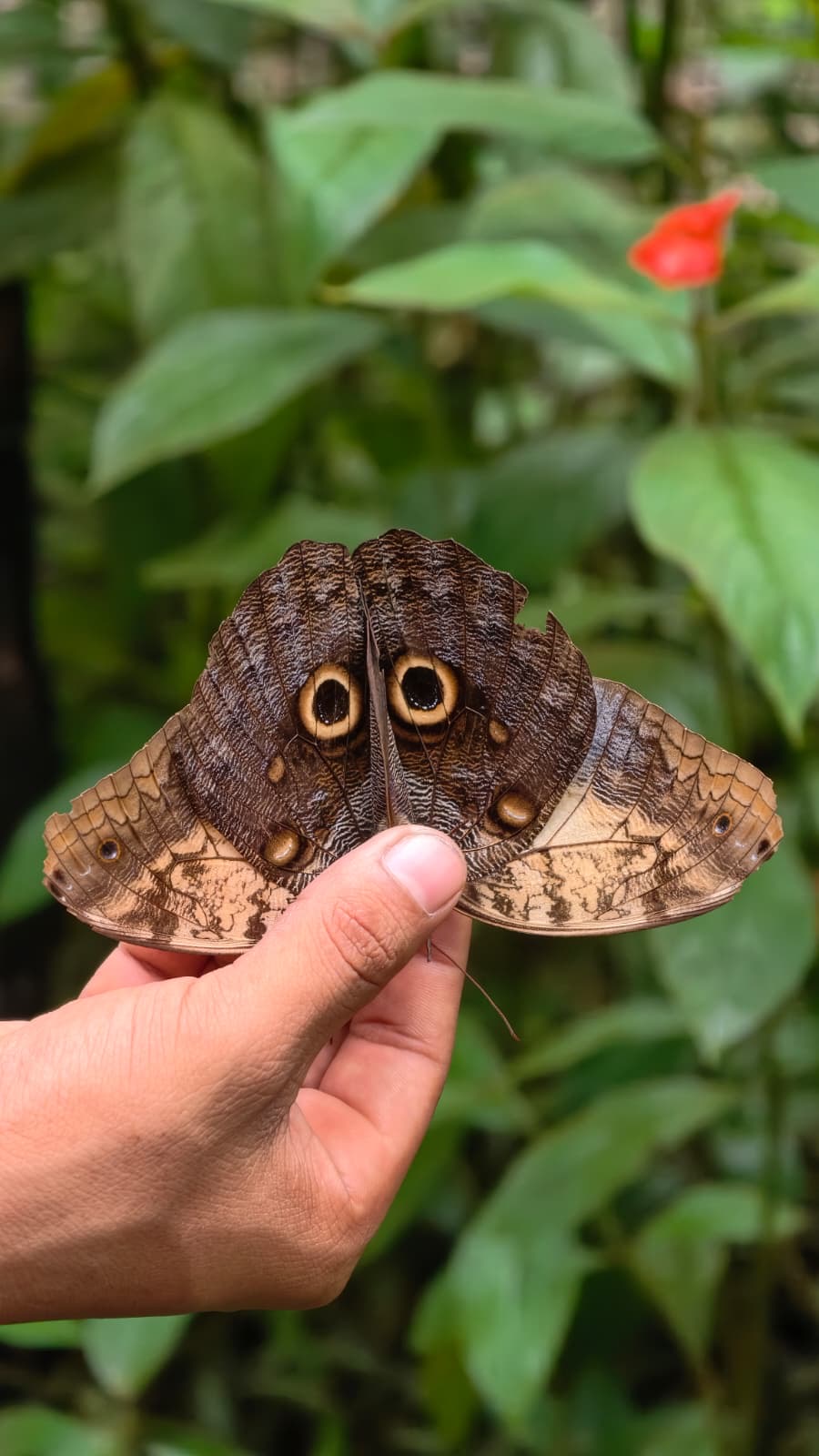
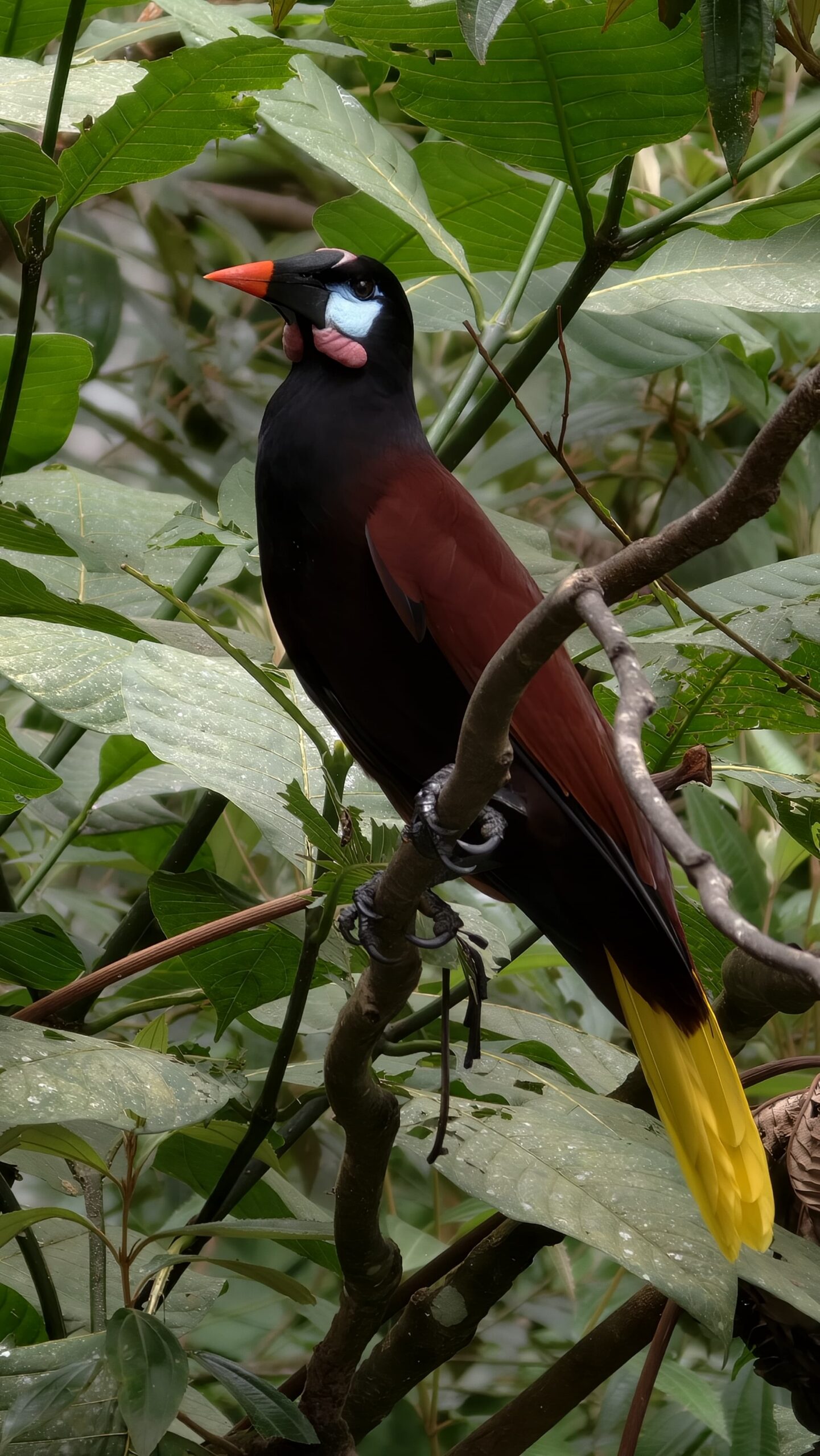
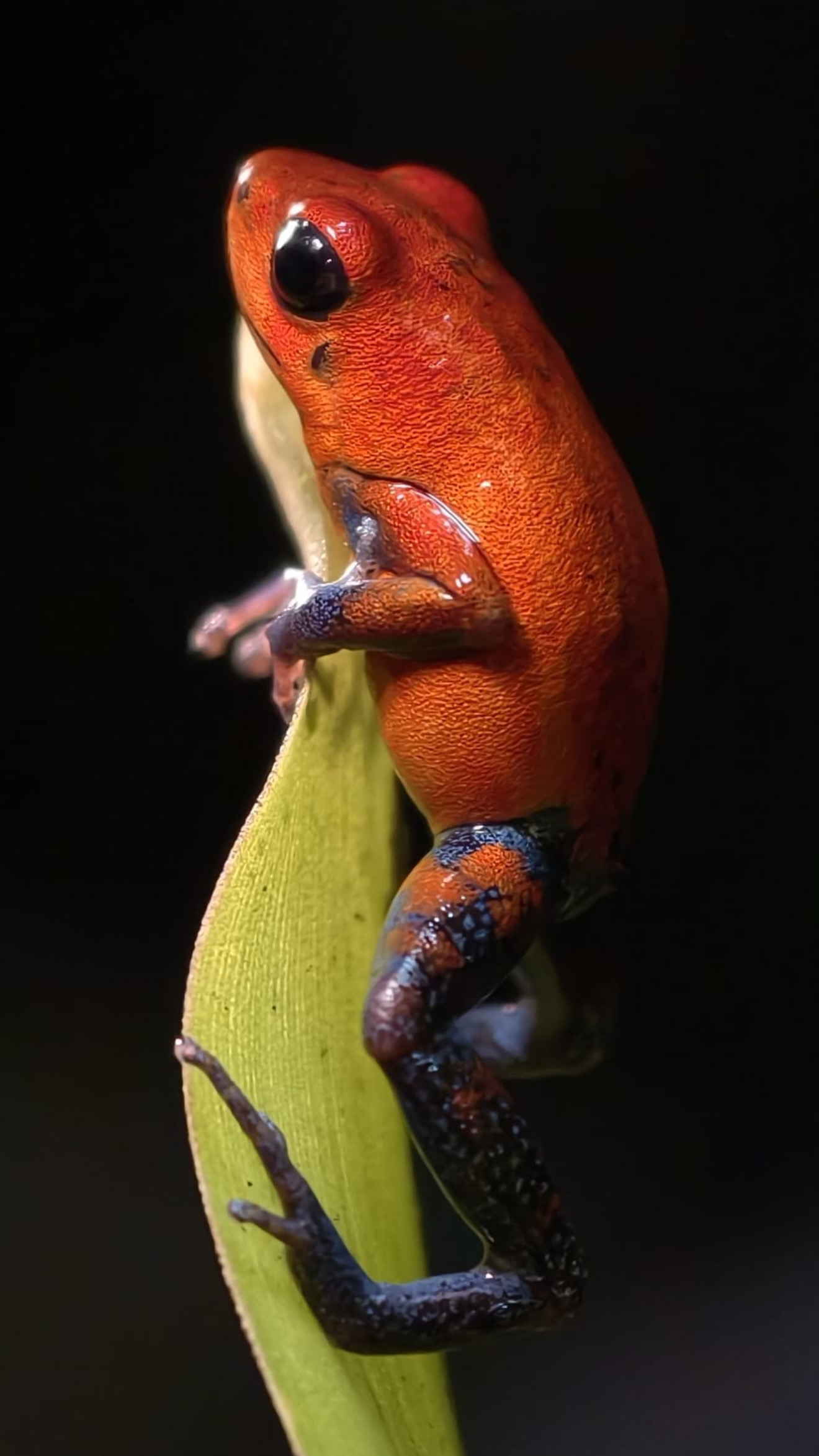
One of the richest ecosystems on Earth: tropical rainforests where Quetzals, Toucans, hummingbirds, poison dart frogs and serpents coexist in an explosion of life and colour that few cameras have ever fully captured.
Itinerary
Day by day
-
1
Arrival & Briefing
Arrival & Briefing Upon arrival at the airport, we will be met and transferred to the hotel. After settling in, an introductory briefing will take place, during which we will present the itinerary and the different locations…
Read the full day
Arrival & Briefing
Upon arrival at the airport, we will be met and transferred to the hotel. After settling in, an introductory briefing will take place, during which we will present the itinerary and the different locations where the photographic activities will be carried out throughout the trip. This first night we will stay in San José, the capital of Costa Rica. -
2
![]()
Palo Verde Cloud Forest
Palo Verde Cloud Forest We will set off early today to explore the cloud forest, an environment defined by high humidity and the constant presence of mist. Throughout the day, we will focus on bird photography in their natural…
Read the full day
Palo Verde Cloud Forest
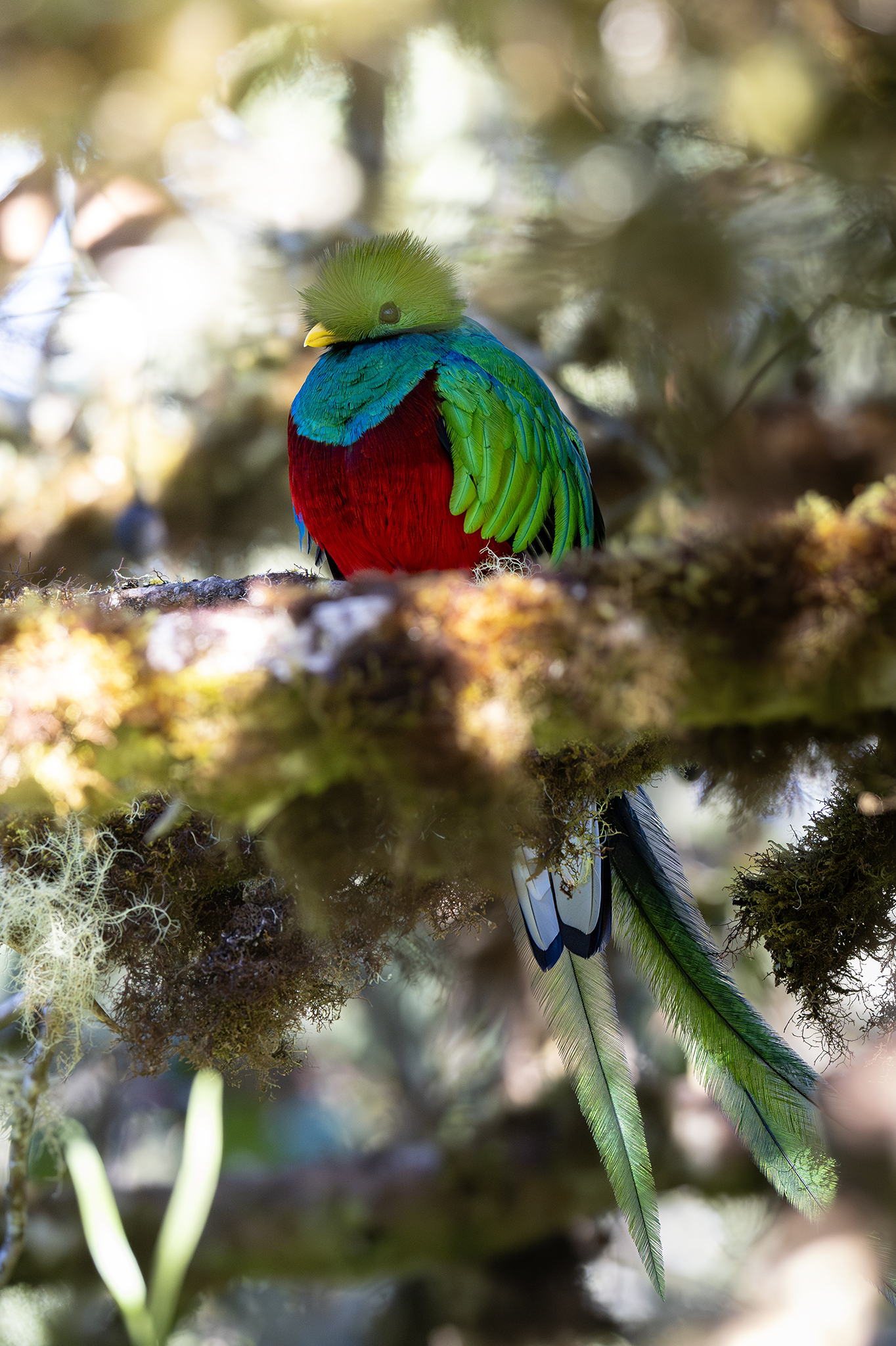
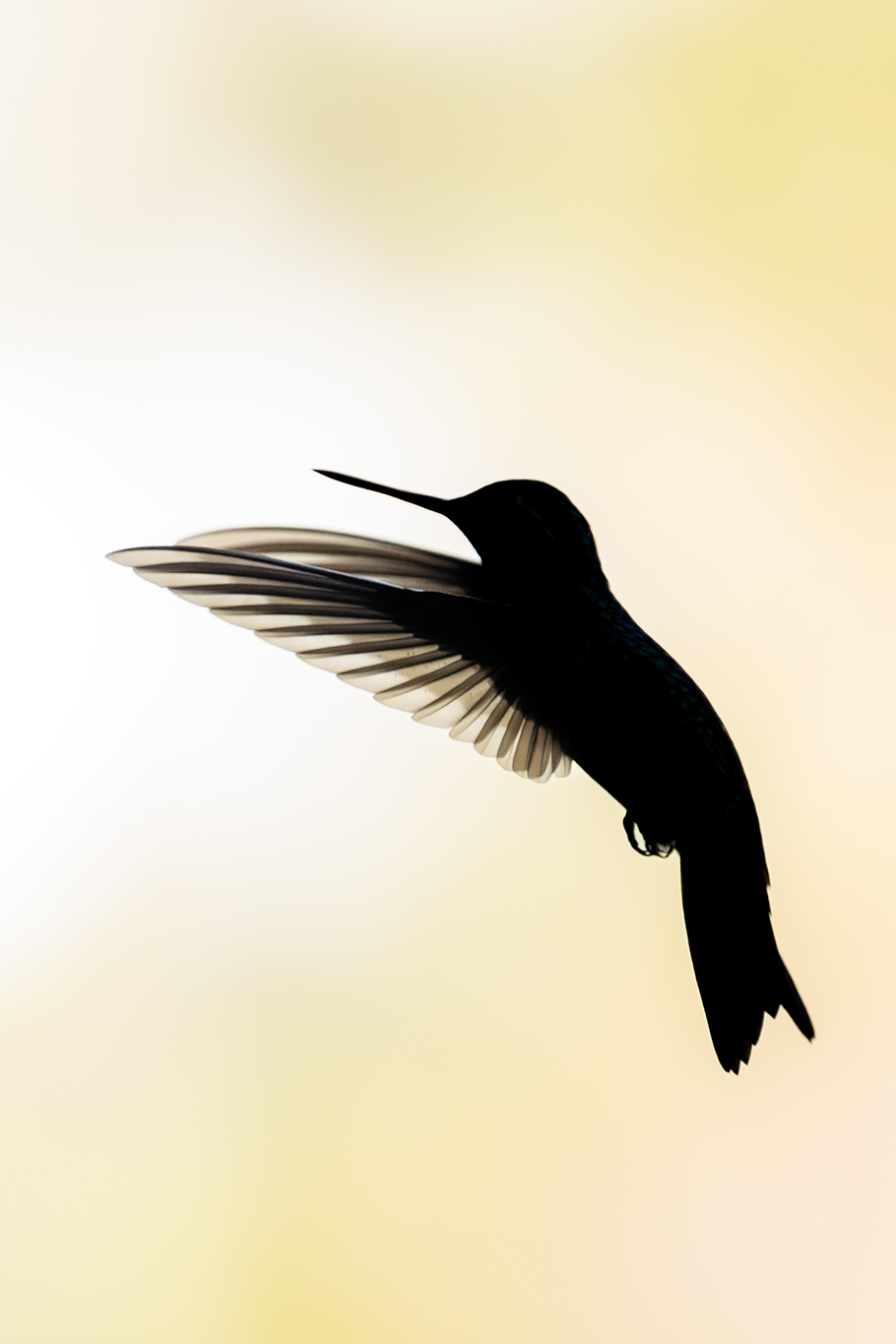
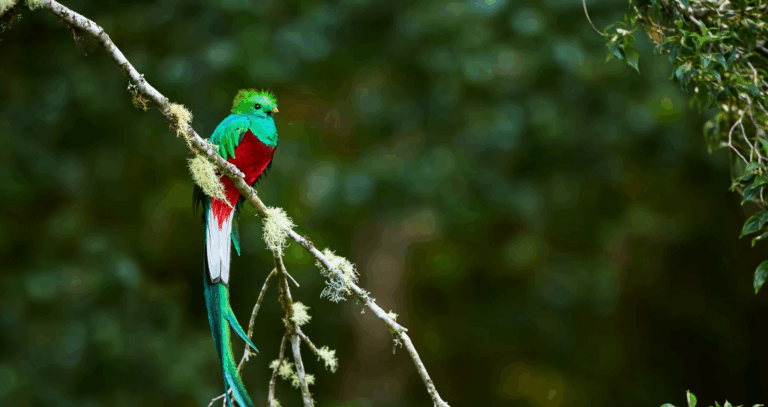
We will set off early today to explore the cloud forest, an environment defined by high humidity and the constant presence of mist. Throughout the day, we will focus on bird photography in their natural habitat, with special attention to the resplendent quetzal, various species of tanagers, and hummingbirds. We will look for scenes of birds perched on moss-covered branches, natural movement within the forest canopy, and hummingbirds in flight, taking advantage of the soft light and the unique conditions of this ecosystem. Each afternoon, time will be set aside for rest and for a group review of the photographs, during which we will also discuss the species expected for the following day and how to photograph them.
Featured birds: resplendent quetzal, ornate hawk-eagle, northern emerald toucanet, flame-colored tanager, spotted-cheeked tanager, silver-throated tanager, and various species of hummingbirds.
Photographic subjects: birds in the mist, quetzals perched on moss-covered branches, and hummingbirds in flight.
-
3
Quetzal Tour
Tour Quetzal. This day will be dedicated to searching for the resplendent quetzal in locations with a success rate close to 90%, mainly on rural farms managed by local farmers who coexist respectfully with the observation of this…
Read the full day
Tour Quetzal.
This day will be dedicated to searching for the resplendent quetzal in locations with a success rate close to 90%, mainly on rural farms managed by local farmers who coexist respectfully with the observation of this species in complete freedom. We will work on photographing the quetzal both in flight and perched on its natural perches, especially during feeding periods in wild avocado trees. In the afternoon, we will visit several perches near our lodge, where we will be able to observe and photograph a wide variety of species.
Featured birds: resplendent quetzal, fiery-throated hummingbird, volcano hummingbird, long-tailed silky-flycatcher, collared trogon, and flame-throated warbler.
Photographic subjects: encounters with the quetzal and hummingbirds feeding on flowers..
-
4
![Rana arbórea de ojos rojos sobre pétalo de flor púrpura con fondo verde desenfocado]()
Guapiles
Guapiles Today we change regions and head toward Guápiles, where we will visit several photographic perches and observation sites. Here we will focus on photographing spectacled owls, red-eyed tree frogs, snakes, white tent bats…
Read the full day
Guapiles
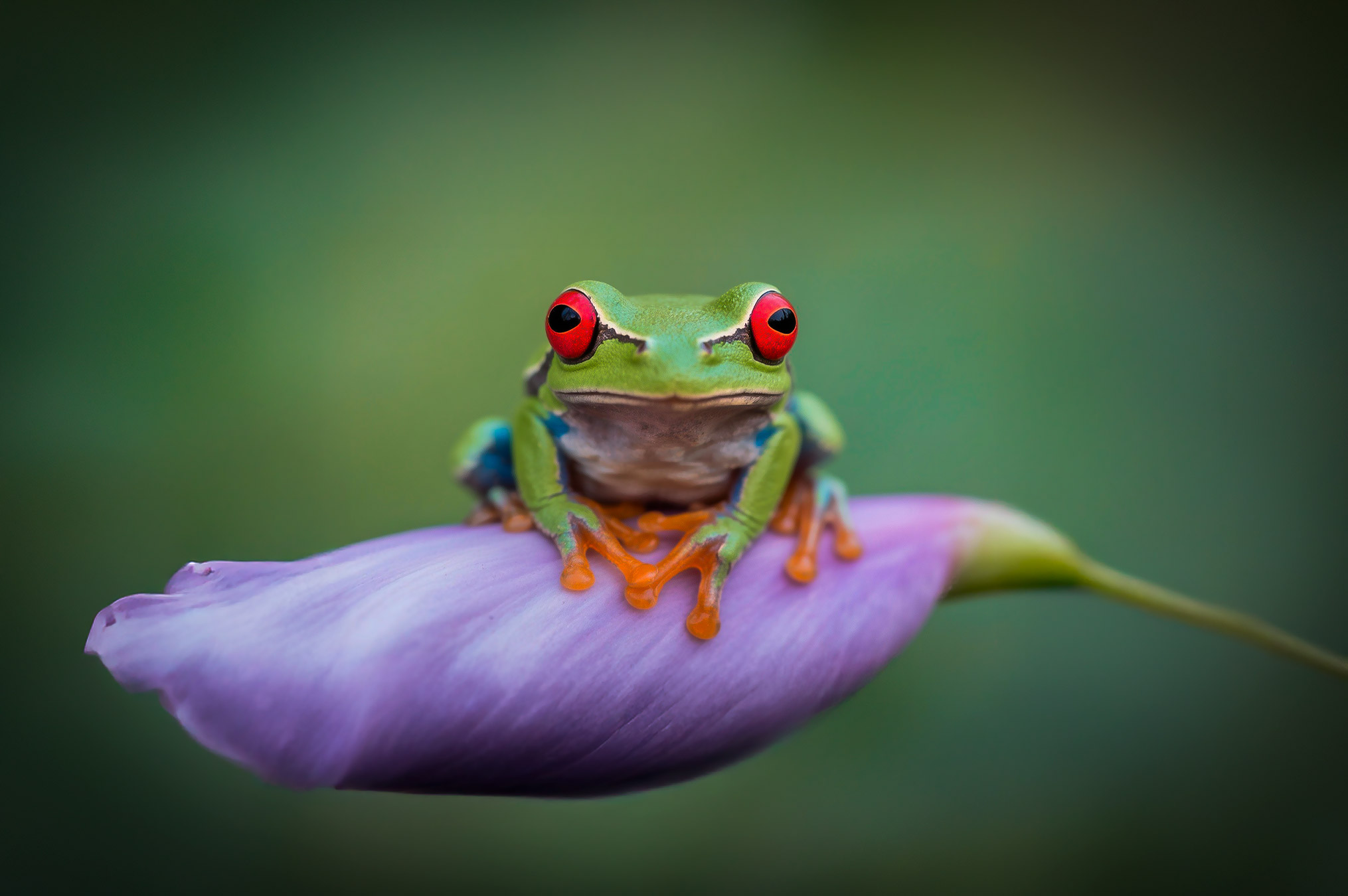
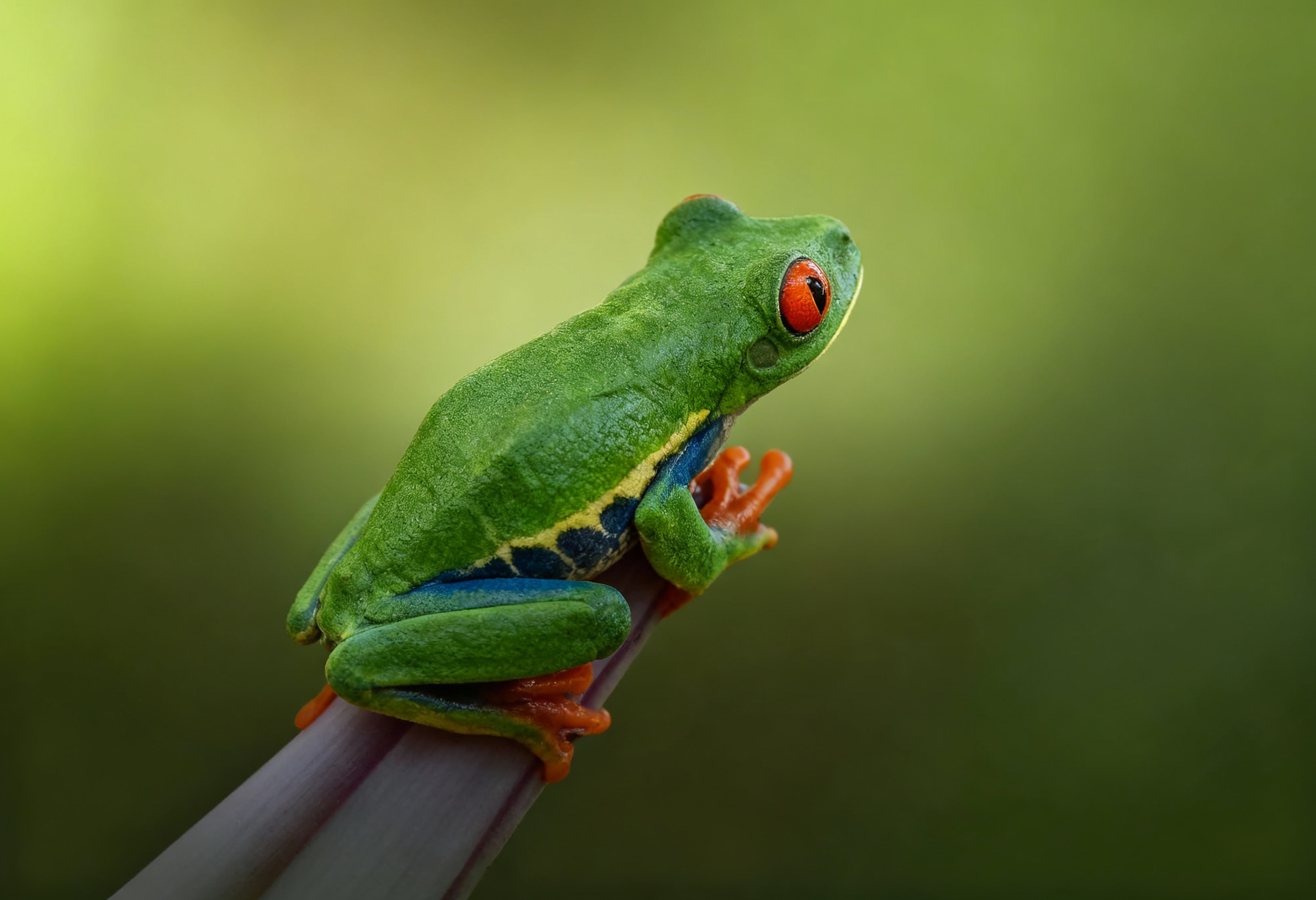
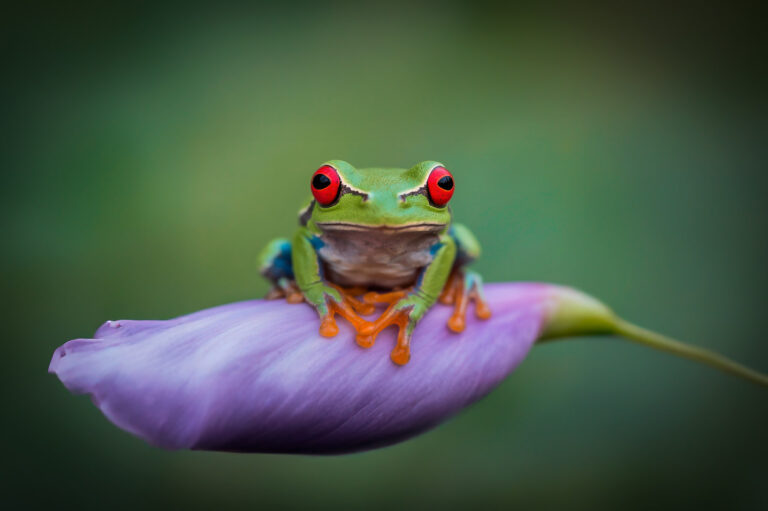
Today we change regions and head toward Guápiles, where we will visit several photographic perches and observation sites. Here we will focus on photographing spectacled owls, red-eyed tree frogs, snakes, white tent bats, and, of course, toucans, taking advantage of the rich biodiversity of the Caribbean lowlands.
-
5
![Perezoso de tres dedos colgado en rama comiendo flores blancas y amarillas en dosel tropical]()
Pierella Garden & Chocolate Experience
Pierella Garden & Chocolate Experience The following two days will be dedicated to visiting several special locations in the Guápiles region, on Costa Rica’s Caribbean slope, an area renowned for its lush lowland rainforest and…
Read the full day
Pierella Garden & Chocolate Experience
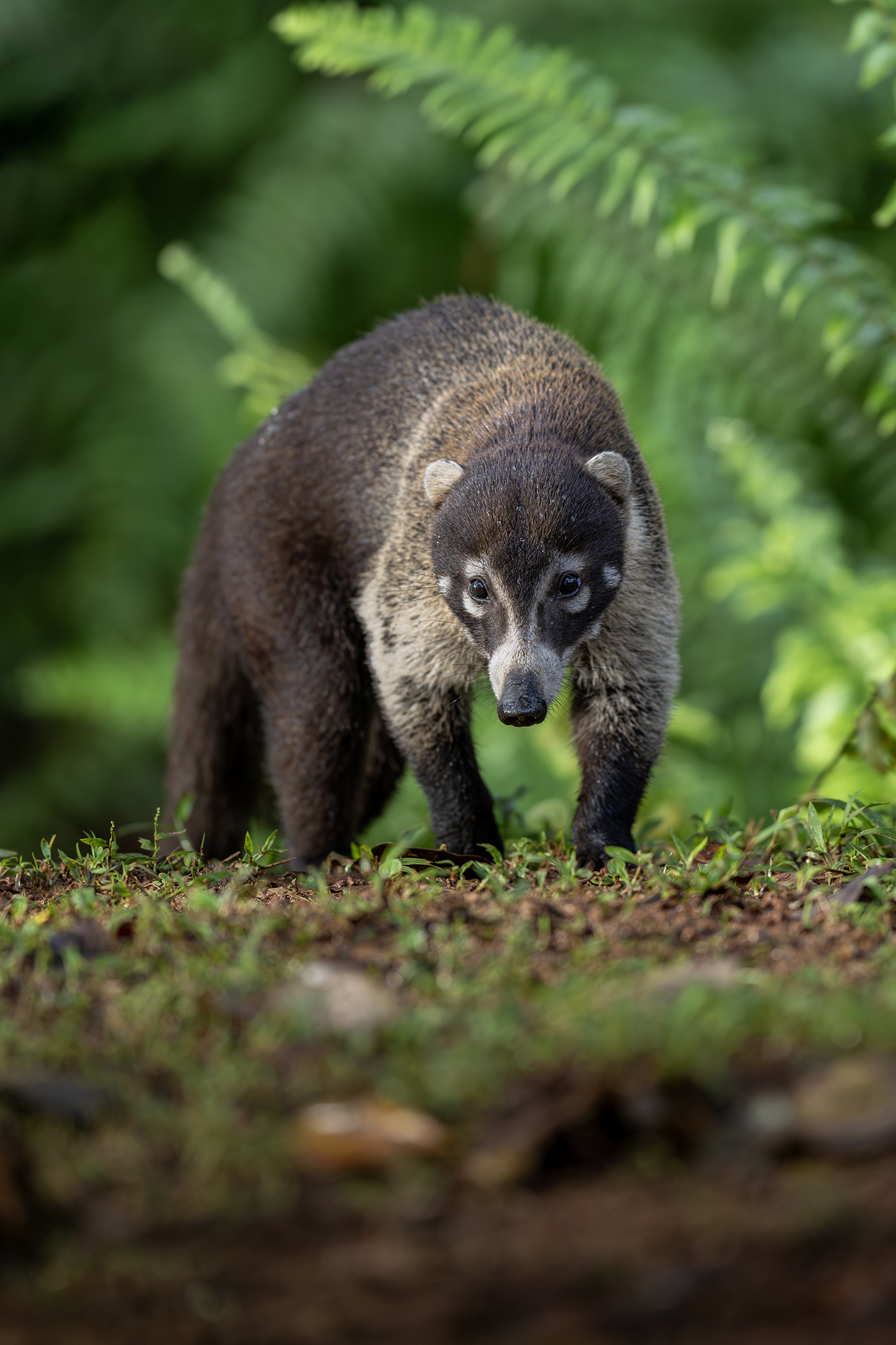
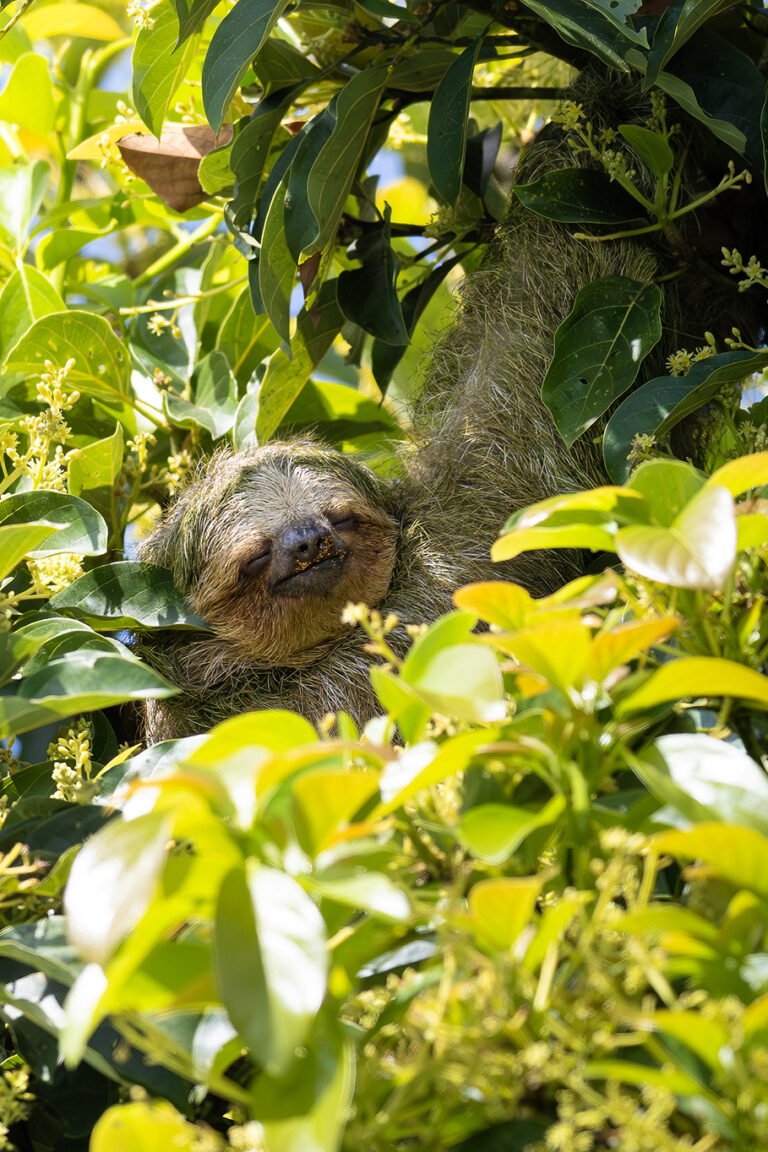
The following two days will be dedicated to visiting several special locations in the Guápiles region, on Costa Rica’s Caribbean slope, an area renowned for its lush lowland rainforest and extraordinary biodiversity. One of the key highlights will be a visit to Pierella Ecological Garden, a private reserve and ecological project that protects tropical rainforest while promoting sustainable conservation practices.Pierella Ecological Garden is particularly well known among wildlife photographers for the diversity of species that can be observed in a relatively compact area. Along its forest trails and gardens, we will have excellent opportunities to photograph sloths, hummingbirds at feeders, kingfishers, and woodpeckers, as well as amphibians such as red-eyed tree frogs, different species of snakes, and the unique white tent bats. The area is also very reliable for photographing toucans and other tropical birds at close range, always under ethical and controlled conditions.
These will be intensive and highly productive days from a photographic point of view, combining close wildlife encounters with varied lighting conditions and backgrounds typical of the Caribbean rainforest. In addition to wildlife photography, we will also experience firsthand the complete cacao production process, from the cultivation of cacao trees to the traditional methods of processing and chocolate making, adding a cultural and educational dimension to the journey.
This combination of biodiversity, ethical wildlife observation, and local knowledge makes the Guápiles region and Pierella Ecological Garden an essential part of the expedition.
-
6
![Rana roja y azul sobre hoja verde en posición vertical, fondo negro oscuro]()
King Vulture & Snakes
King Vulture & Snakes Over the next two days we will immerse ourselves in the rich natural environment of Boca Tapada, in northern Costa Rica near the Maquenque Wildlife Refuge and the San Carlos River basin. This region is…
Read the full day
King Vulture & Snakes
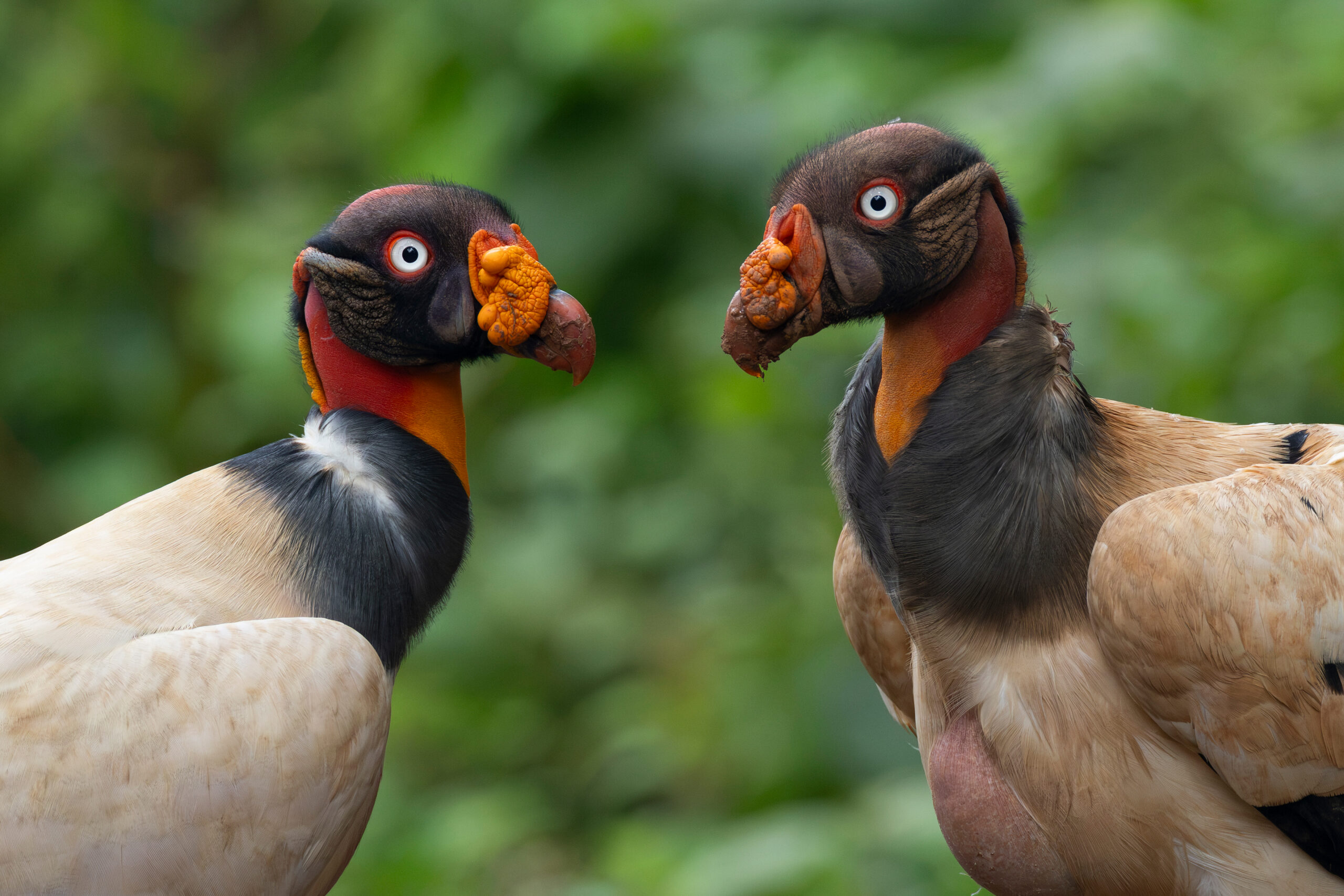
Over the next two days we will immerse ourselves in the rich natural environment of Boca Tapada, in northern Costa Rica near the Maquenque Wildlife Refuge and the San Carlos River basin. This region is renowned among birdwatchers and wildlife photographers for its incredibly diverse ecosystems — including lowland tropical rainforest, wetlands, lagoons, and rivers — and supports over 400 bird species and a wide range of other fauna.
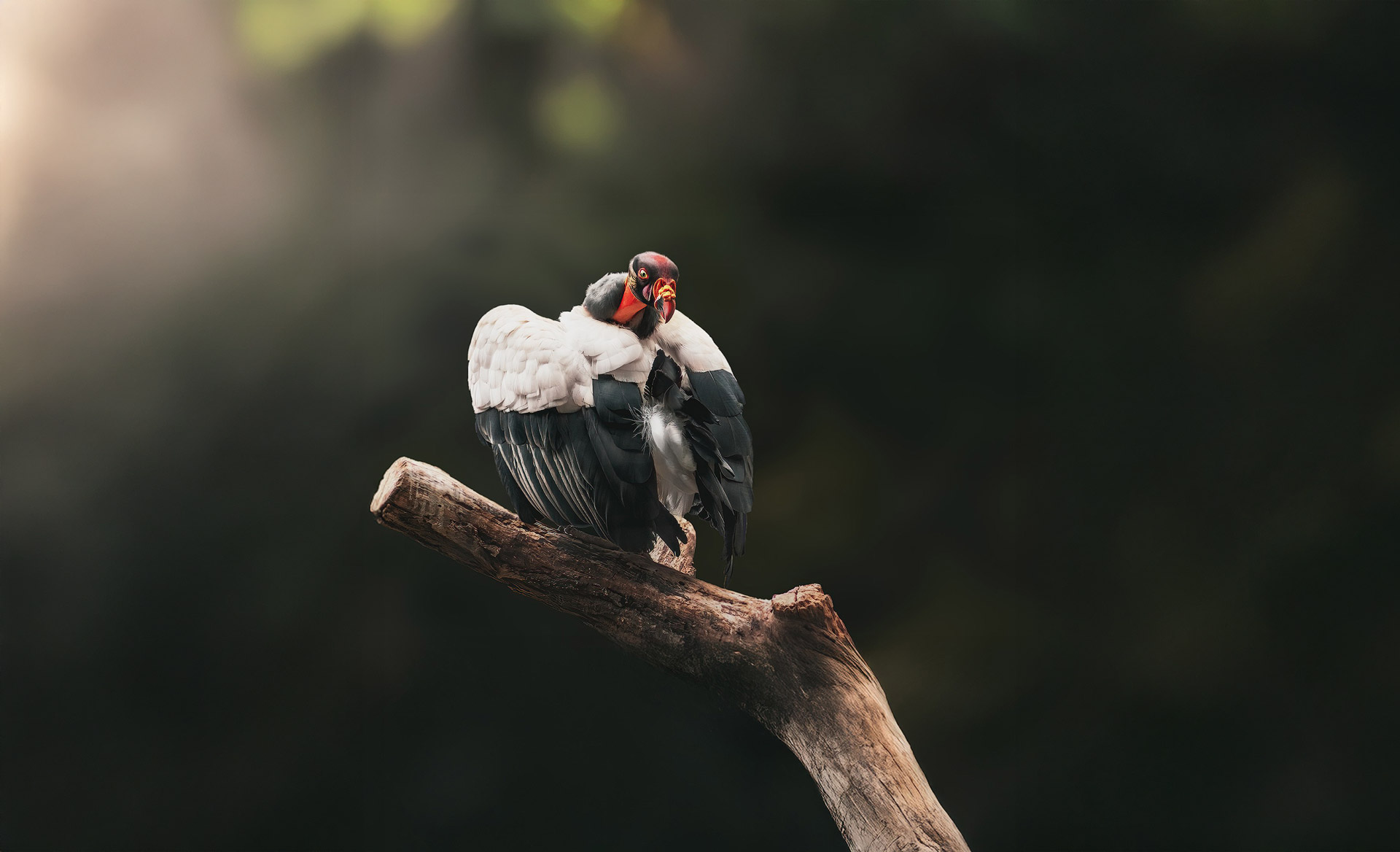
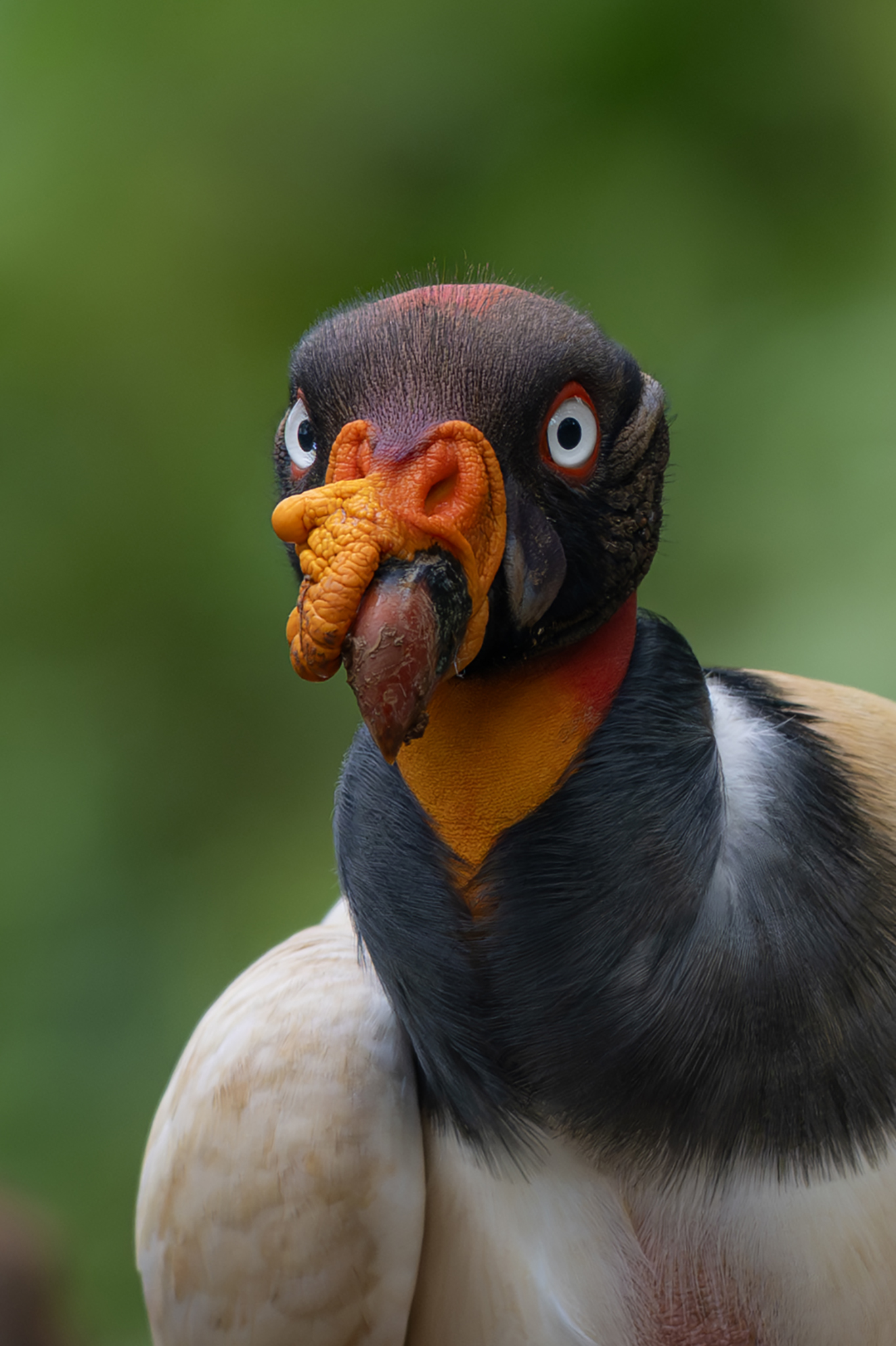
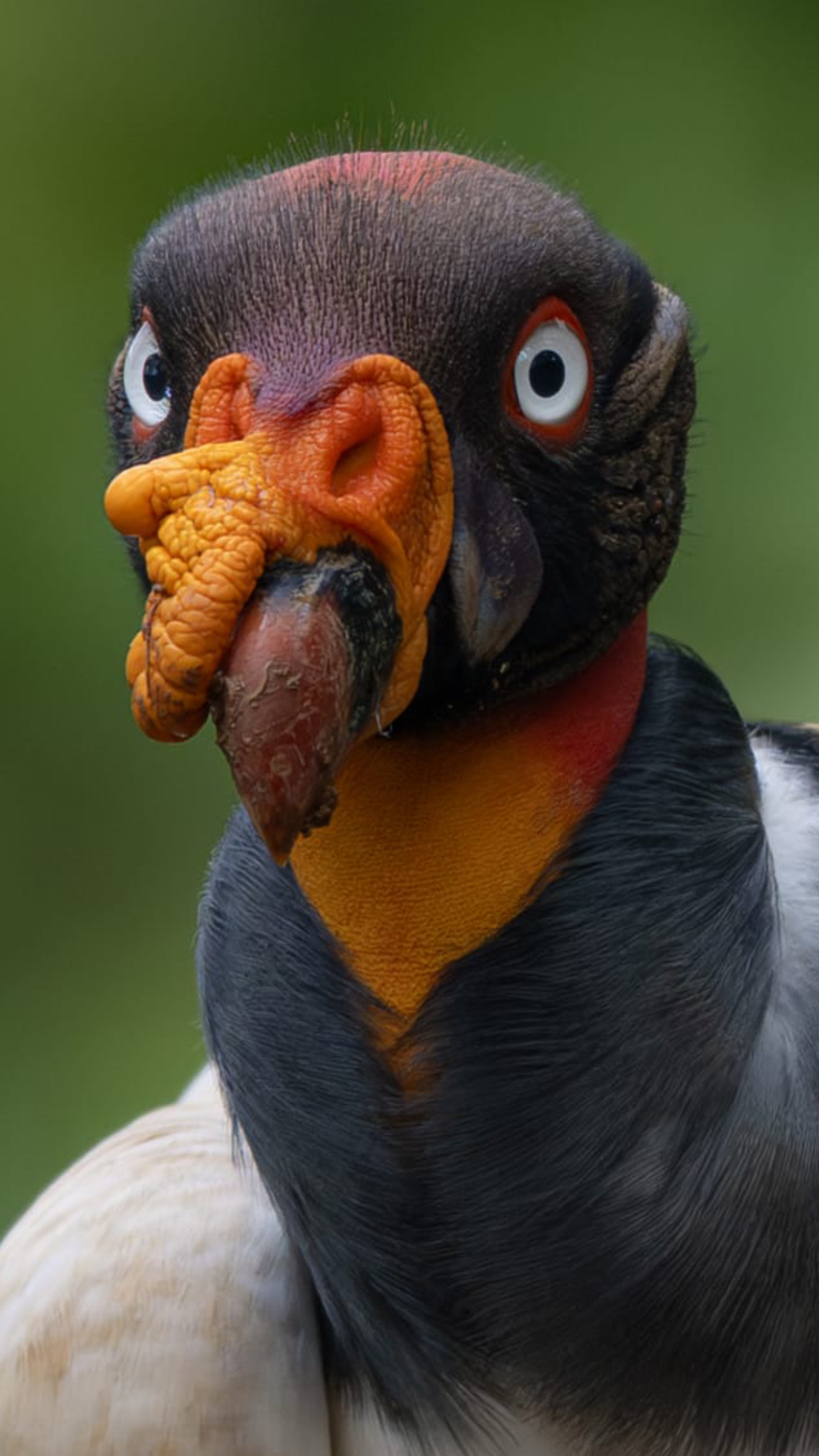
One of our highlights will be the King Vulture (Sarcoramphus papa), a magnificent and highly sought-after species in the area. Locally considered one of the best places in Costa Rica to observe this large vulture, Boca Tapada offers reliable opportunities to photograph the King Vulture both perched and in flight among the forest canopy and along river corridors.
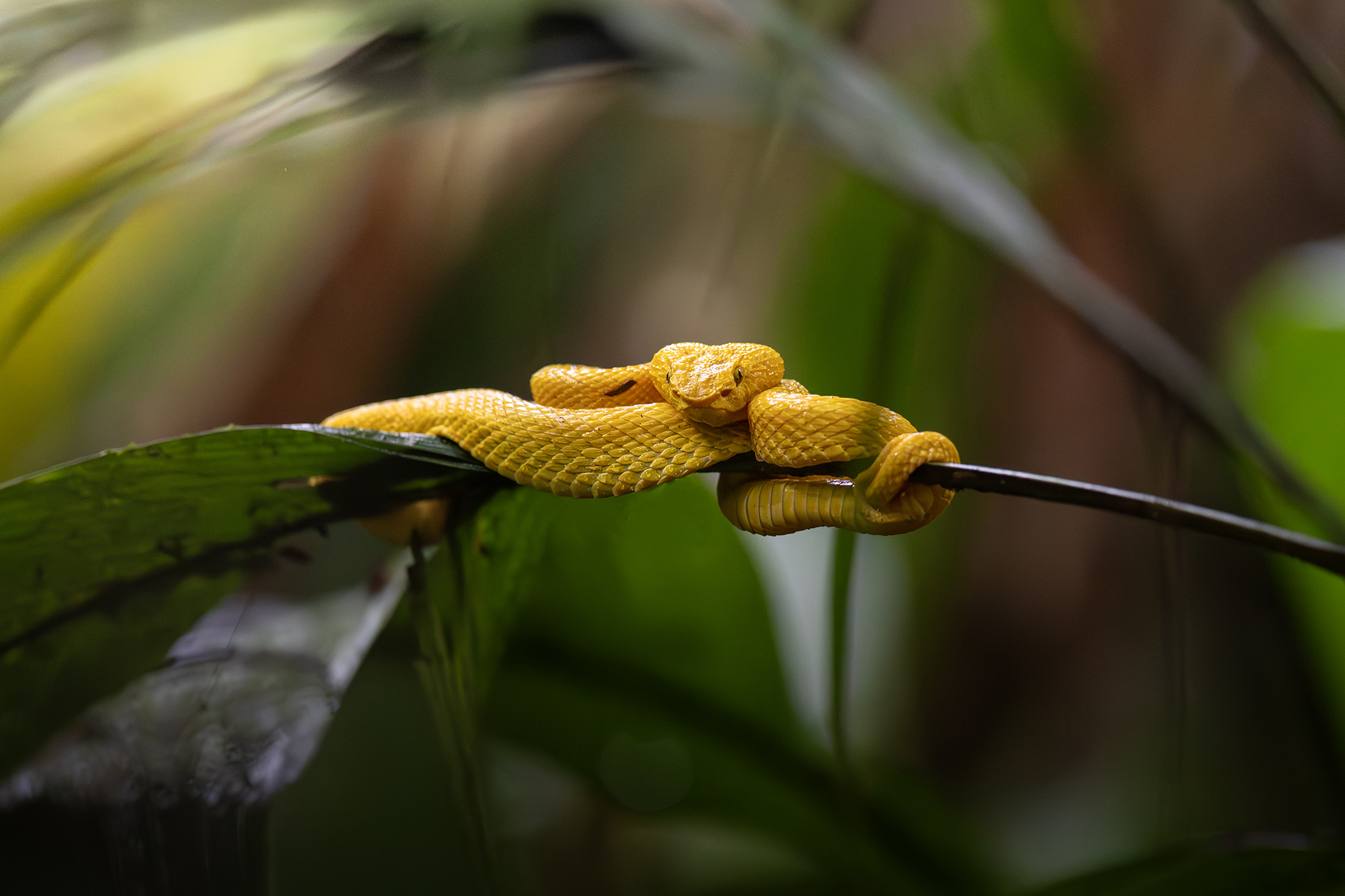
In addition to birds, the region hosts a remarkable diversity of reptiles and amphibians. Among them is the eyelash pit viper (Bothriechis schlegelii), known locally as bocaracá, oropel, or toboba de pestañas. This venomous arboreal snake occurs in the humid forests of Costa Rica and is famous for its variable color patterns — from green and brown to bright yellow (the “oropel” pattern). Its distinct supraocular scales give it a characteristic “eyelash” appearance.
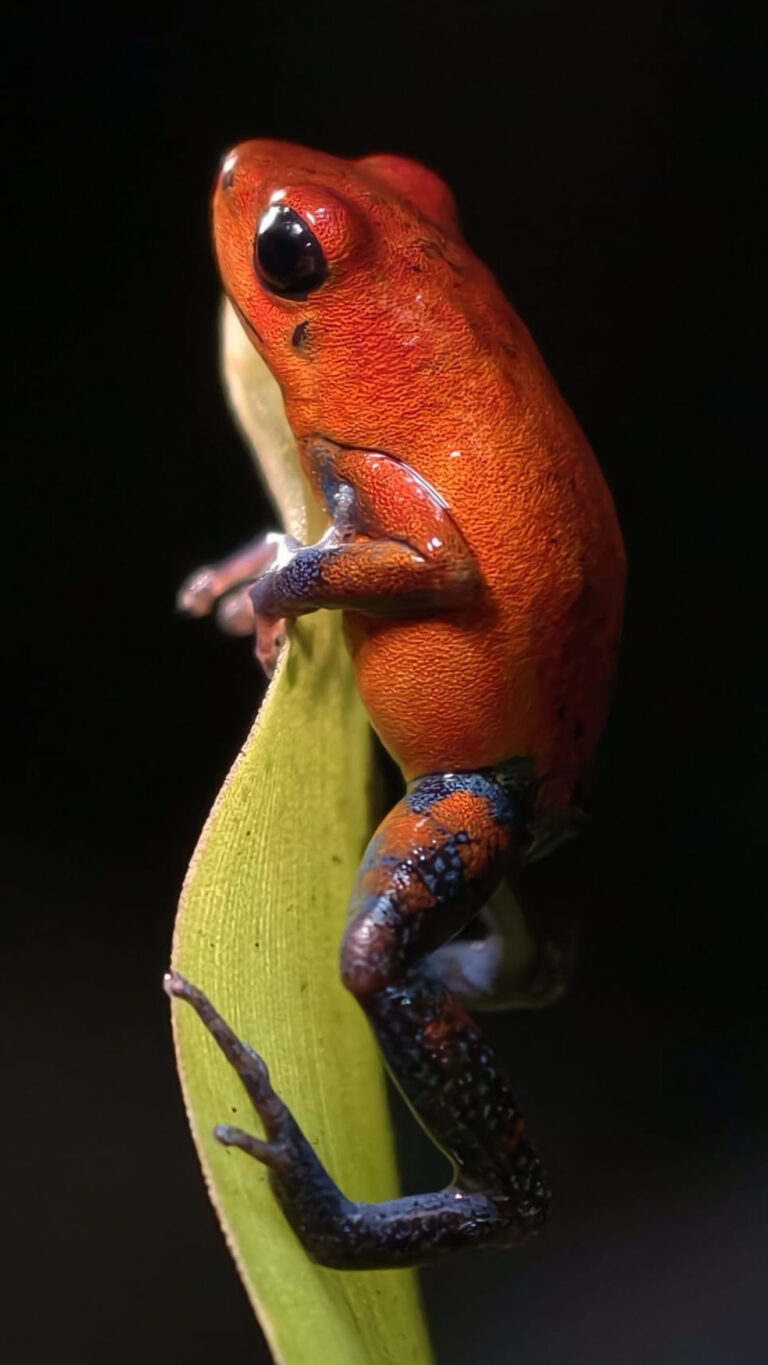
We will also photograph other reptiles and amphibians in controlled and ethically managed environments, giving you the chance to document frogs, snakes, and nocturnal species like white tent bats without disturbing their natural behavior. Throughout these sessions, we will emphasize ethical wildlife photography practices, ensuring minimal impact on the animals and their habitats.
Featured Birds: King Vulture, tanagers, euphonias, oropendolas, and violet-colored hummingbirds.
Photographic Subjects: vultures in flight and perched, rainforest herpetofauna, and hummingbirds at feeding sites.
-
7
![]()
Tárcoles River
Tárcoles River We change climate and scenery as we head to the Pacific slope, a noticeably drier and more open region that contrasts strongly with the humid forests of the Caribbean and northern Costa Rica. Our destination will…
Read the full day
Tárcoles River
We change climate and scenery as we head to the Pacific slope, a noticeably drier and more open region that contrasts strongly with the humid forests of the Caribbean and northern Costa Rica. Our destination will be the Tárcoles River, one of the country’s most renowned locations for observing large reptiles and aquatic birdlife.
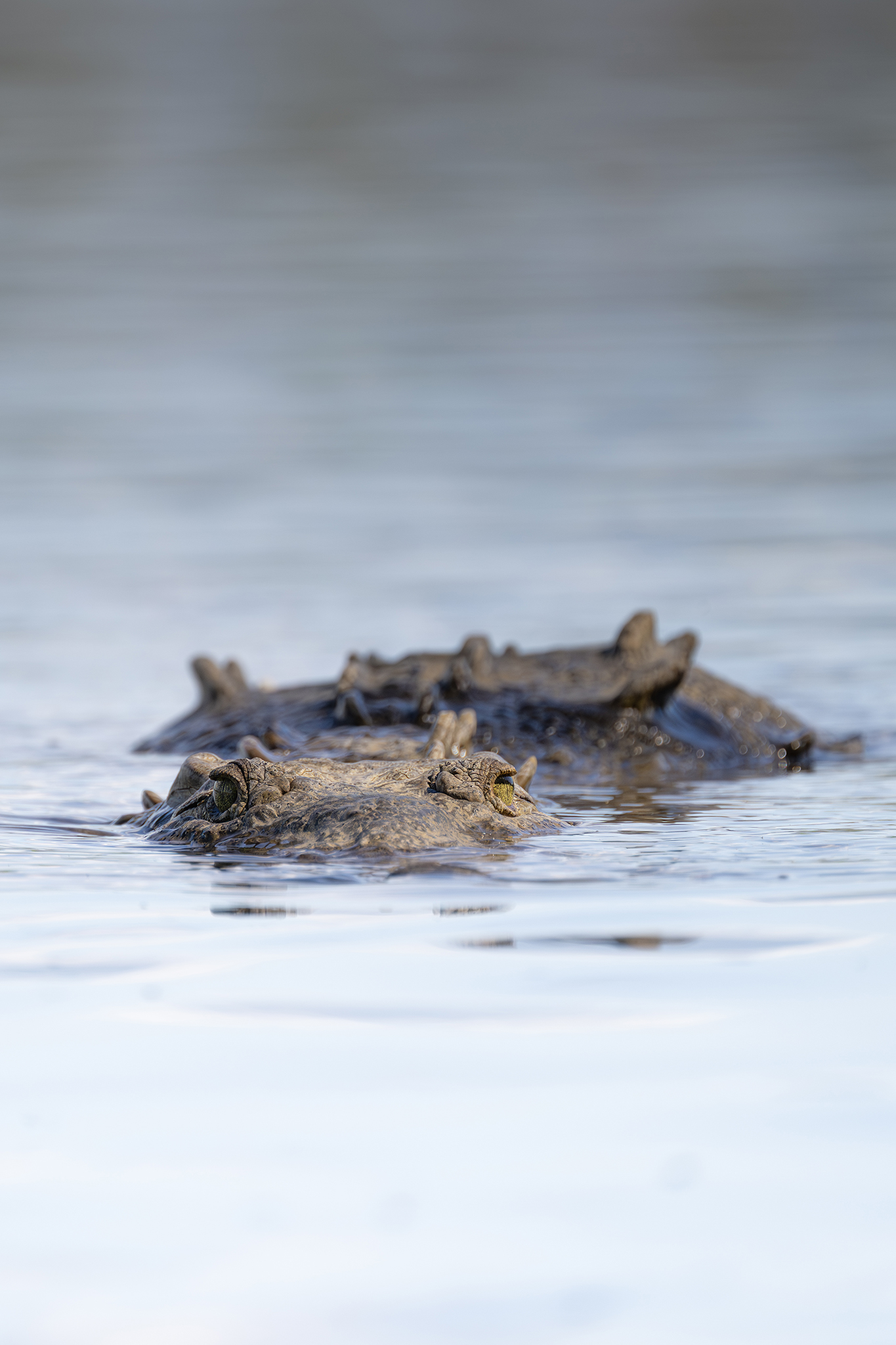
We will take a boat trip along the Tárcoles River, an estuarine ecosystem where mangroves, open riverbanks, and transitional zones between fresh and salt water converge. This environment supports one of the highest concentrations of American crocodiles (Crocodylus acutus) in Costa Rica, including very large individuals. These can be photographed at close range, either resting along the riverbanks or moving through the water.
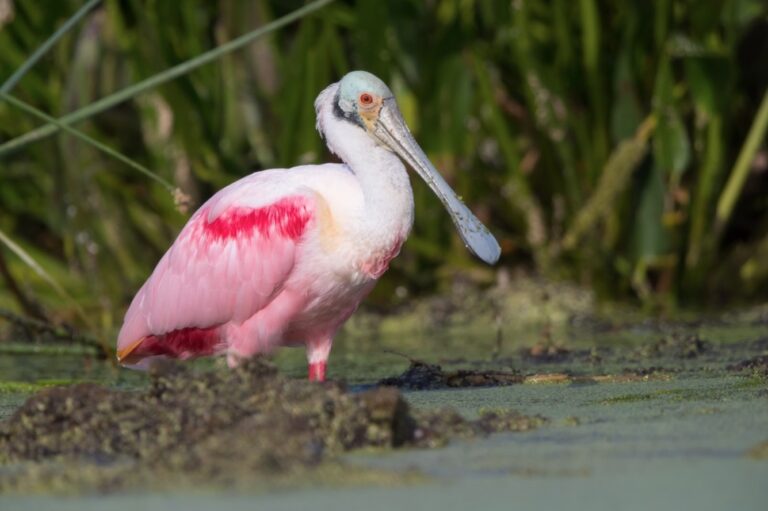
In addition to crocodiles, the Tárcoles River is an excellent location for Pacific lowland bird photography, offering strong opportunities to work with species such as pelicans, ospreys, roseate spoonbills, herons, ibis, and other birds closely associated with aquatic and coastal habitats. Photographing from the boat allows for low shooting angles and clean backgrounds, ideal for both action shots and environmental portraits.
The light in this region—stronger and more direct than in other parts of the country—creates a very different photographic atmosphere, with reflections on the water, open skies, and frequent feeding and hunting behavior. This day represents a clear shift in rhythm and visual style, adding ecological and photographic diversity to the expedition.
Featured birds: brown pelican, osprey, roseate spoonbill, herons, and ibis.
Photographic subjects: large crocodiles, aquatic birds in flight, and wildlife scenes in Pacific estuarine and river ecosystems.
-
8
![Grupo de siete fotógrafos y guías de expedición en la selva tropical con equipos de fotografía profesional]()
Morning walk through the national park
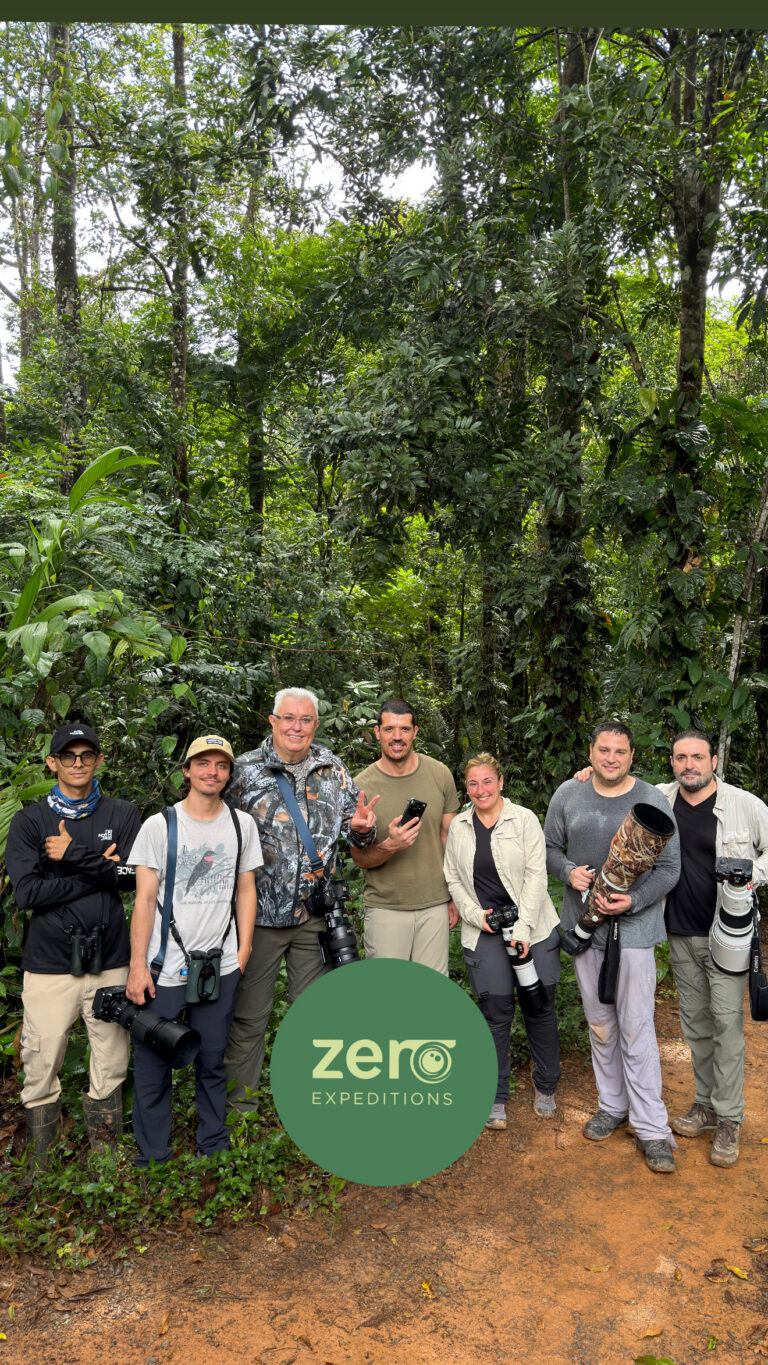
Morning Walk & Return. There is the possibility of taking a morning walk before heading to the airport on our final day in Costa Rica. This will be a last opportunity to enjoy the surroundings, capture a few final photographs…
Read the full day
Morning Walk & Return.
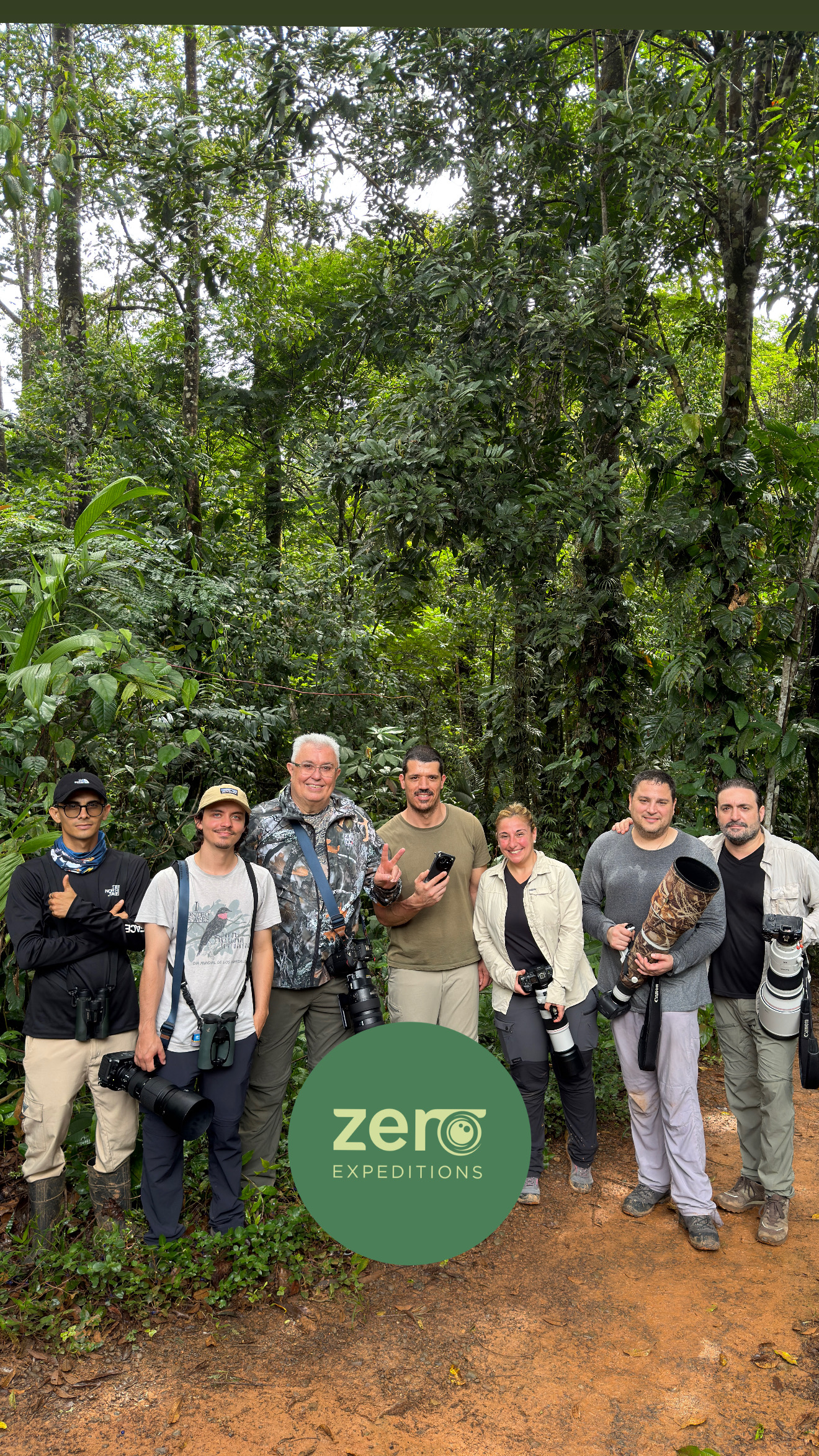
There is the possibility of taking a morning walk before heading to the airport on our final day in Costa Rica. This will be a last opportunity to enjoy the surroundings, capture a few final photographs, and bring the experience to a relaxed close. Afterwards, we will transfer back to the airport to begin the journey home, with memory cards full of images and unforgettable experiences.
Gallery
What's included
Included
- Accomodation
- Specialized photo guide
- Private ground transport between destinations
Not included
- International flights
- Meals & drinks (unless specified)
- Personal photography gear
- Personal expenses
Your guide

Néstor Rodan
Néstor Rodan is a landscape photographer and photographic travel guide from León, Spain. With deep expertise in the landscapes of northwest Iberia and a passion for extreme, cold-climate destinations like Baikal, Greenland, and Lofoten, he combines storytelling and technical mastery—including drone photography—as a Canon ambassador. Recognized internationally, he leads transformative real-world photography experiences.
View profileSee their 7 trips
-
![]() Algarve, Portugal, February 2027
Feb 9-14, 2027 · 7 seats free
Algarve, Portugal, February 2027
Feb 9-14, 2027 · 7 seats free
-
![]() Vietnam and Cambodia · September 2027
Aug 29 - Sep 14, 2027 · 3 seats free
Vietnam and Cambodia · September 2027
Aug 29 - Sep 14, 2027 · 3 seats free
-
![]() Aveiro - Portugal · January 2027
Jan 21-24, 2027 · 5 seats free
Aveiro - Portugal · January 2027
Jan 21-24, 2027 · 5 seats free
-
![]() Ethiopia · December 2026
Dec 4-11, 2026 · 1 seats free
Ethiopia · December 2026
Dec 4-11, 2026 · 1 seats free
-
![]() Patagonian Autumn 2027
Mar 16-31, 2027 · 8 seats free
Patagonian Autumn 2027
Mar 16-31, 2027 · 8 seats free
-
![]() RioTinto Mining · May 2027
May 7-9, 2027 · 8 seats free
RioTinto Mining · May 2027
May 7-9, 2027 · 8 seats free
-
![]() Whales of Baja California Sur
Mar 3-10, 2027 · 3 seats free
Whales of Baja California Sur
Mar 3-10, 2027 · 3 seats free
Frequently asked questions
Is it necessary to carry local currency?
The local currency is the Costa Rican colón, and yes, it is advisable to exchange money locally for small expenses such as water or snacks during transfers. The other widely used currency throughout the country is the US dollar.
Do I need a visa to travel to Costa Rica?
Citizens of Spain and most European countries do not need a visa for tourist stays of up to 90 days. A valid passport and proof of onward or return travel are required.
Is it a safe country to travel to?
Costa Rica is one of the safest countries in Central America. As with any destination, basic precautions are recommended with photographic equipment and personal belongings.
Is photography done from hides or in the wild?
Most of the work is done in the wild, along trails, private reserves, and natural areas. In specific locations, photography may be done from observation platforms or controlled feeding stations, always following ethical criteria.
How does humidity affect photographic equipment?
Humidity is constant and high. Equipment often cools down and warms up several times a day. Clear guidelines are provided to prevent condensation, fungus, and electronic failures.
Another question? Ask the assistant or write to us on WhatsApp.