
Switzerland · May 2027
Expeditions · Europe
Switzerland · May 2027
Swiss Alps through the lens
At a glance
About the expedition
The best spring in continental Europe!
- Ideal Season: Spring thaw increases waterfall volumes, fills lakes, and creates lush landscapes perfect for vivid images.
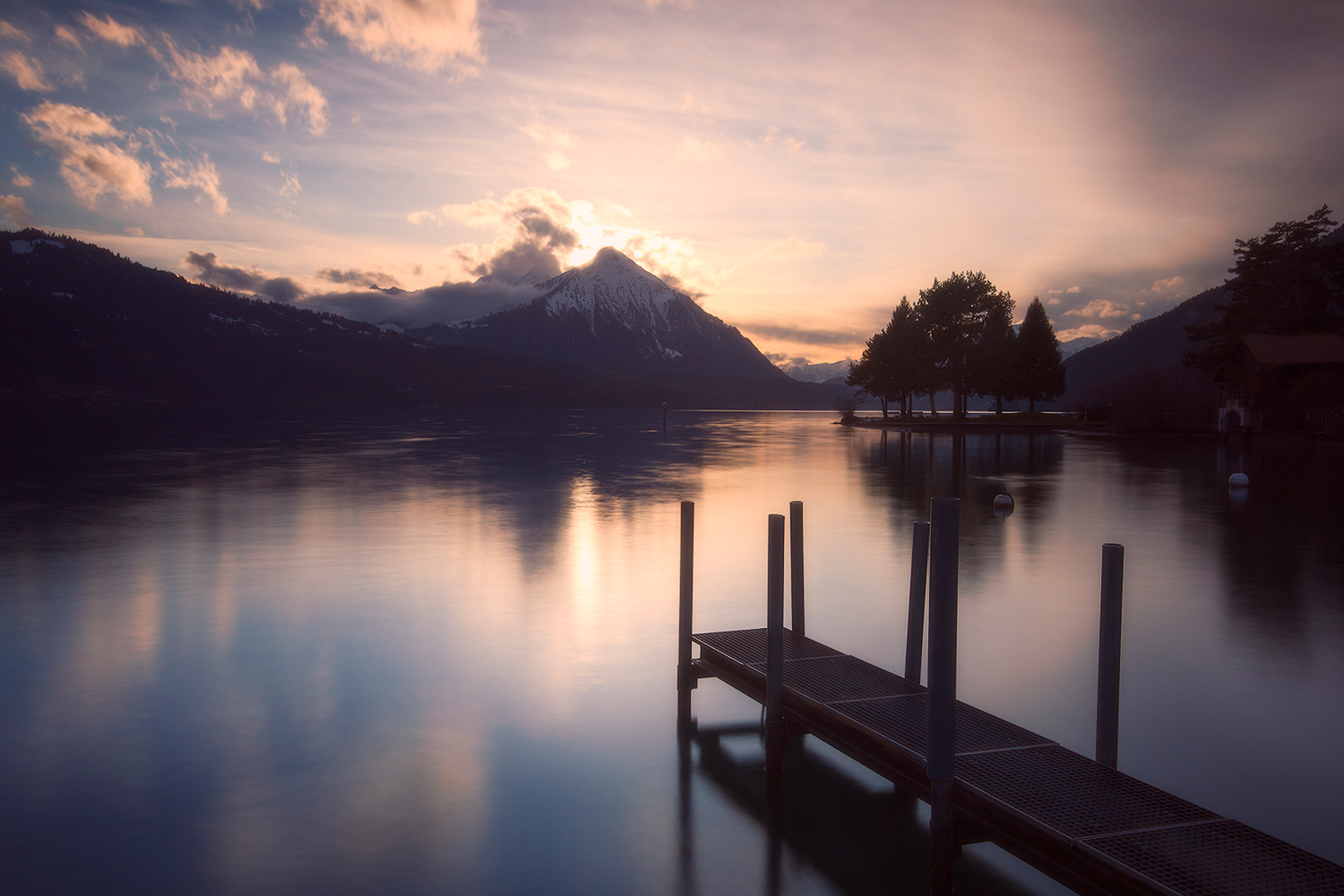
- Perfect Light: Alpine sunrises and sunsets offer soft lighting, pastel tones, and golden hues, ideal for landscapes and long exposures.
- Fewer Tourists: Uncrowded locations provide tranquility and flexibility to achieve the perfect shot.
- Visual Contrasts: Areas still snowy alongside flowering meadows, excellent for varied textures, color, and contrast photography.
Itinerary
Day by day
-
1
![]()
Arrival
Arrival in Geneva – Valais Arrival at Geneva Airport and private transfer to our accommodation in the Valais region, one of the most visually diverse areas of Switzerland. From here, we enjoy expansive views over terraced…
Read the full day
Arrival in Geneva – Valais
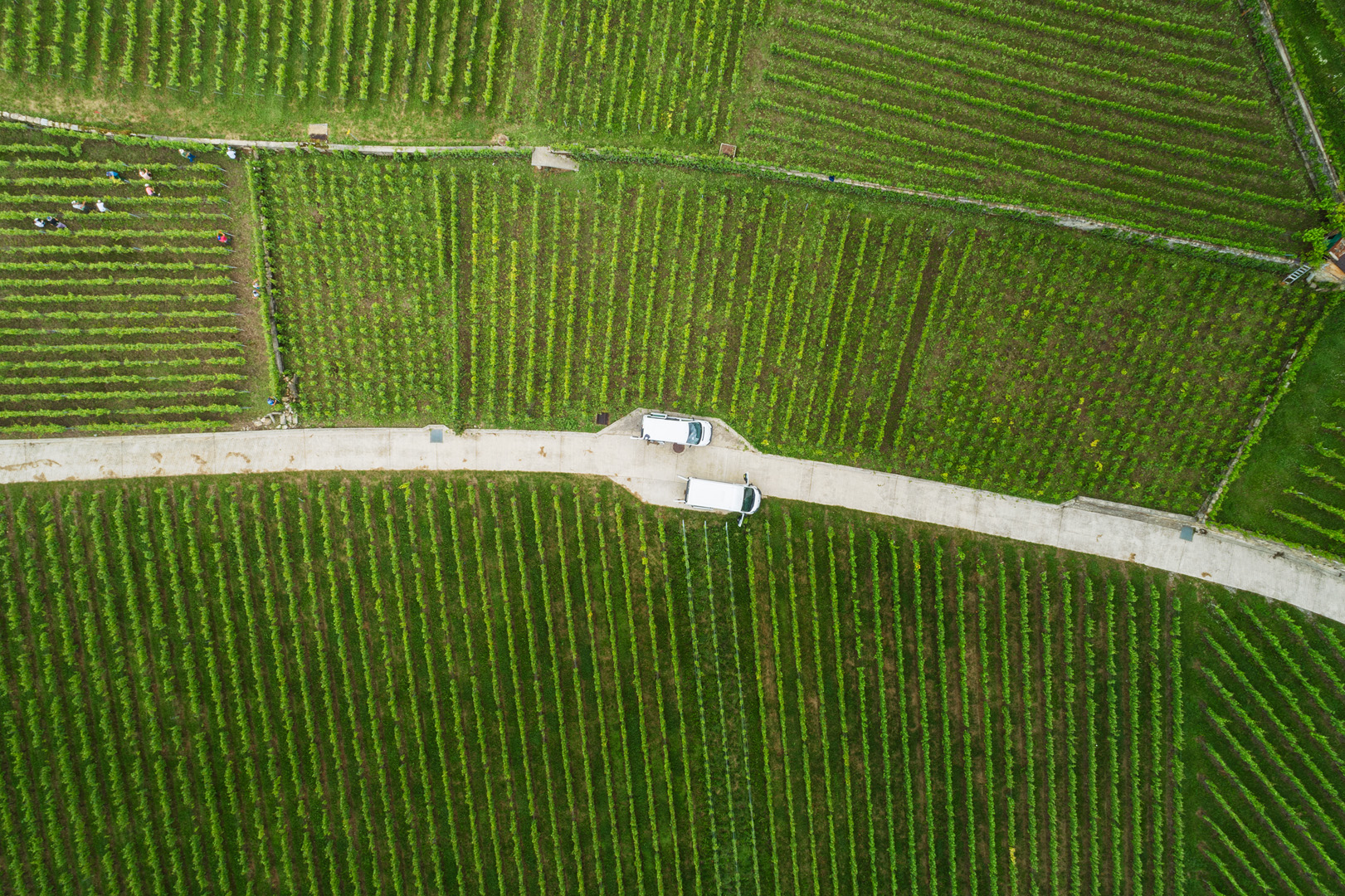
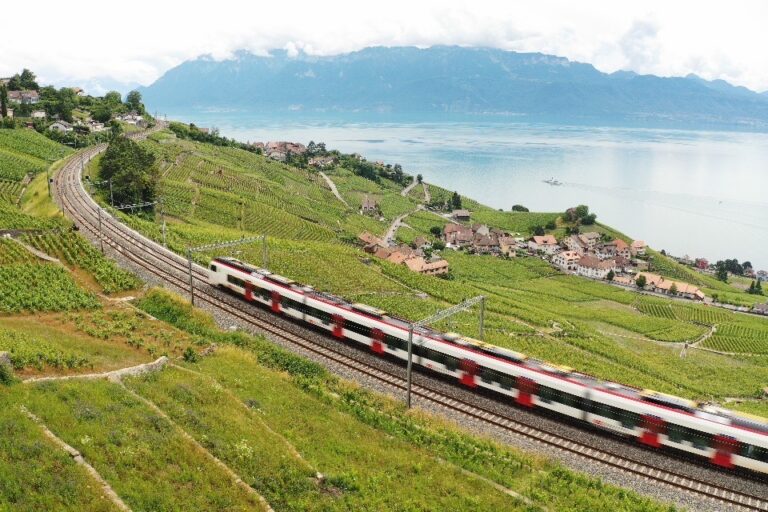
Arrival at Geneva Airport and private transfer to our accommodation in the Valais region, one of the most visually diverse areas of Switzerland. From here, we enjoy expansive views over terraced vineyards descending toward Lake Geneva, with the Savoy Alps rising on the opposite shore, creating a striking combination of mountains, water, and cultivated landscape.
Lake Geneva, one of the largest lakes in Western Europe, has historically been a key route for trade and communication between Switzerland and France. For centuries, its shores have been shaped by vineyards, villages, and castles, blending natural beauty with cultural heritage and making it an exceptional setting for alpine and landscape photography.
-
2
![]()
Lake Geneva, Montreux, Château de Chillon, Villeneuve
Lake Geneva, Montreux, Château de Chillon, Villeneuve Sunrise at Lake Geneva offers soft light and mirror-like reflections, ideal for long-exposure photography. Montreux blends urban scenes with mountainous backdrops, creating…
Read the full day
Lake Geneva, Montreux, Château de Chillon, Villeneuve
Sunrise at Lake Geneva offers soft light and mirror-like reflections, ideal for long-exposure photography. Montreux blends urban scenes with mountainous backdrops, creating excellent opportunities for European-style street photography. The medieval architecture of Château de Chillon, set along the lakeshore, allows for dramatic compositions and artistic reflections. At sunset, Villeneuve provides gentle, golden atmospheres to conclude the day. -
3
![]()
Bettmergrat – Aletsch Glacier
Bettmergrat – Aletsch Glacier An early cable car ascent to Bettmergrat places us in front of one of the most impressive views in the Alps: the Aletsch Glacier, illuminated by the first light of day. Stretching over 23 kilometers…
Read the full day
Bettmergrat – Aletsch Glacier
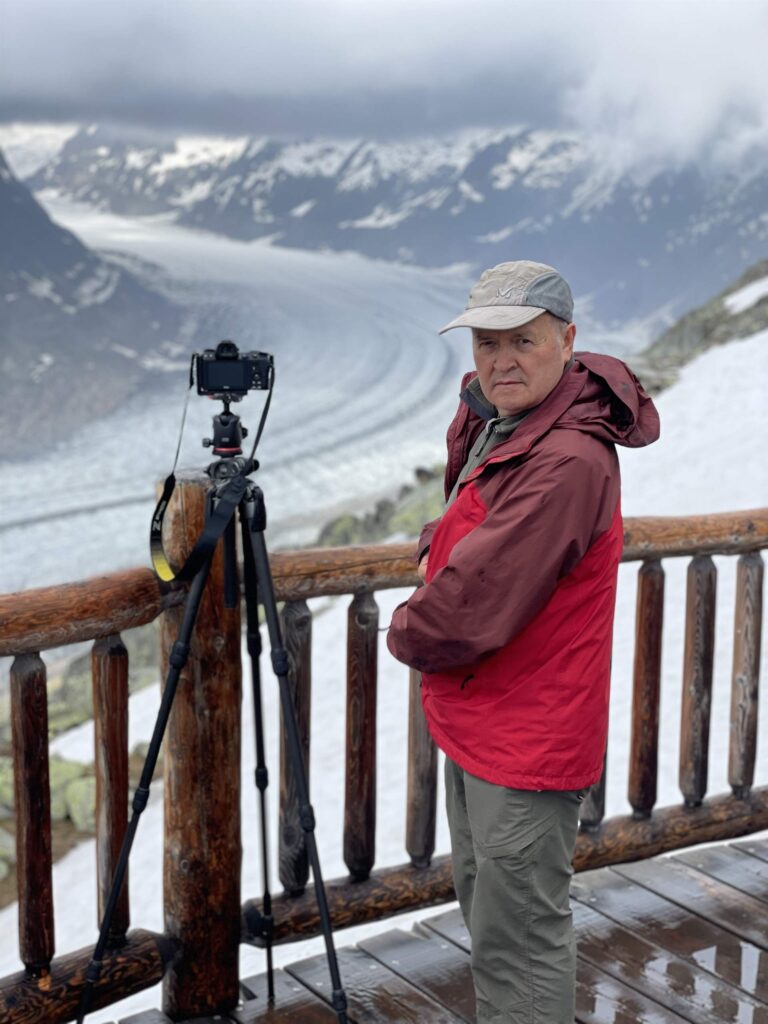
An early cable car ascent to Bettmergrat places us in front of one of the most impressive views in the Alps: the Aletsch Glacier, illuminated by the first light of day. Stretching over 23 kilometers, it is the largest glacier in the Alps and a UNESCO World Heritage Site, recognized for both its scenic value and its scientific and environmental importance.
From this privileged viewpoint, the glacier reveals an extraordinary range of ice textures, crevasses, moraines, and sweeping natural curves that contrast with the surrounding rock walls. The low, grazing morning light enhances relief and delivers a powerful sense of depth and scale, ideal for alpine landscape photography.
The entire day is devoted to exploring different photographic approaches, combining wide panoramas that convey the glacier’s vastness with tighter compositions focused on details, patterns, and ice textures. A unique setting for high-mountain photography, where nature, geology, and light come together in one of Europe’s most iconic landscapes.
-
4
![Valle de Lauterbrunnen con Staubbachfall, paisaje alpino suizo fotografiado durante un viaje de Zero Expeditions]()
Interlaken – Lakes Thun and Brienz, Wengen and Lauterbrunnen
Interlaken – Lakes Thun and Brienz, Wengen and Lauterbrunnen Sunrise photography at Lake Thun or Lake Brienz, capturing morning mist and crystal-clear reflections on the water. The cable car ascent to Wengen allows us to work…
Read the full day
Interlaken – Lakes Thun and Brienz, Wengen and Lauterbrunnen
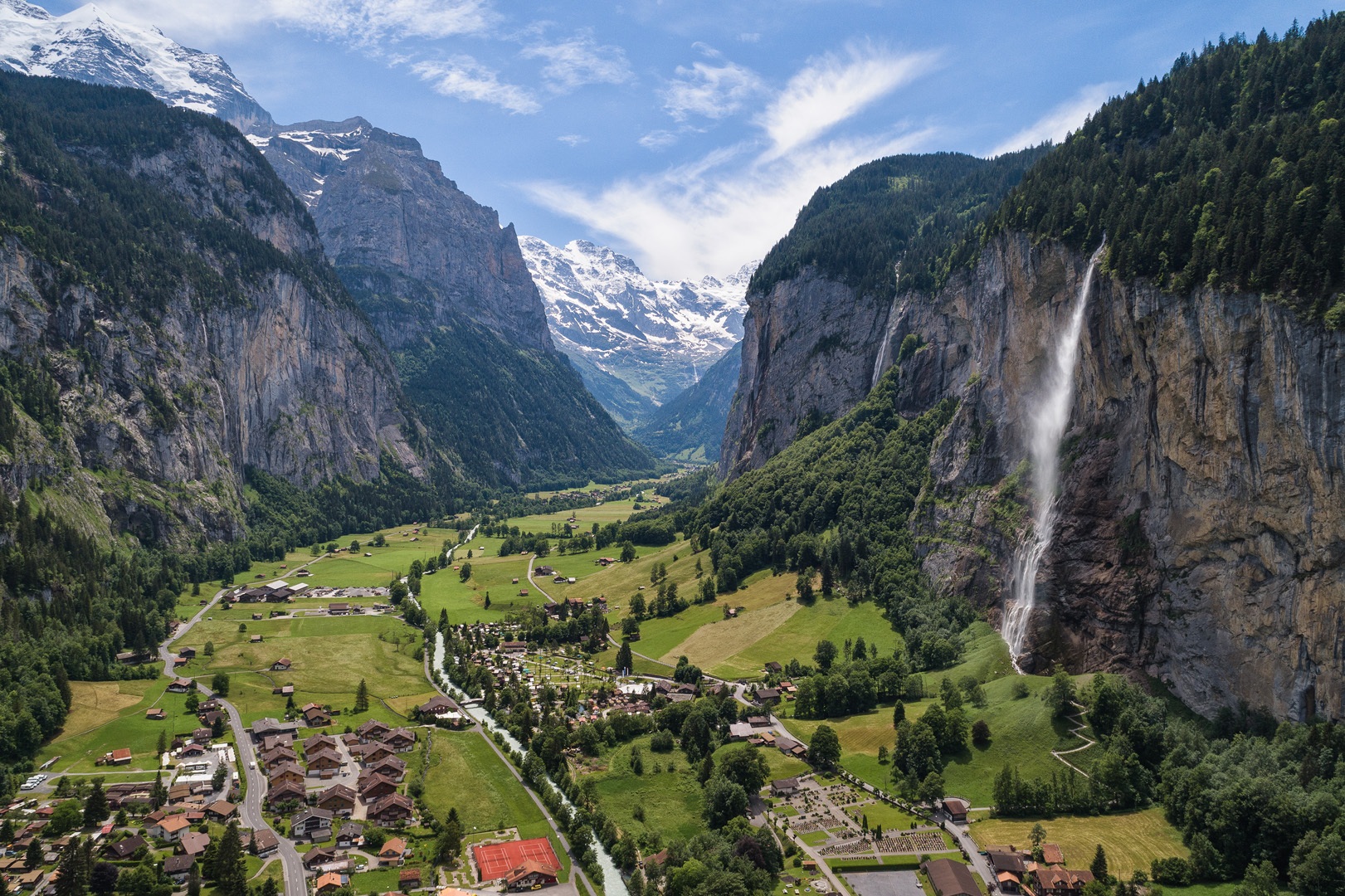
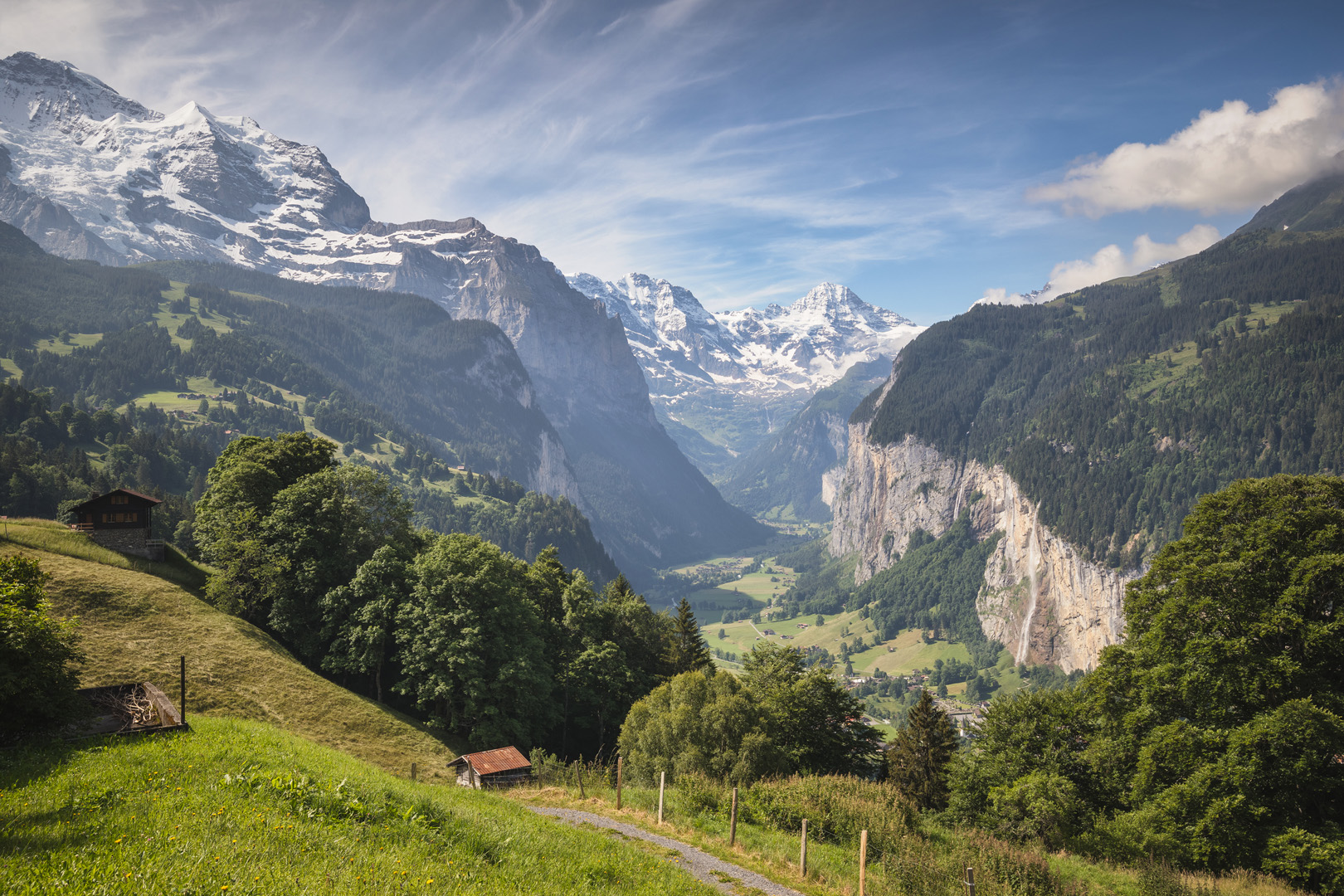
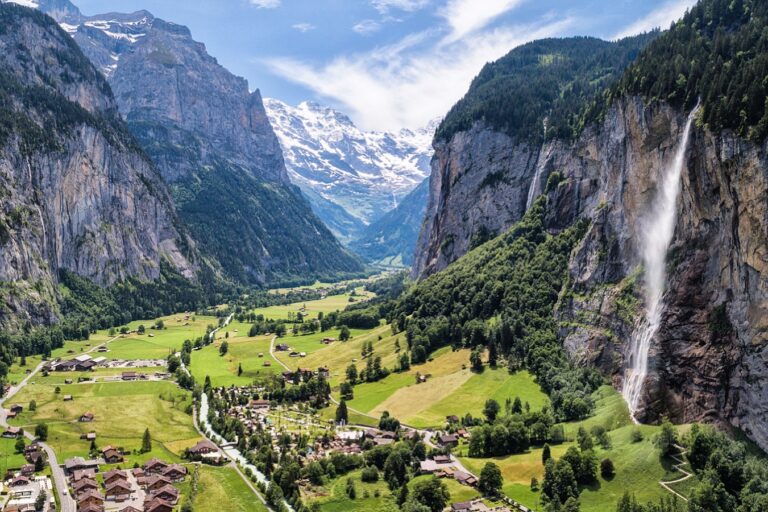
Sunrise photography at Lake Thun or Lake Brienz, capturing morning mist and crystal-clear reflections on the water. The cable car ascent to Wengen allows us to work with the grandeur of the Lauterbrunnen Valley, renowned for its sheer vertical walls and more than 70 waterfalls, which in spring reach peak flow—perfect for silky water effects using ND filters.
Lauterbrunnen is framed by some of the most iconic peaks of the Bernese Oberland — Eiger, Mönch, and Jungfrau — and features one of the most impressive networks of mountain trains and cable cars in Europe, providing easy access to key viewpoints without long hikes. A well-known curiosity: the valley is said to have inspired J. R. R. Tolkien in shaping some of the landscapes of Middle-earth.
At sunset, the alpine forests are bathed in warm, filtered light, ideal for intimate compositions of nature, textures, and details of the alpine environment.
One of the most enjoyable and visually rewarding days of the Swiss journey.
-
5
![Vista aérea del Jungfraujoch Top of Europe con el mirador y el glaciar Aletsch al fondo, Alpes suizos fotografiados durante un viaje de Zero Expeditions]()
Jungfrau-Jungfraujoch – Kleine Scheidegg
Jungfrau-Jungfraujoch – Kleine Scheidegg On this day, we ascend to Jungfraujoch, known as the Top of Europe, one of the most iconic and spectacular locations in the Alps. The ascent is made aboard the historic Jungfrau Railway, a…
Read the full day
Jungfrau-Jungfraujoch – Kleine Scheidegg
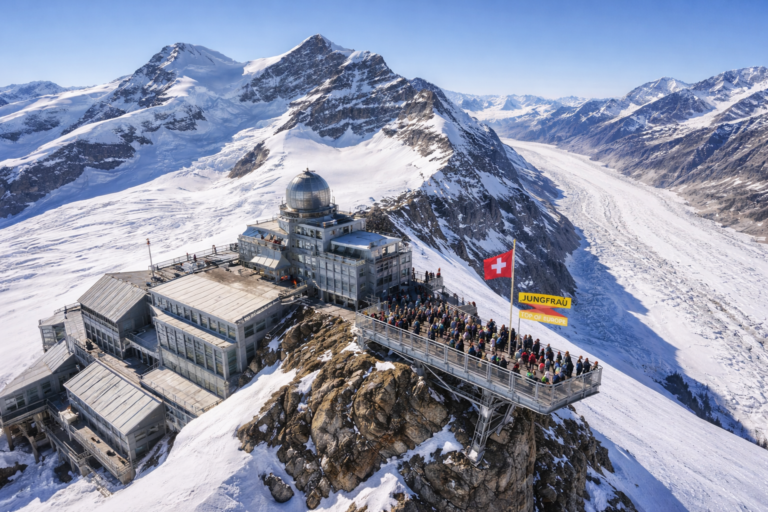
On this day, we ascend to Jungfraujoch, known as the Top of Europe, one of the most iconic and spectacular locations in the Alps. The ascent is made aboard the historic Jungfrau Railway, a remarkable feat of engineering that carries us up to 3,454 meters above sea level, traveling through tunnels carved directly into the mountain and offering increasingly dramatic alpine views as we gain altitude.
Once at the top, we spend the entire day photographing the area, working at a relaxed pace across the main viewpoints and key locations. From here, expansive panoramas open up over the Aletsch Glacier, the largest glacier in the Alps, as well as the legendary peaks of the Bernese Oberland: Eiger, Mönch, and Jungfrau. The altitude, vast scale, and constant presence of ice and snow make this a unique setting for high-mountain photography.
Throughout the day, we explore a variety of photographic approaches, from wide panoramas that convey the immensity of the landscape to more intimate compositions focused on ice textures, glacier lines, and the contrast between rock, snow, and sky. The changing light at this elevation allows for diverse scenes, culminating in the warm tones of sunset, when shadows and relief on the great alpine faces become especially striking.
An intense and rewarding day, designed to fully experience and photograph one of Europe’s most iconic alpine landscapes, without rush and with maximum photographic potential.
-
6
![]()
Gruyères Castle and Village
Gruyères Castle and Village The visit to Gruyères will be a photographic and cultural experience in one of the best-preserved medieval villages in Switzerland. We will explore the historic center on foot — free of vehicle traffic…
Read the full day
Gruyères Castle and Village
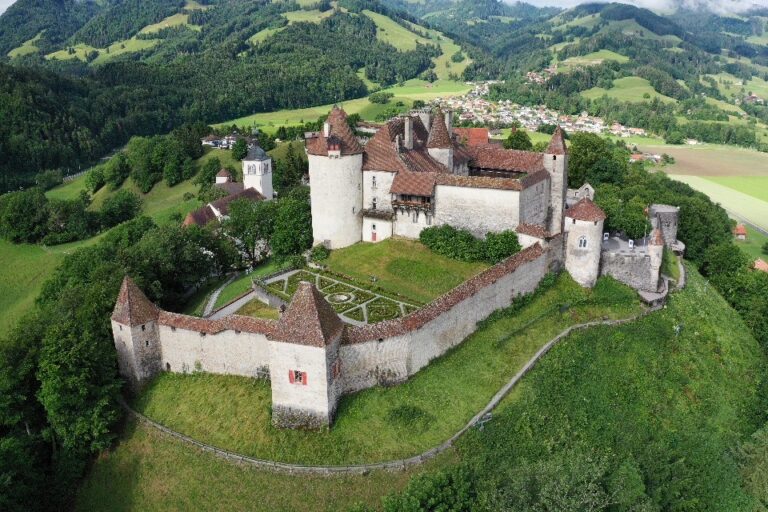
The visit to Gruyères will be a photographic and cultural experience in one of the best-preserved medieval villages in Switzerland. We will explore the historic center on foot — free of vehicle traffic — walking through its cobbled streets, traditional façades, and corners that still retain a strong medieval atmosphere. The village’s elevated position above the Sarine valley offers multiple natural compositions where architecture, history, and alpine scenery blend seamlessly.
We will focus on architectural and detail photography at the Gruyères Castle, originally built in the 13th century and once the residence of the Counts of Gruyères. Its fortified walls, towers, inner courtyards, and gardens provide excellent opportunities to work with lines, textures, and perspective, as well as wide views over the surrounding Fribourg Pre-Alps. The changing light throughout the day allows for a variety of photographic approaches, from documentary scenes to more graphic compositions.
The day is completed with a visit to a traditional cheese dairy, where we will learn firsthand about the production of Gruyère AOP cheese, a craft documented since the 12th century. This visit offers the chance to photograph authentic cultural moments — hands at work, traditional tools, and everyday gestures connected to one of the region’s most iconic traditions.
A well-balanced day combining photography, history, and local culture, ideal for photographers interested in capturing places with strong identity, storytelling potential, and a deep connection between past and present.
-
7
![]()
Furka Pass – Zermatt
Furka Pass – Zermatt The day is designed as a dedicated photographic visit through the Furka Pass, one of the most spectacular and photogenic alpine passes in Switzerland. Along the route, we will make carefully selected stops to…
Read the full day
Furka Pass – Zermatt
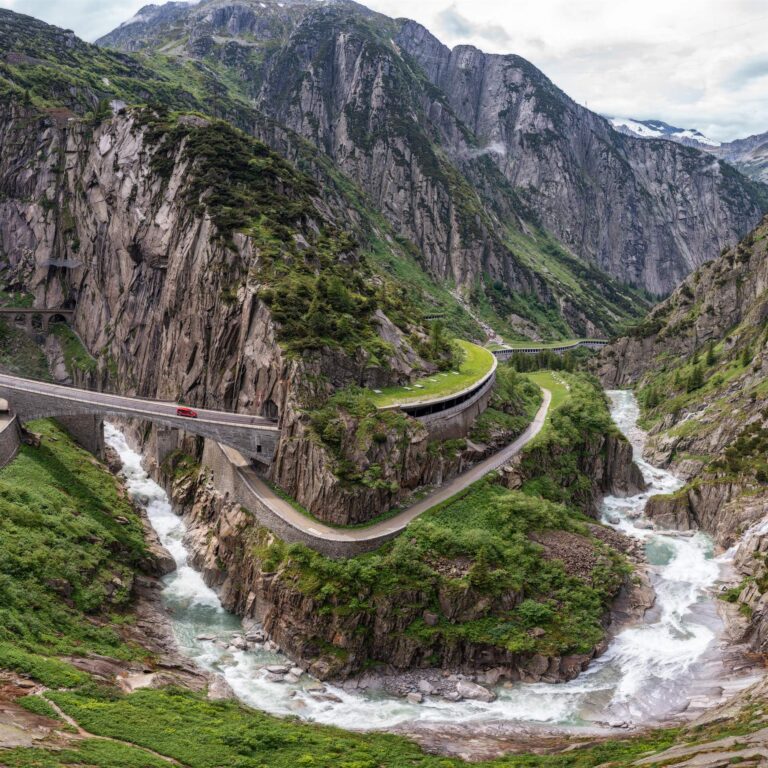
The day is designed as a dedicated photographic visit through the Furka Pass, one of the most spectacular and photogenic alpine passes in Switzerland. Along the route, we will make carefully selected stops to work on dynamic landscape compositions, using the winding mountain roads as leading lines, combined with changes in elevation and wide-open high-mountain views. It is an ideal setting for landscape photography with a strong graphic component and a powerful sense of scale.
One of the key locations will be the area around the Rhône Glacier, where we will spend time exploring different photographic approaches—from wide scenes that place the glacier within the surrounding valley to closer compositions focusing on ice textures, moraines, and patterns, allowing for a more abstract and documentary perspective. The historic ice cave adds both visual and narrative interest, highlighting the relationship between natural alpine environments and human presence.
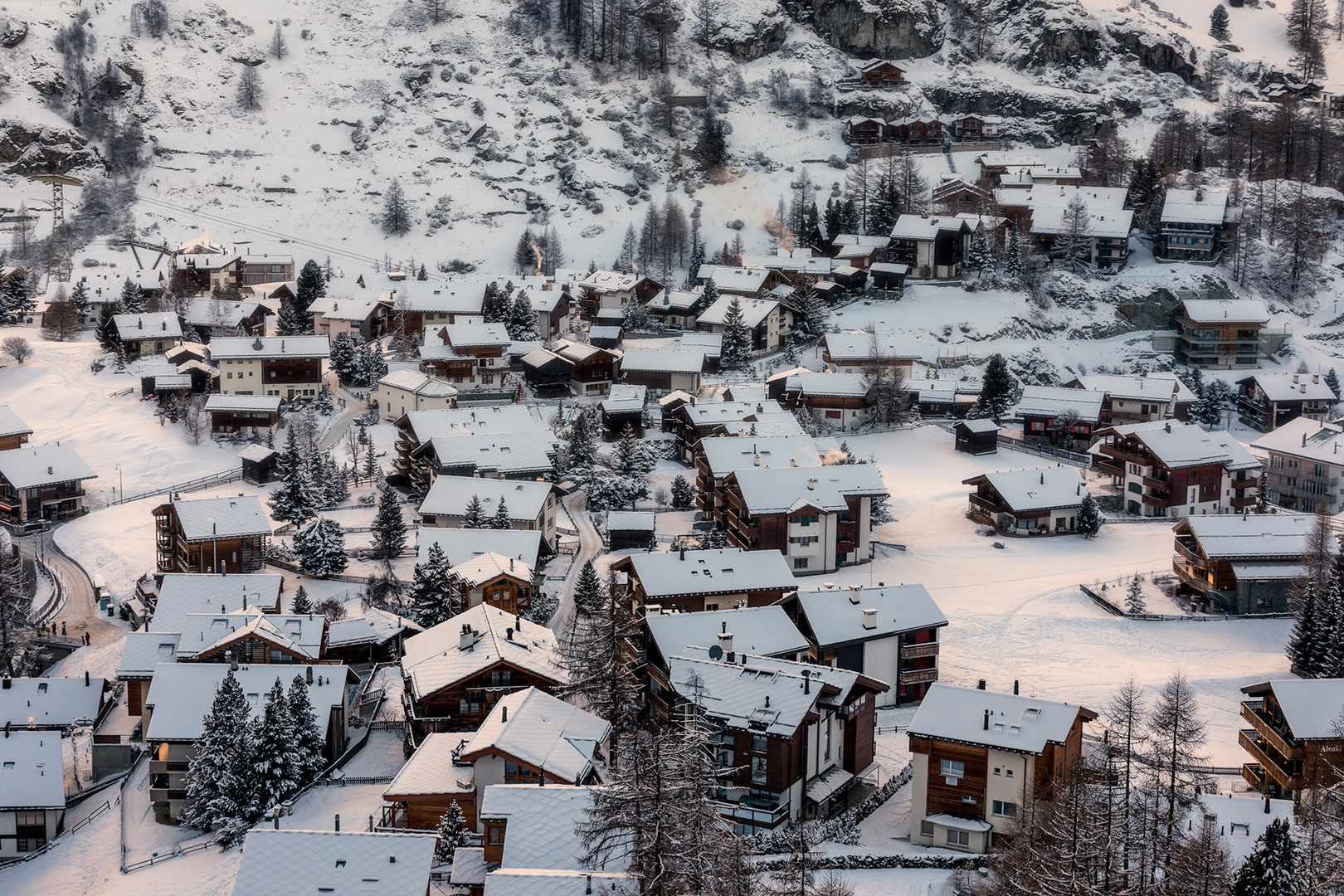
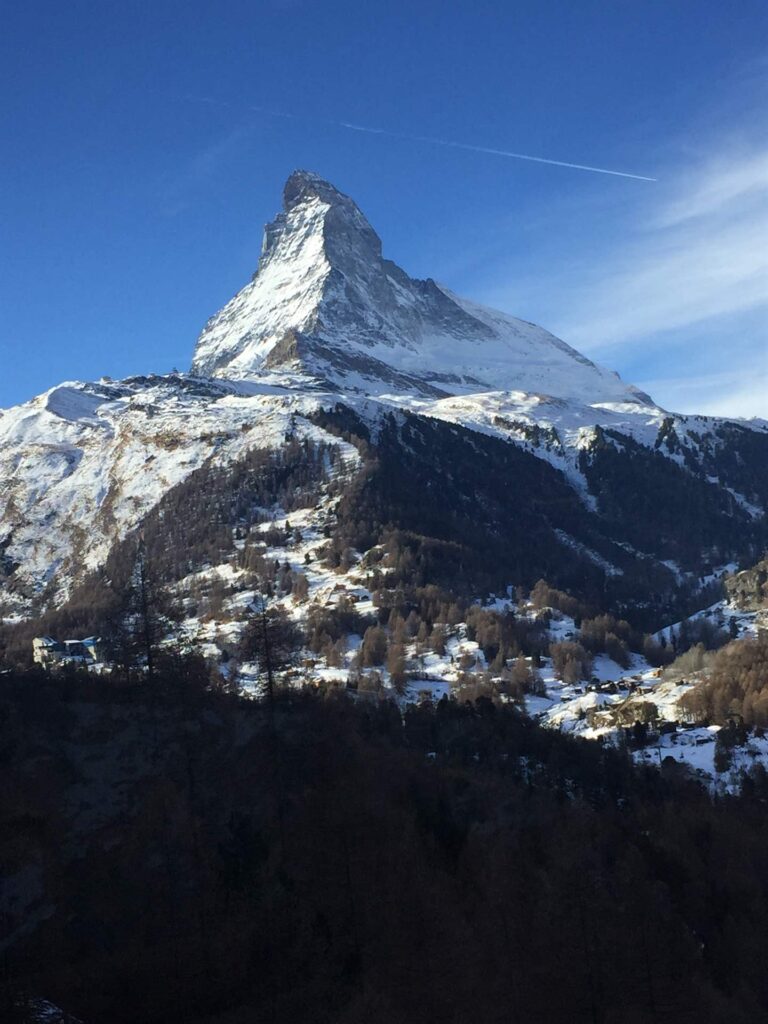
After crossing the Furka Pass, we arrive in Zermatt, where we will carry out a photographic visit through the valley, focusing on the relationship between the village and the surrounding high mountains. Zermatt, a car-free village with distinctive alpine architecture, offers excellent opportunities to photograph traditional buildings, mountain railways, and street scenes, all set against the dramatic backdrop of the Matterhorn. A session designed to combine landscape, alpine urban scenes, and atmosphere, concluding the day in one of the most iconic locations in the Swiss Alps.
-
8
![]()
Gornergrat – Matterhorn
Gornergrat – Matterhorn The day in Zermatt is planned as a dedicated photographic visit to one of the most iconic alpine locations in Europe. As a car-free village, Zermatt offers a calm and well-ordered environment, ideal for…
Read the full day
Gornergrat – Matterhorn
The day in Zermatt is planned as a dedicated photographic visit to one of the most iconic alpine locations in Europe. As a car-free village, Zermatt offers a calm and well-ordered environment, ideal for working at a relaxed pace and combining alpine architecture, mountain railways, and dramatic landscapes without visual distractions.
The main subject throughout the day will be the Matterhorn, rising to 4,478 meters and instantly recognizable by its perfectly defined pyramid shape. We will explore different viewpoints and focal lengths, taking advantage of how the changing light shapes the mountain, revealing textures, shadows, and contrasts that make it an exceptional subject for high-mountain landscape photography.
We ascend to the Gornergrat aboard its historic cogwheel railway, an experience that is photographic in itself. From this viewpoint, located at over 3,000 meters, we enjoy some of the finest perspectives of the Matterhorn, along with an impressive concentration of peaks and glaciers from the Monte Rosa massif. The area also features several alpine lakes, where we will work on reflections, symmetry, and foreground elements, adapting compositions to light and wind conditions.
This is a day dedicated to exploring multiple locations and angles, without rushing, focusing both on sweeping panoramas and more intimate spring alpine scenes. A carefully structured day designed to make the most of one of the most photogenic places in the Alps, with a clear emphasis on landscape photography.
-
9
![]()
Lausanne/Geneva – Return
Free Morning in Lausanne! Free morning in Lausanne or Geneva, allowing time for urban photography to capture elegant architecture and local atmosphere, before the transfer to the airport.
Read the full day
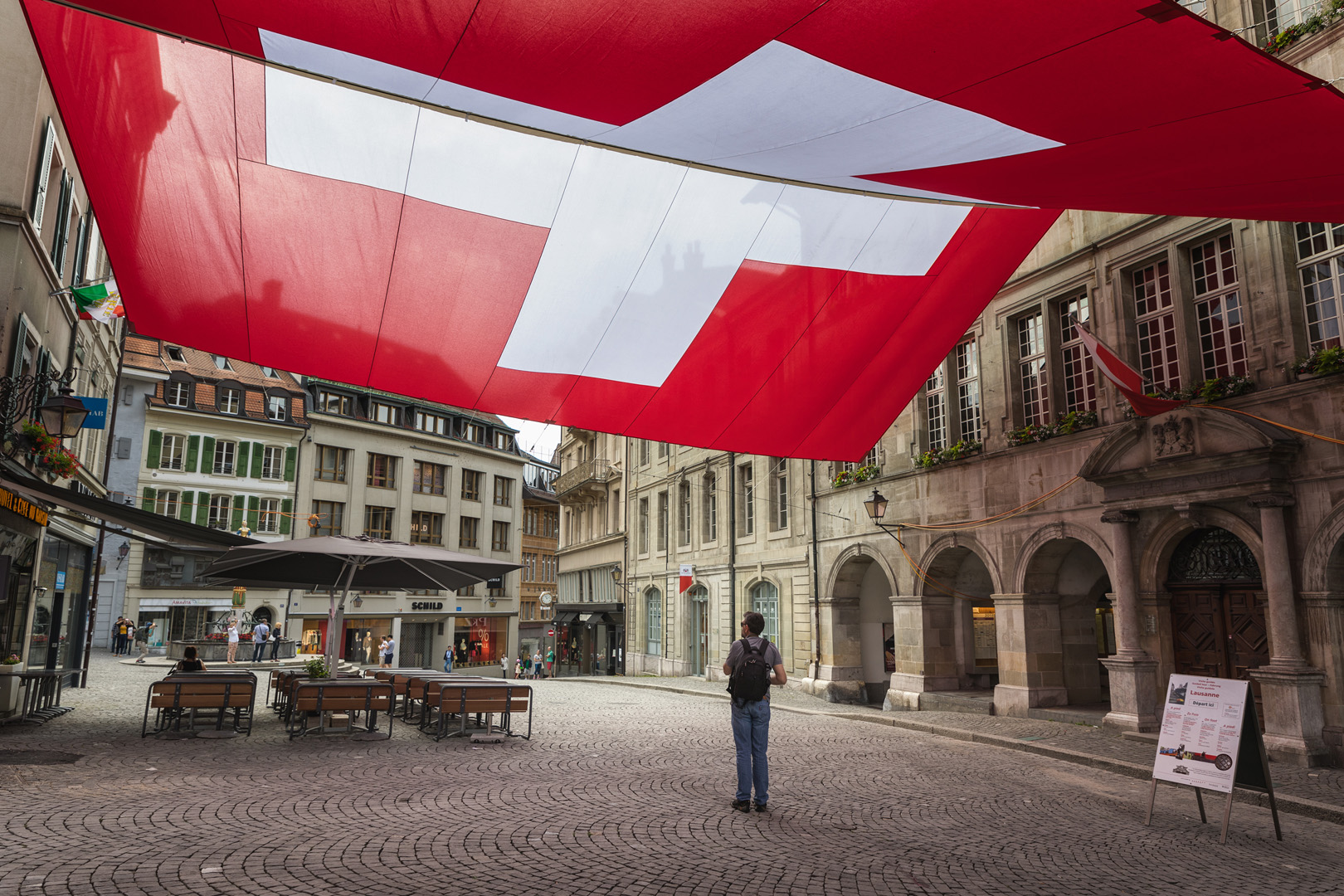
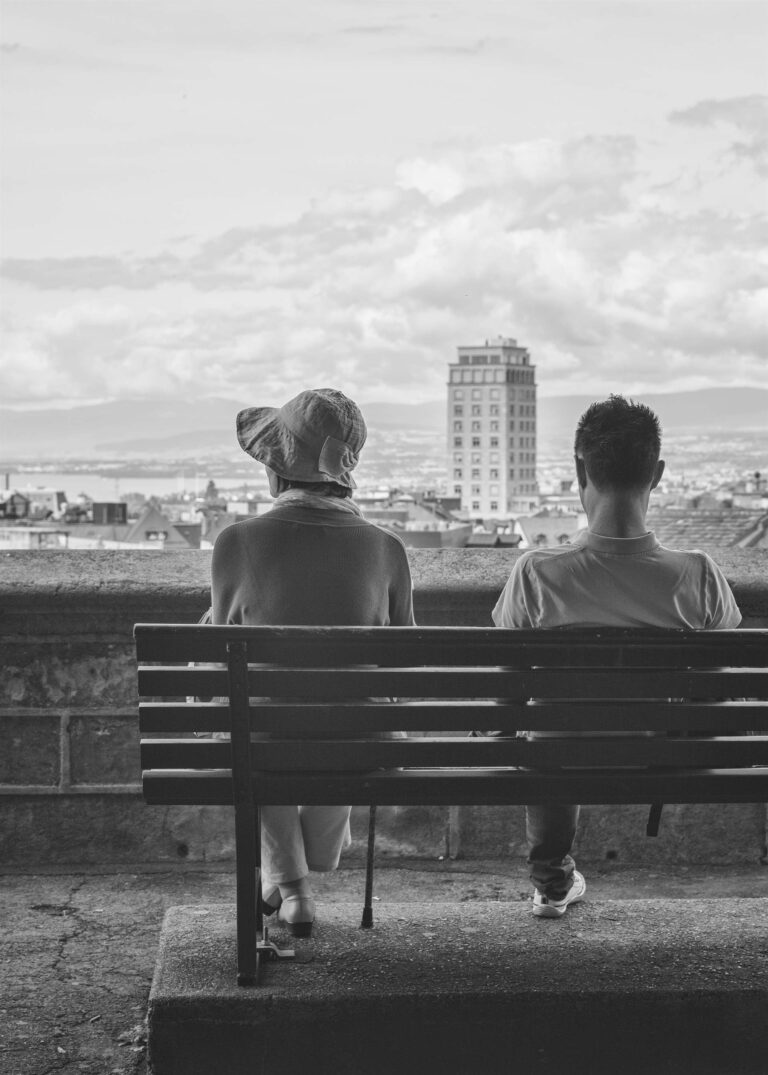
Free Morning in Lausanne!Free morning in Lausanne or Geneva, allowing time for urban photography to capture elegant architecture and local atmosphere, before the transfer to the airport.
Gallery
What's included
Included
- Accommodation in hotels with breakfast included, in double rooms.
- Transportation in a 9-seat van throughout the entire itinerary.
- Photography guide fees and expenses.
- Cable cars to Jungfraujoch and Bettmergrat (Aletsch Glacier).
- Cogwheel train Zermatt – Gornergrat.
- Cogwheel train Wengen – Kleine Scheidegg / Jungfraujoch.
- Train Täsch – Zermatt (round trip).
- Entrance ticket to Château de Chillon.
Not included
- Meals.
- Entrance fees to museums or attractions not specified in the itinerary.
- Flights from the point of origin to Geneva.
Your guide
Yezrael Pérez
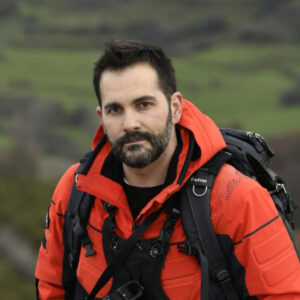
Yezrael Pérez Fernández is a travel and nature photographer based in León, Spain. Inspired by his father’s passion for photography, he grew up learning to capture moments that last beyond time. His work combines storytelling, emotion, and the beauty of landscapes and journeys, with recognition in international contests. Beyond photography, he also works as a web developer, blending creativity and technology.
View profileSee their 1 trips
Frequently asked questions
What photographic equipment is recommended?
To make the most of the locations and lighting conditions on this trip, it is advisable to bring versatile photographic equipment, primarily suited for landscape and mountain photography.
- Camera: A DSLR or mirrorless camera, preferably with a full-frame or APS-C sensor. Good dynamic range is important for handling contrasts between snow, sky, and shadows in alpine environments.
- Lenses:
- Wide-angle lens (14–24 mm / 16–35 mm): essential for wide landscapes, glaciers, lakes, waterfalls, and alpine panoramas.
- Standard zoom (24–70 mm): very useful for balanced compositions, urban scenes, architecture, and tighter landscapes.
- Mid-range telephoto (70–200 mm or similar): ideal for isolating details, compressing mountain layers, and photographing iconic peaks such as the Matterhorn.
- Tripod: Essential for long exposures, sunrise and sunset photography, waterfalls, and reflections on lakes. A stable yet lightweight tripod is recommended for ease of transport.
- Filters:
- ND filters: to smooth water movement in rivers and waterfalls.
- Polarizing filter: useful for controlling reflections on lakes, enhancing skies, and increasing color saturation.
- Recommended accessories: Spare batteries, ample memory cards, a lens cleaning cloth, and a comfortable, weather-resistant backpack suitable for mountain conditions.
This equipment setup allows you to work comfortably with wide alpine panoramas as well as details and more intimate compositions, adapting easily to the variety of photographic situations encountered throughout the trip.
Do I need previous experience in photography to join this trip?
Previous experience is helpful but not mandatory. The trip is designed for photographers with basic camera knowledge and is equally rewarding for intermediate and advanced levels.
What type of photography will we focus on during the trip?
The main focus is landscape photography, including alpine mountains, glaciers, lakes, waterfalls, historic villages, and iconic peaks such as the Matterhorn.
Is the itinerary physically demanding?
No. The itinerary is comfortable and accessible, with no long hikes required. Cable cars, cogwheel trains, and vehicle transport allow easy access to key viewpoints.
What weather conditions should I expect in late May?
Spring in the Alps brings variable conditions: mild temperatures in valleys, colder air at higher altitudes, melting snow, powerful waterfalls, and rapidly changing light.
Are mountain trains and cable cars included in the trip price?
Yes. All major mountain transport needed for the itinerary, including Jungfraujoch, Gornergrat, Wengen, and Täsch–Zermatt trains, is included.
Are drones allowed during the trip?
Drones are permitted in many areas, but restrictions apply in certain locations and national parks. Local regulations will always be respected.
Another question? Ask the assistant or write to us on WhatsApp.