
Morocco April 2027
Expeditions · Morocco
Morocco April 2027
Wildlife and landscapes of southern Morocco · 21–28 April 2027
At a glance
About the expedition
Eight days crossing southern Morocco from Marrakech: the Atlas, the valleys of kasbahs, the stony steppes of the Dades and the dunes of Erg Chebbi.
The trip combines two disciplines. On one side, steppe and desert birds and the fennec fox. On the other, mountain landscapes, gorges, dunes, sunsets and some night sessions. It is led by Eduardo Blanco, an expert on the region, with a small group of 5 to 7 travellers.
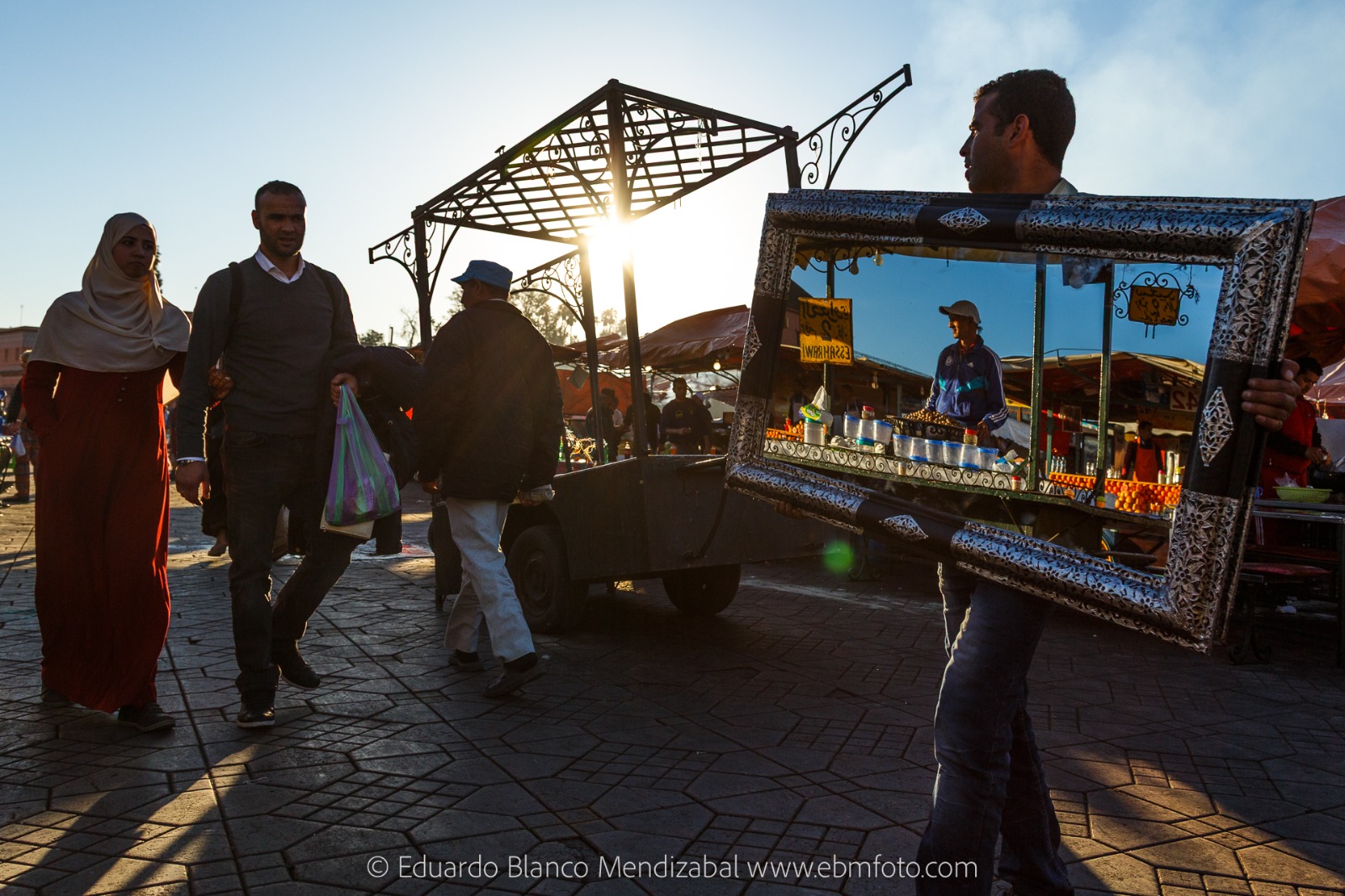
- Street photography in the Marrakech medina with Eduardo Blanco
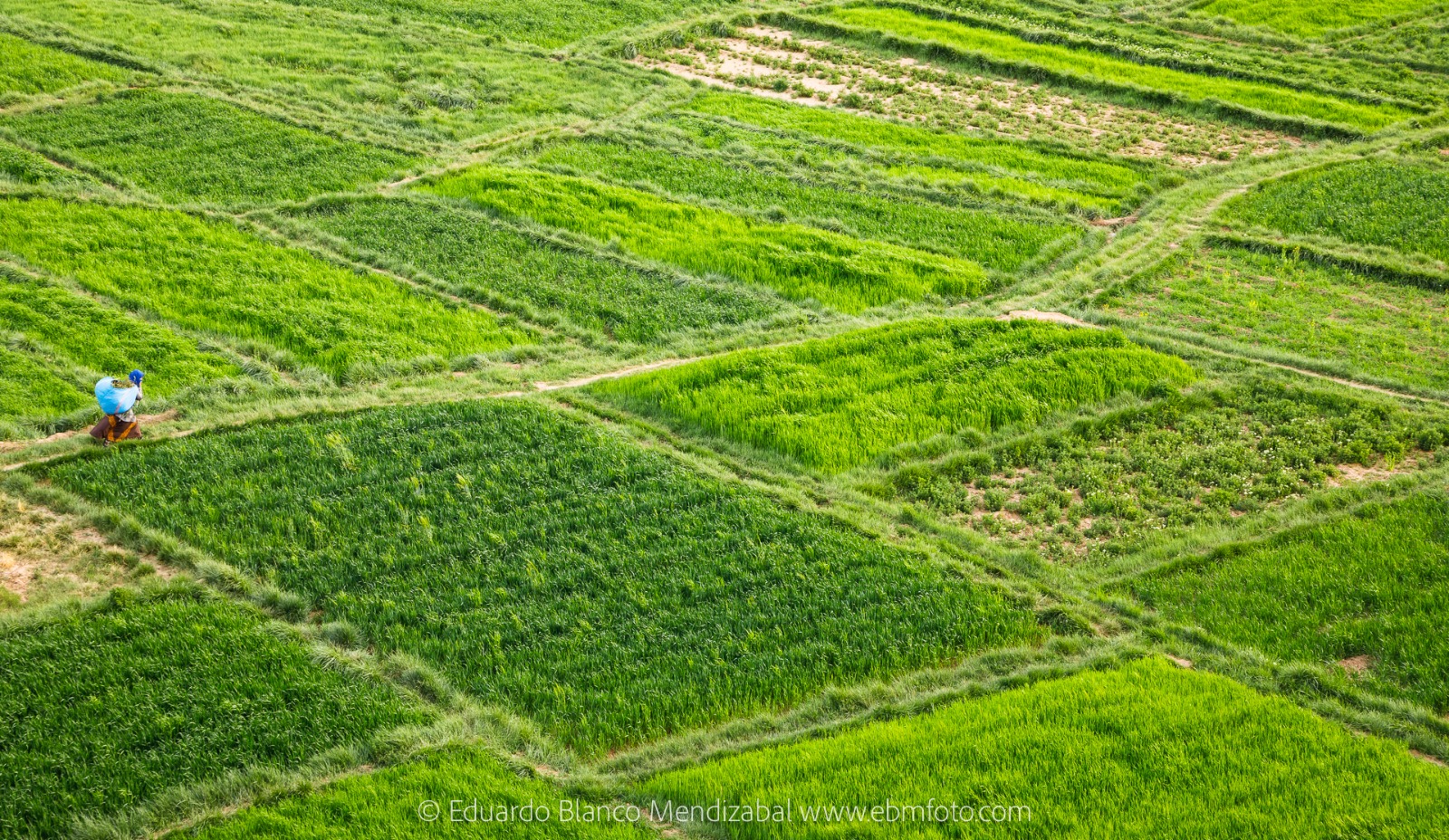
- Crossing the Atlas, Skoura and the Valley of the Roses
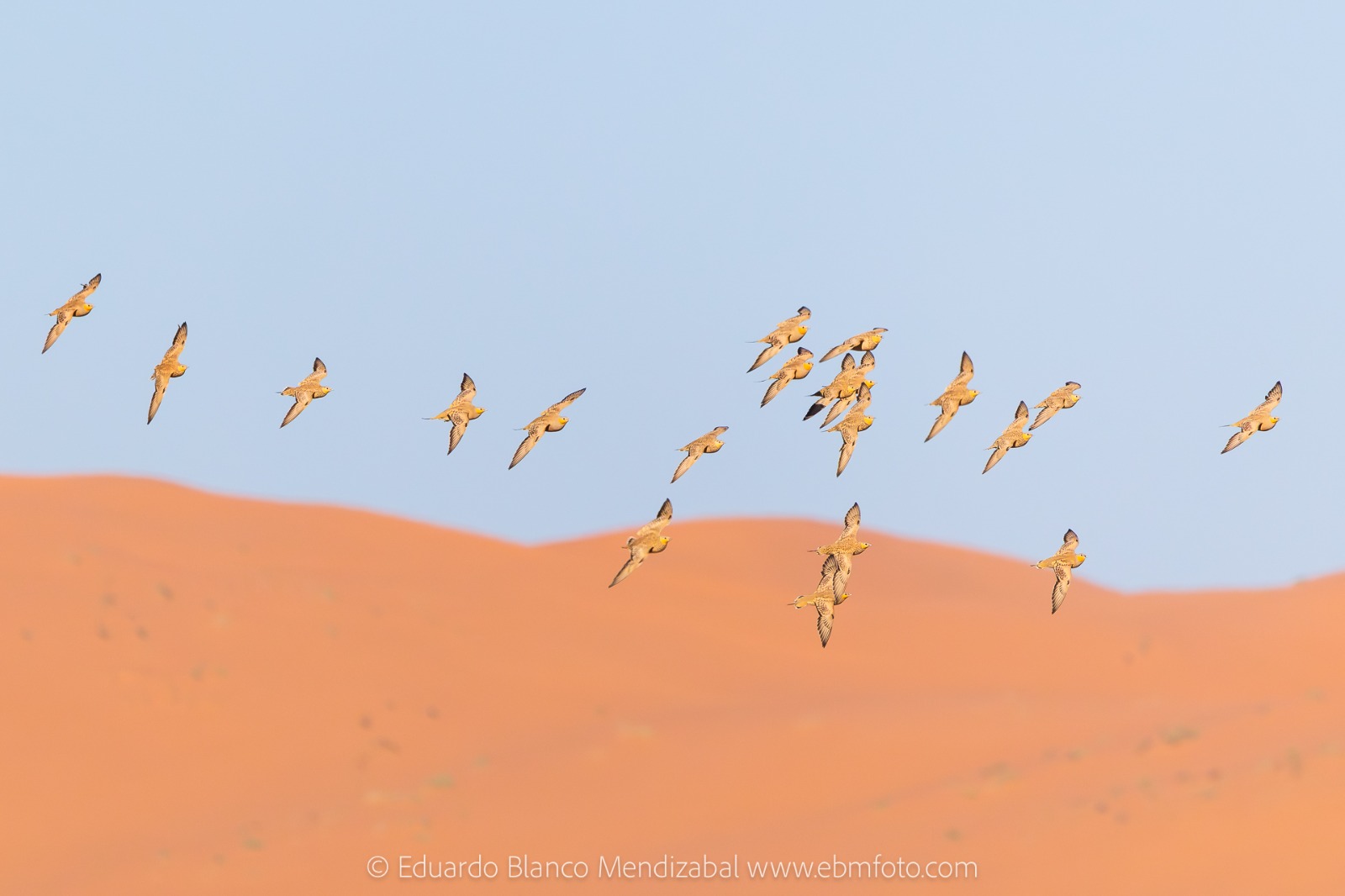
- Steppe birds on the hamadas of Boumalne Dades, in the middle of the breeding season
- Todra Gorge and mountain landscapes
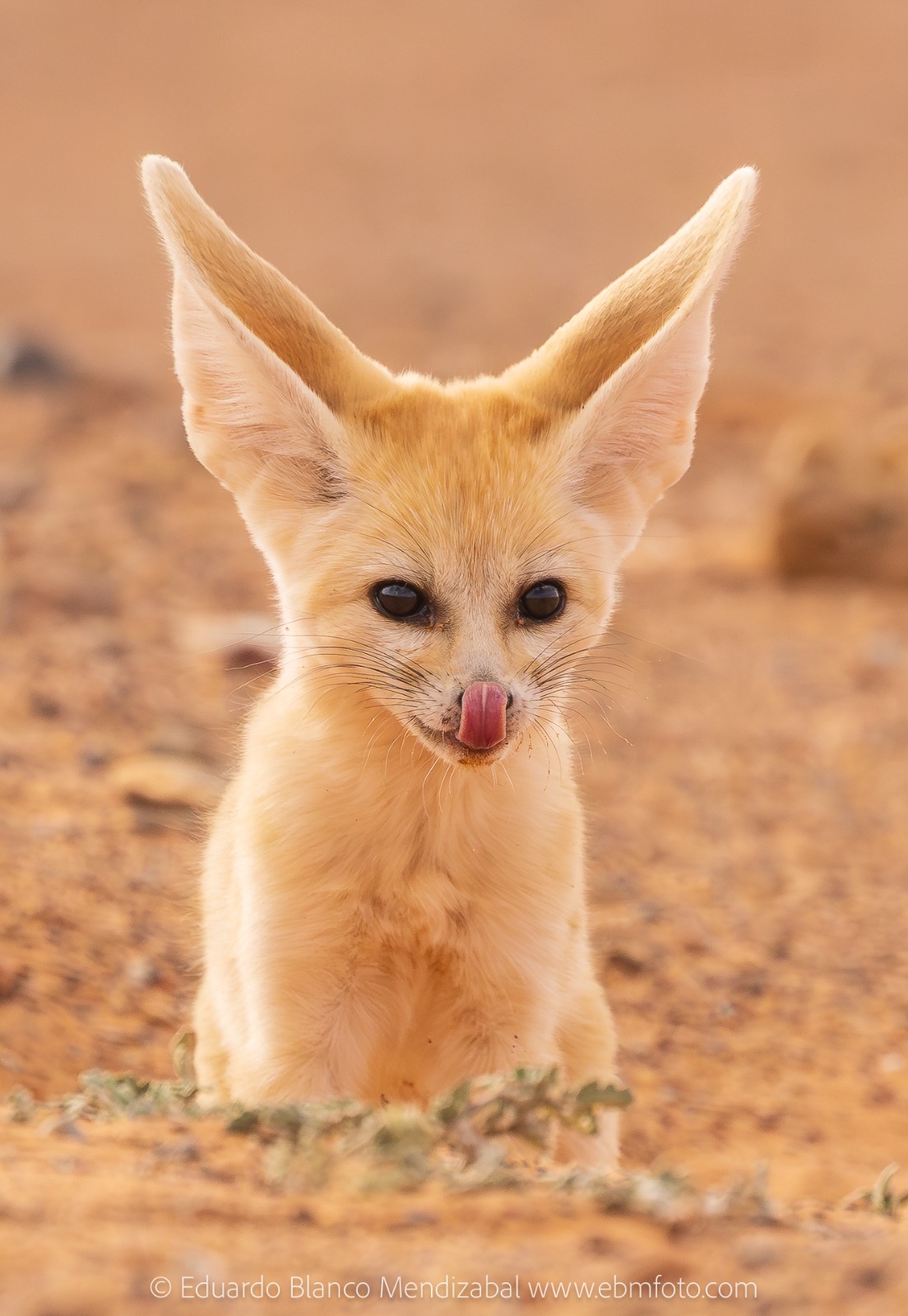
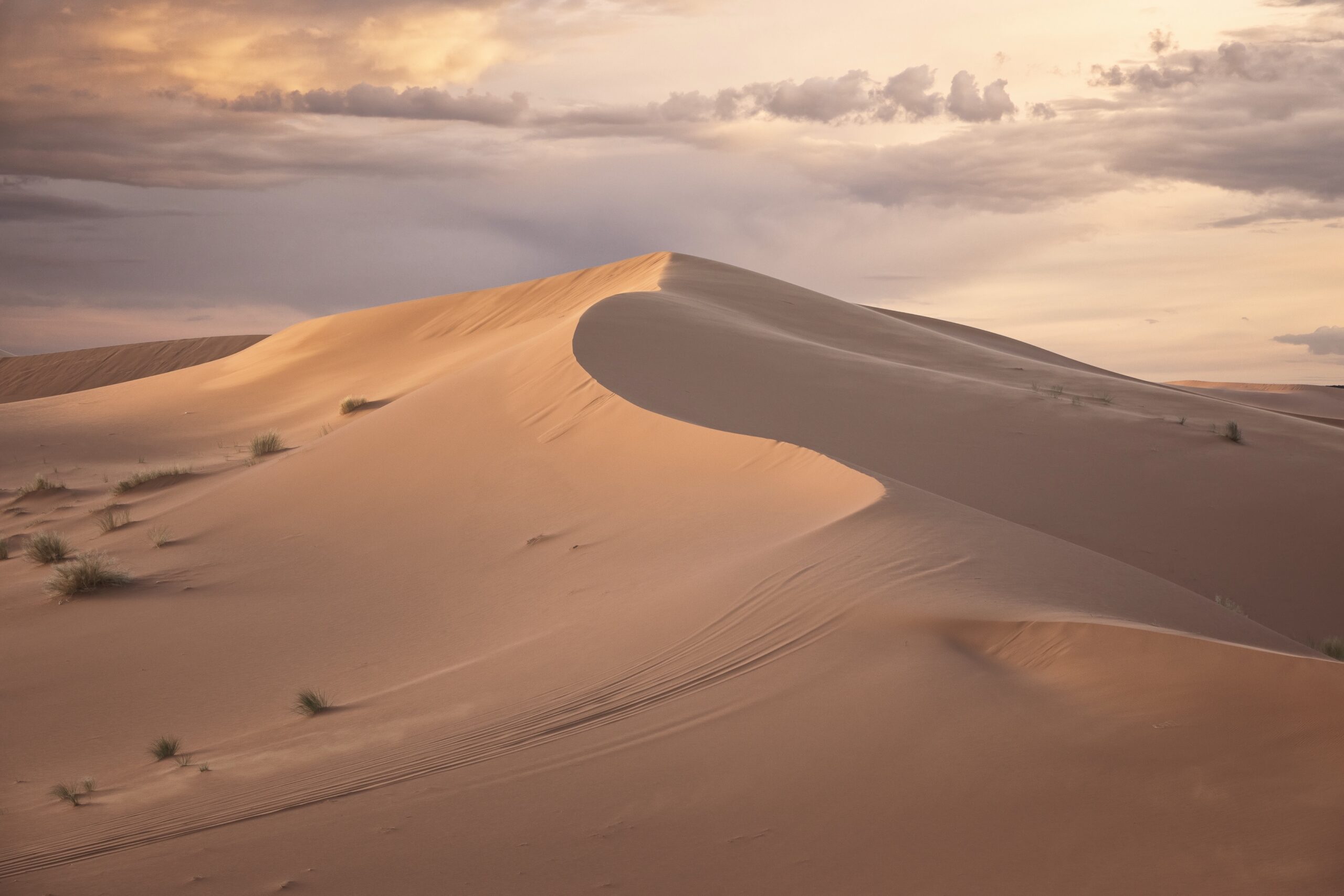
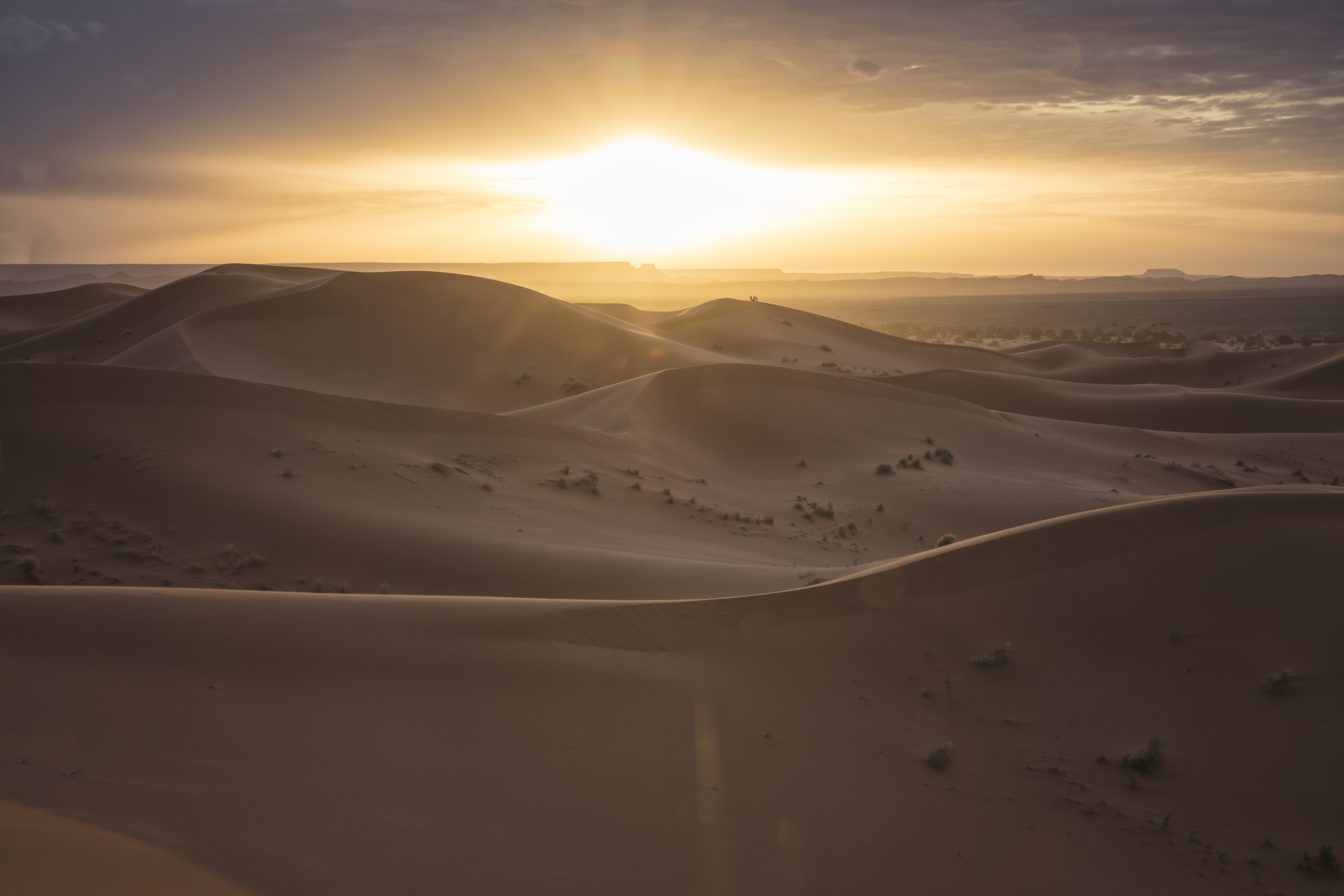
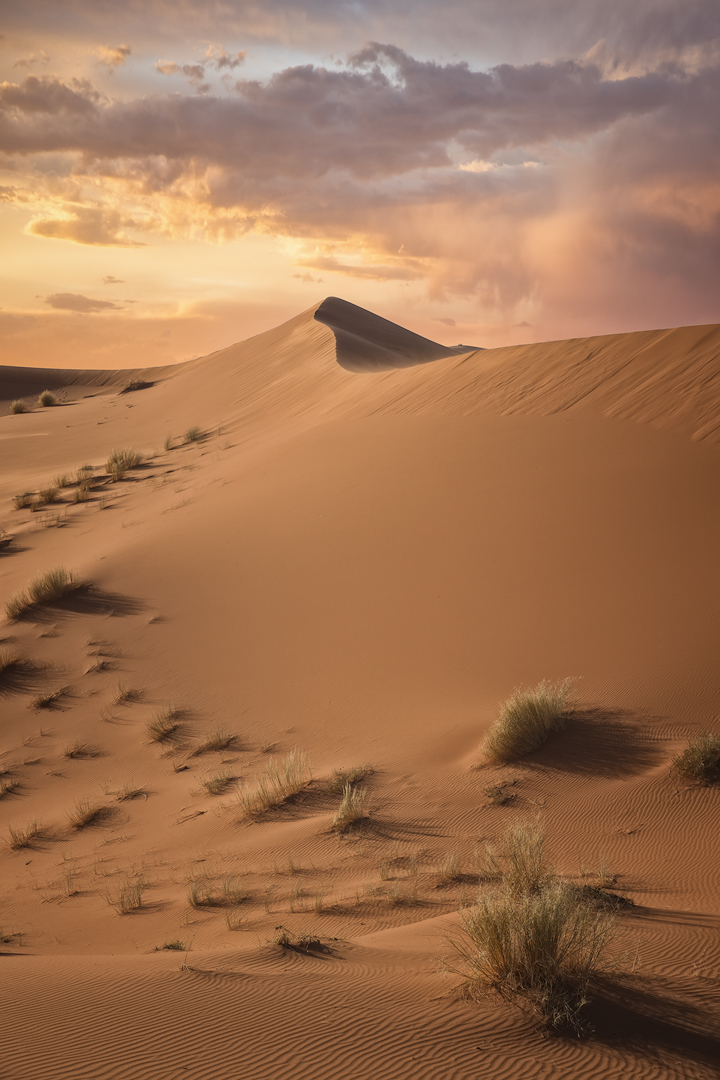
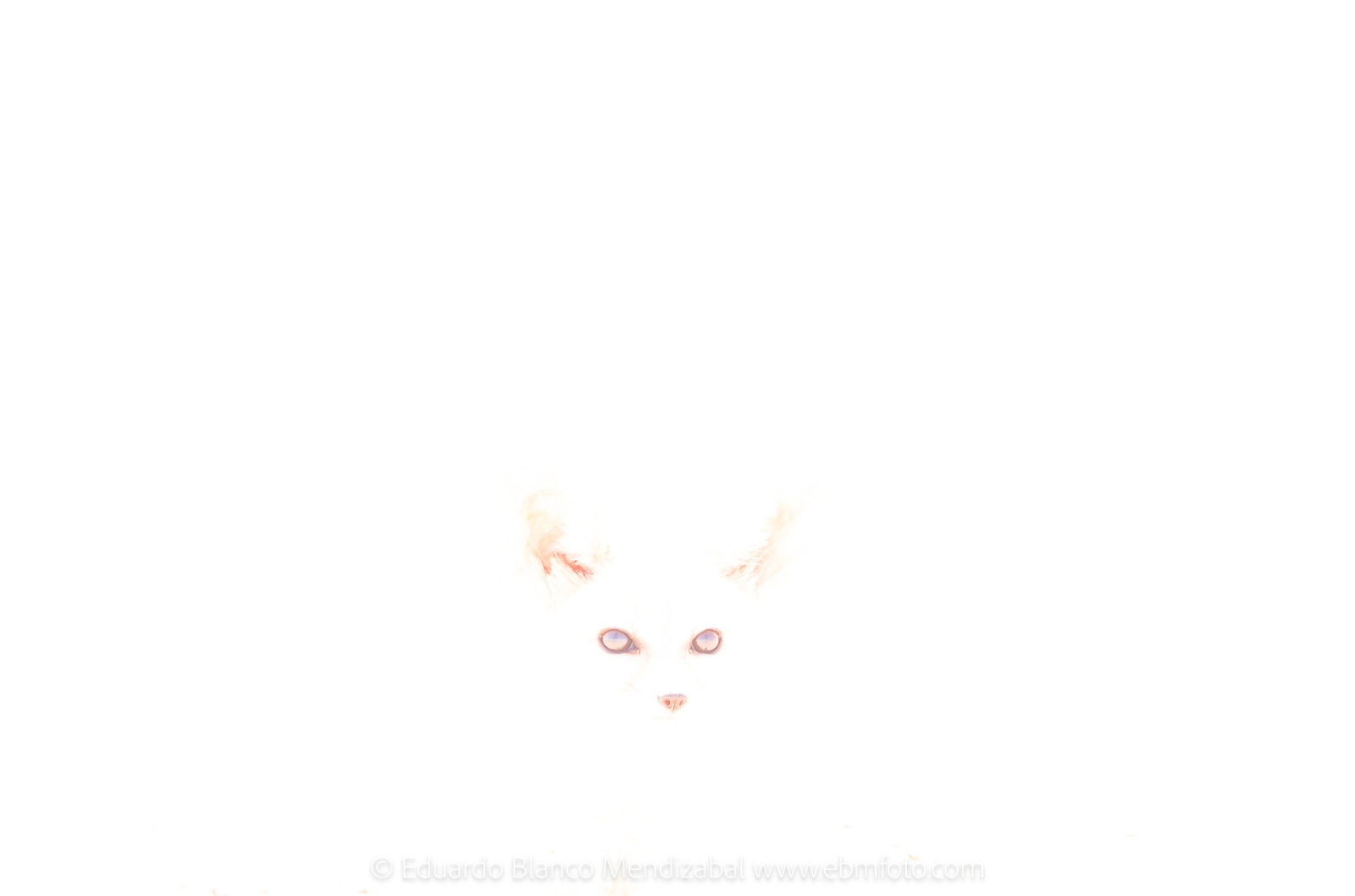
- Three nights at Erg Chebbi: dunes, desert birds and fennec fox near its den
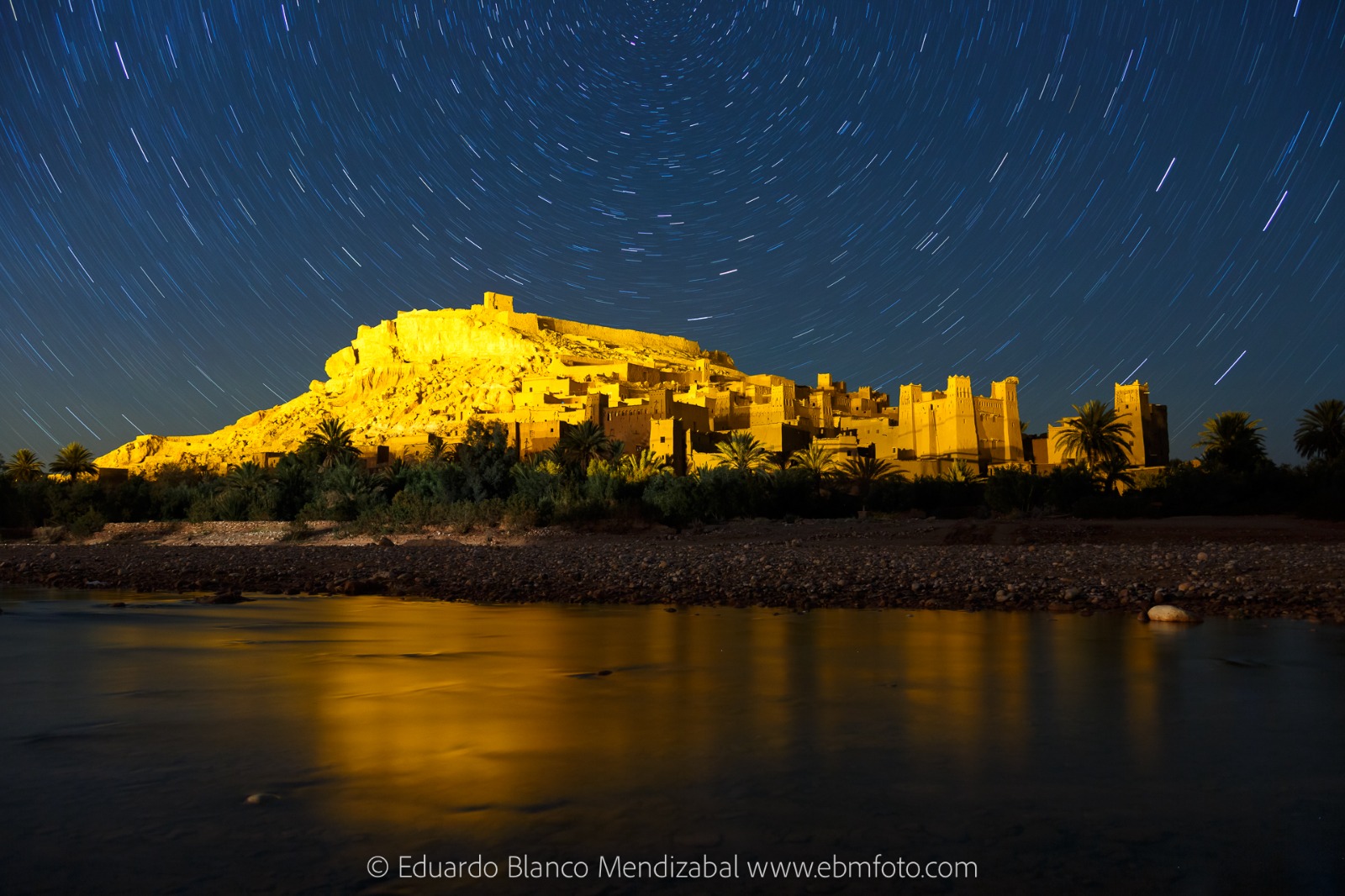
- Sunset at Ait Ben Haddou
- Group of 5 to 7 travellers with a Spanish guide who knows the region
Itinerary
Day by day
-
1
Arrival in Marrakech
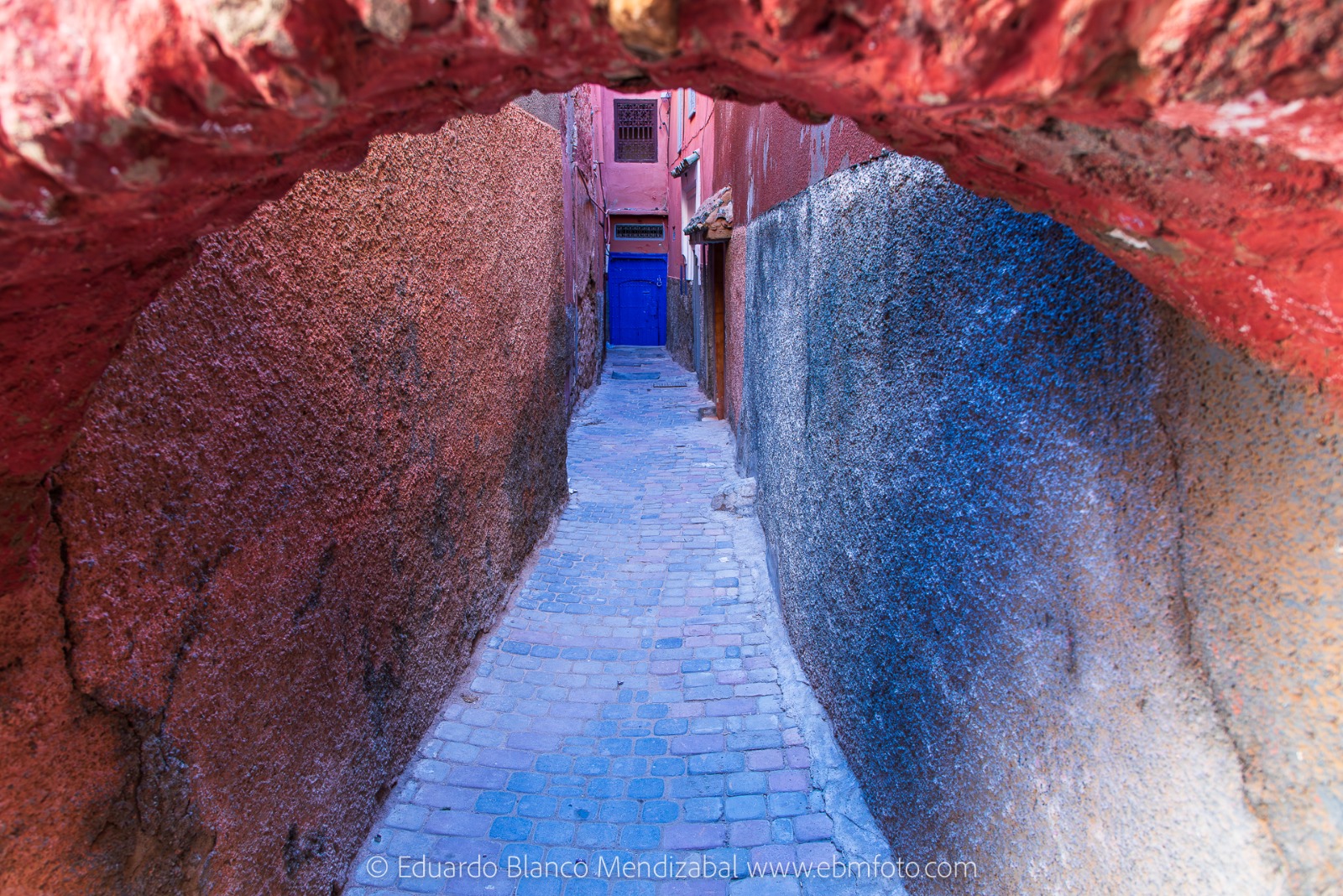
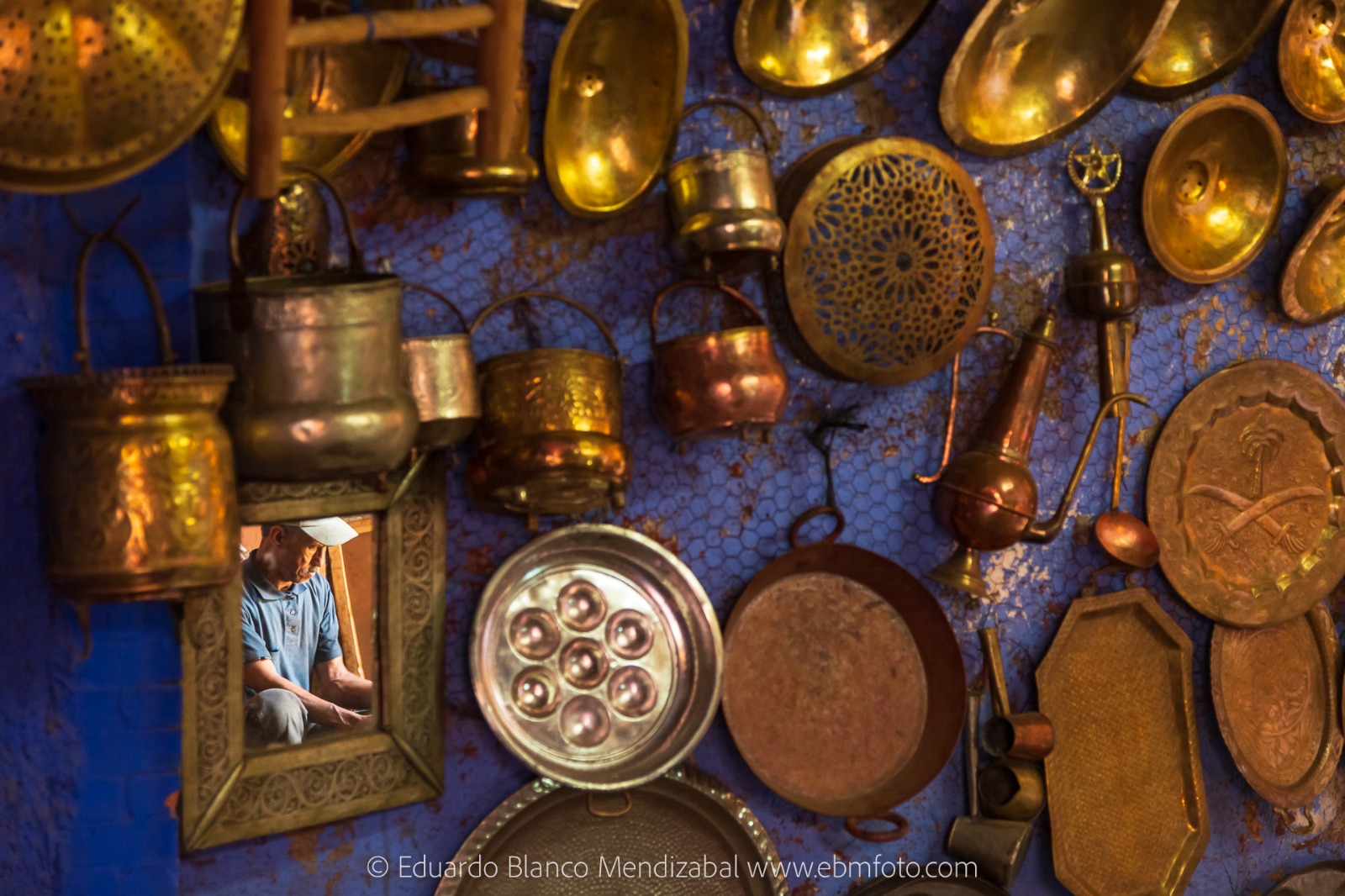
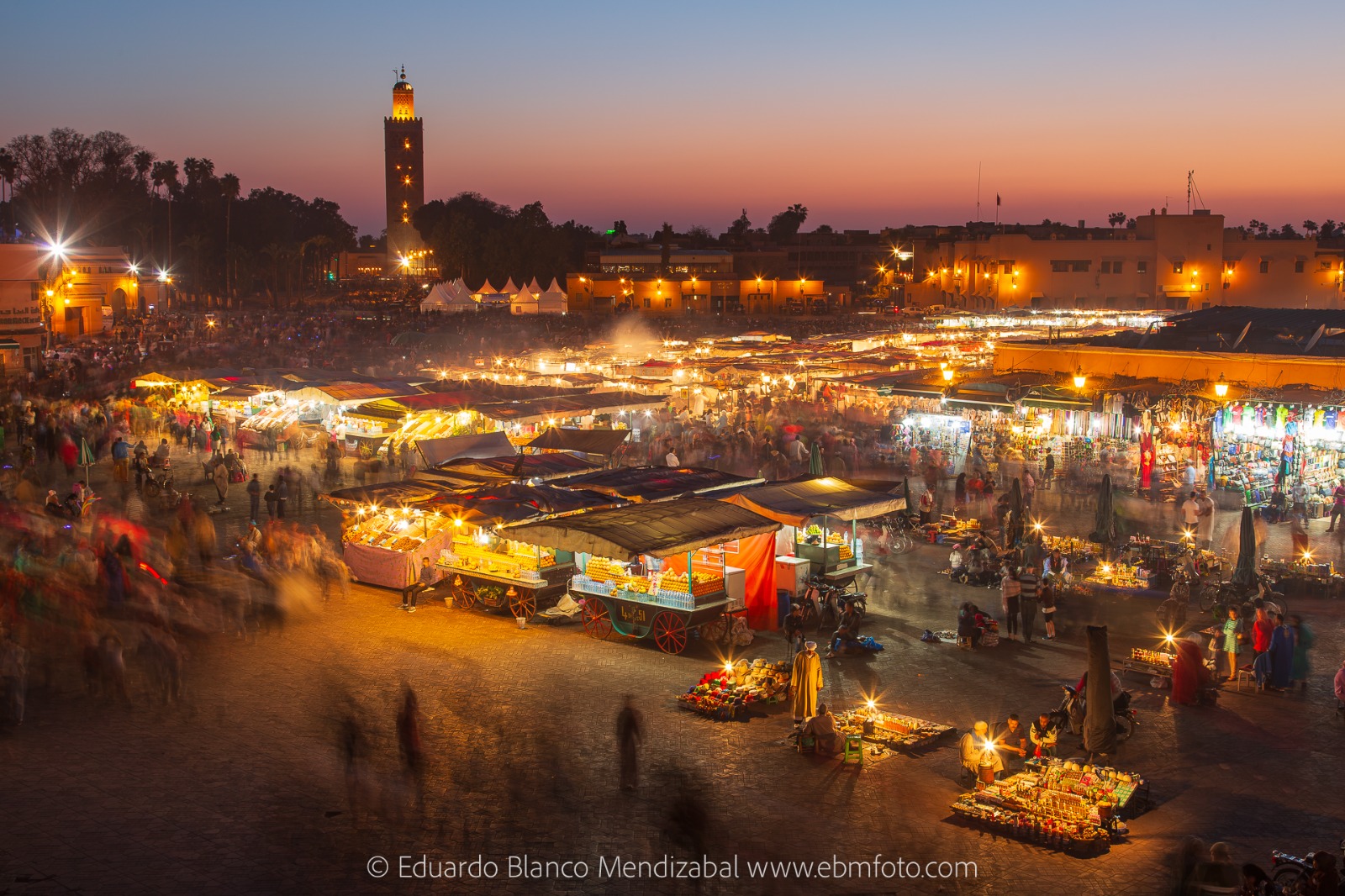
Arrival in Marrakech and transfer to the riad. In the afternoon, Eduardo Blanco leads us through the medina for a street photography session: souks, alleys in raking light and the atmosphere around Jemaa el-Fna. We will mainly…
Traditional riad in Marrakech · night 1Read the full day
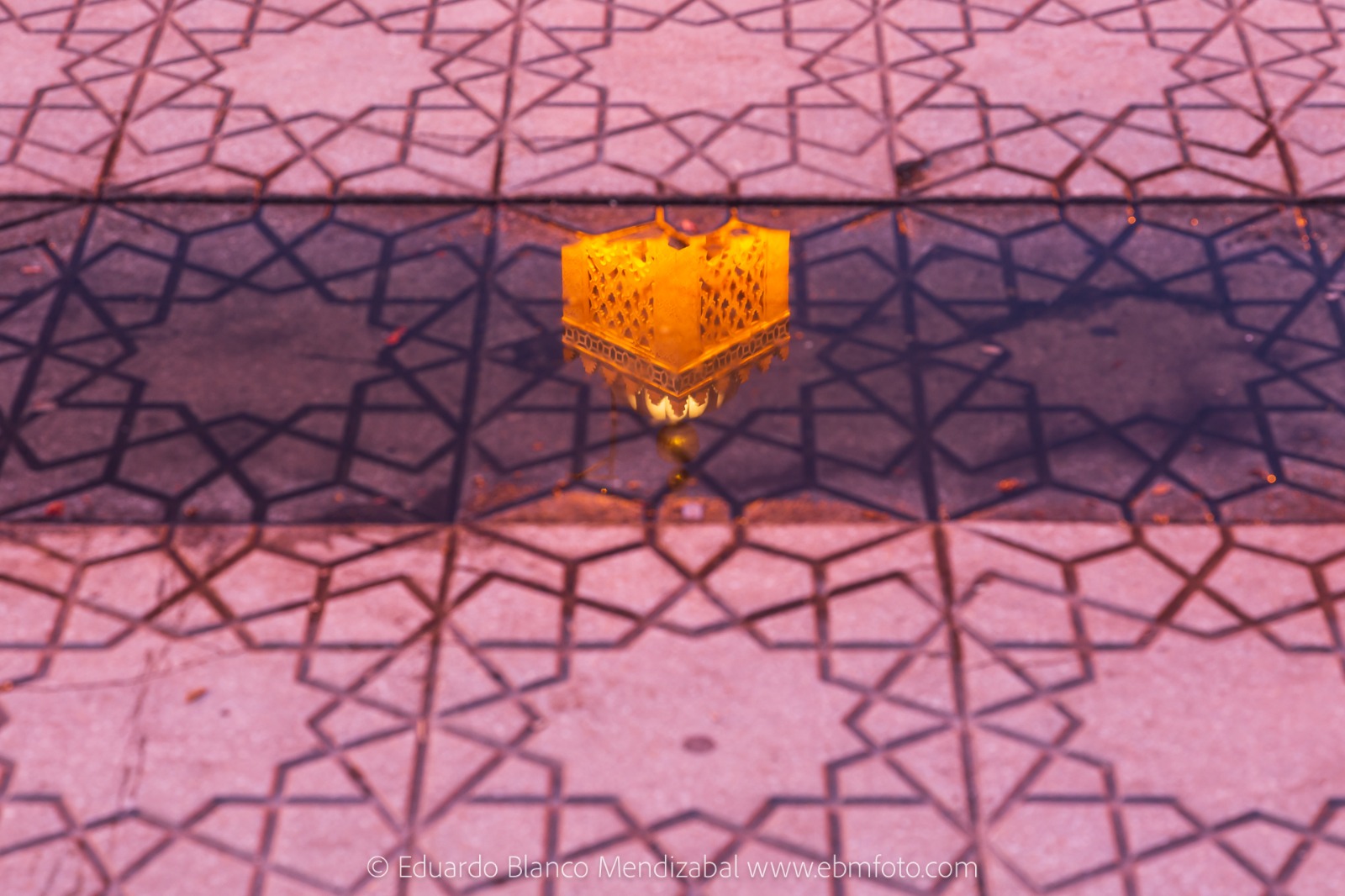
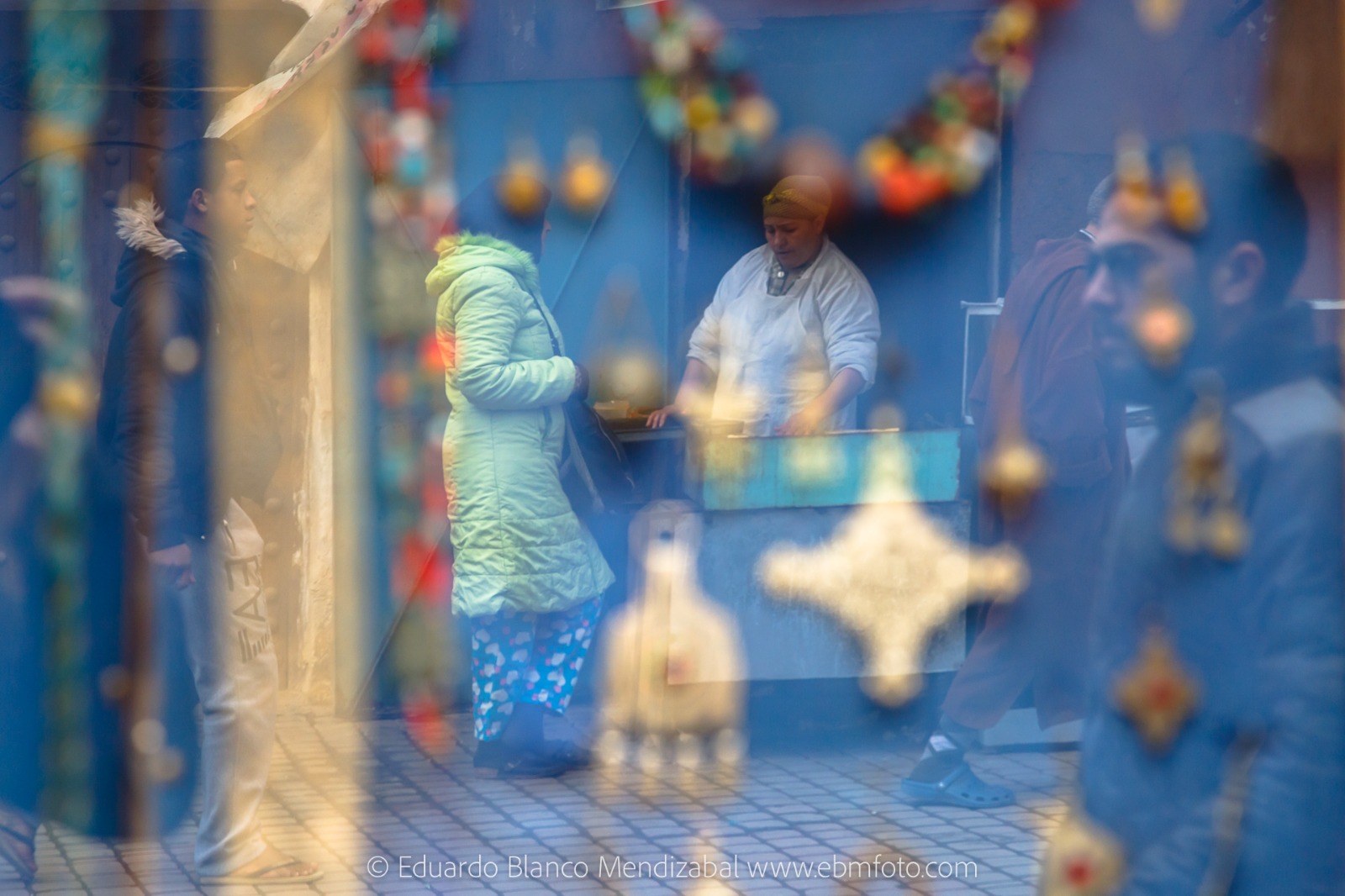
Arrival in Marrakech and transfer to the riad. In the afternoon, Eduardo Blanco leads us through the medina for a street photography session: souks, alleys in raking light and the atmosphere around Jemaa el-Fna. We will mainly work on wide scenes and on the stalls where we buy something. Afterwards we return to the riad, a traditional medina house built around an inner courtyard, ideal for resting and for photographing its architecture and details.
-
2
Atlas, Ouarzazate, Skoura, Valley of the Roses and Dades Valley
A crossing day. We cross the Atlas Mountains on mountain roads, stopping to photograph their valleys and villages. We descend to Ouarzazate, the gateway to the south, and continue to the Skoura palm grove and its adobe kasbahs…
Read the full day
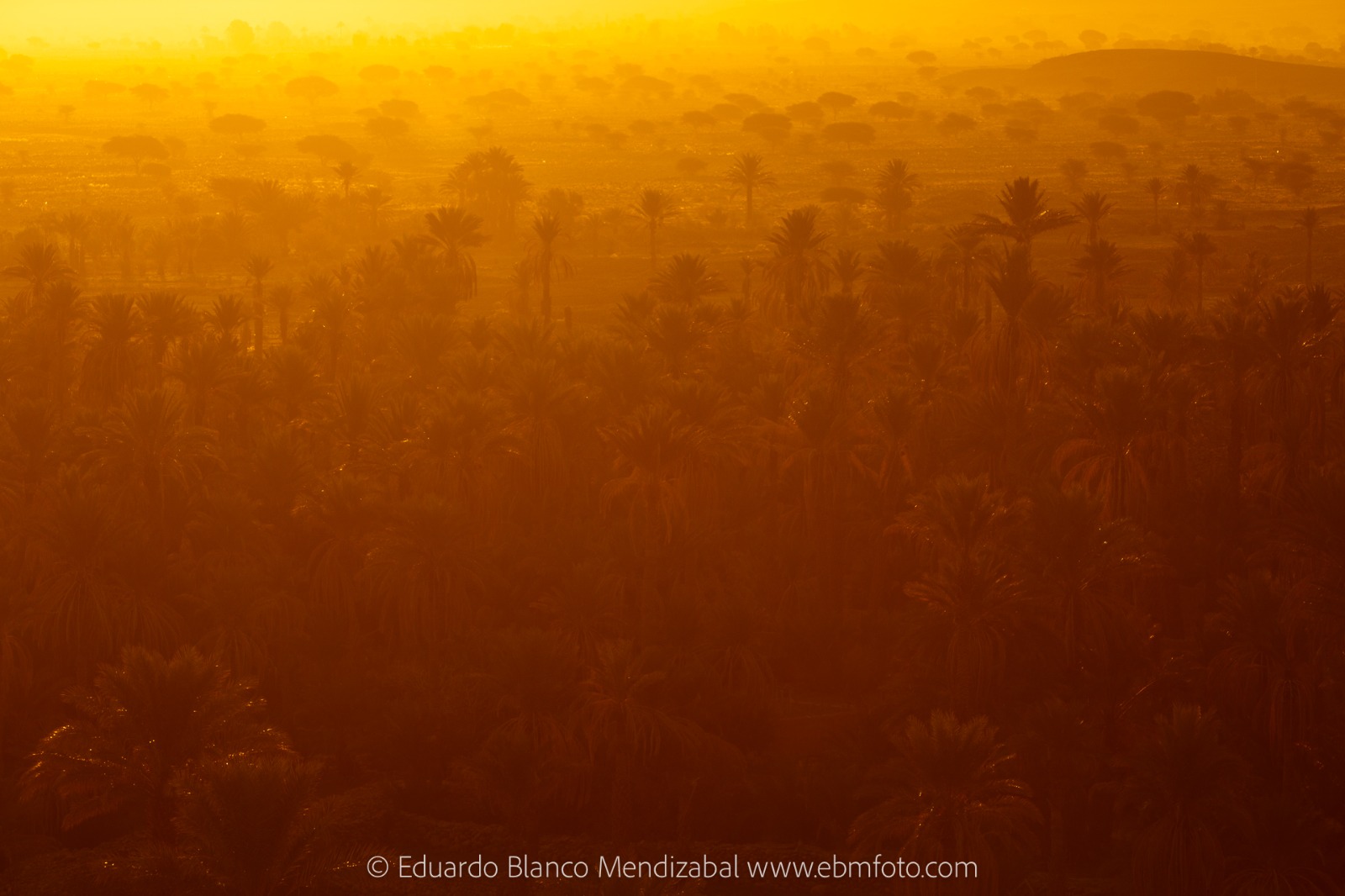
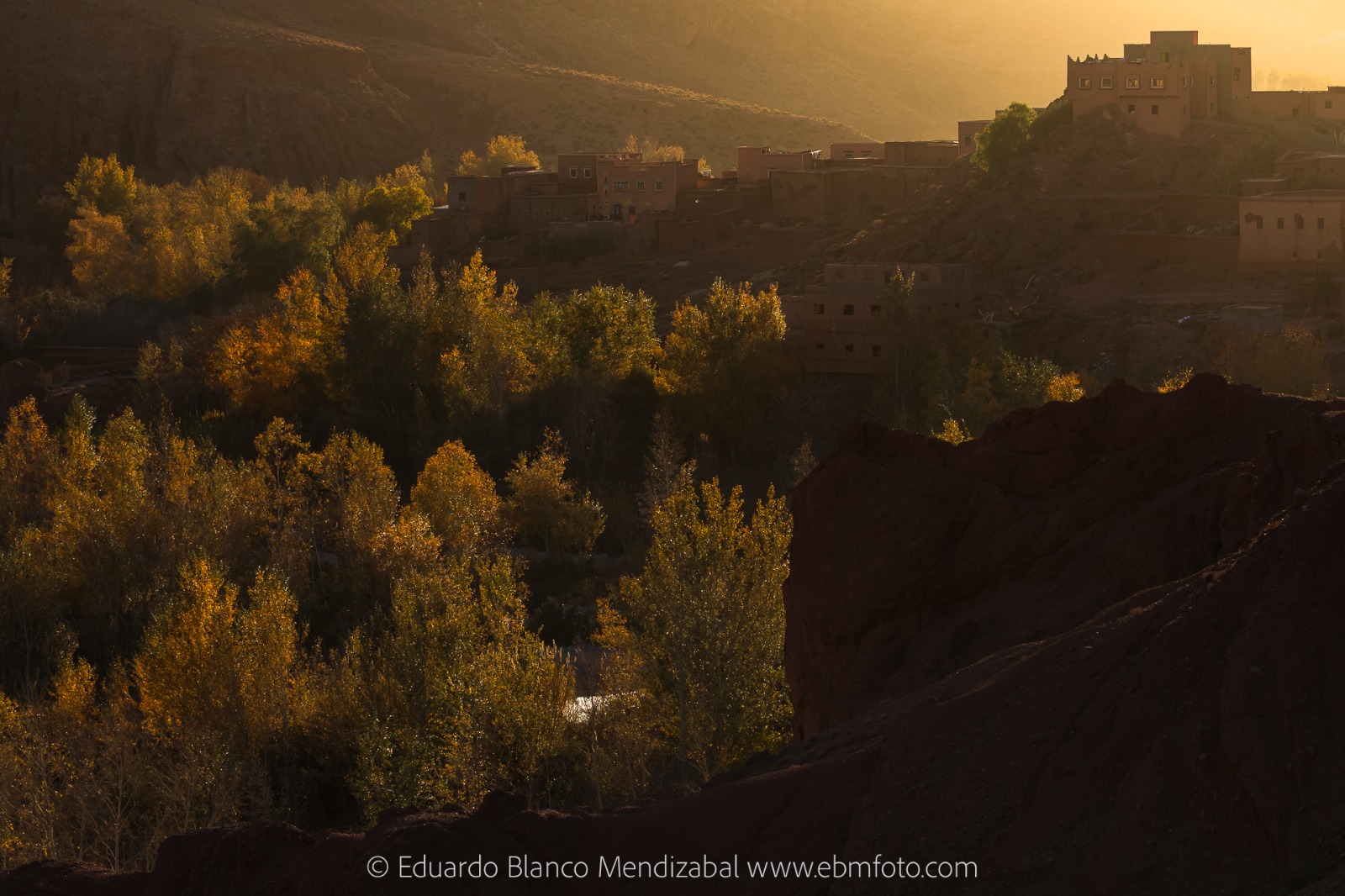
A crossing day. We cross the Atlas Mountains on mountain roads, stopping to photograph their valleys and villages. We descend to Ouarzazate, the gateway to the south, and continue to the Skoura palm grove and its adobe kasbahs. We carry on through the Valley of the Roses, around Kelaat M'Gouna: our dates coincide with the start of the harvest season, which runs roughly from late April to mid-May, so there may be roses in bloom and picking under way, although it varies from year to year. We reach the Dades Valley in the late afternoon.
-
3
Steppe birds, stony desert and rocky outcrops
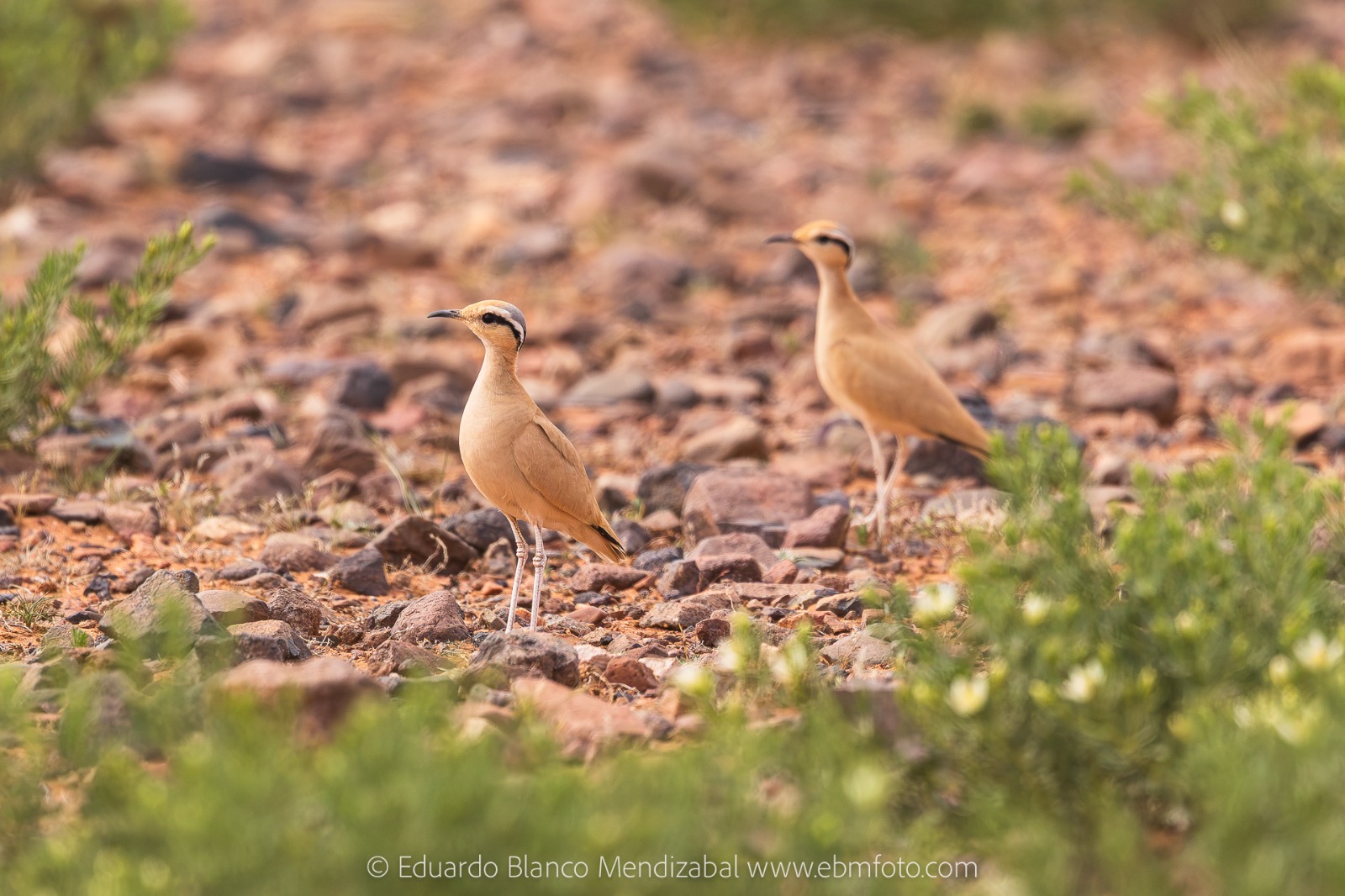
A full day in the hamadas and steppes around Boumalne Dades, one of the best-known birding sites in North Africa. This is the land of larks such as Thick-billed Lark and Temminck's Lark, of wheatears, Cream-coloured Courser and…
Read the full day
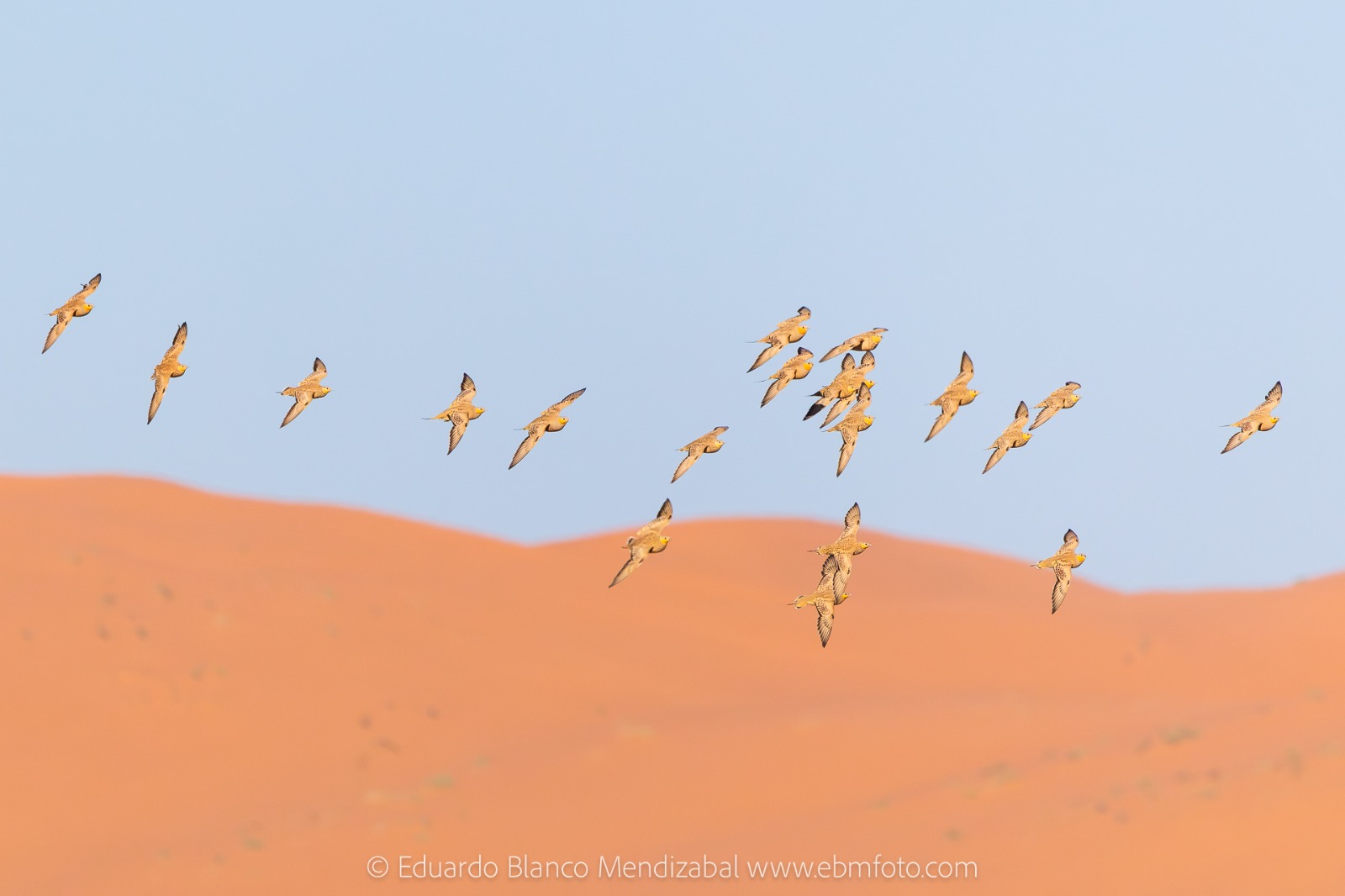
A full day in the hamadas and steppes around Boumalne Dades, one of the best-known birding sites in North Africa. This is the land of larks such as Thick-billed Lark and Temminck's Lark, of wheatears, Cream-coloured Courser and sandgrouse, and April is their breeding season. We start at first light and pause during the middle of the day, when the light is harsh and hazy. In the afternoon we visit cliffs and rocky outcrops, home to raptors and cliff-dwelling species.
-
4
Steppe birds, Todra Gorge and sunset in the desert
A final steppe-birding session at dawn. We continue to the Todra Gorge, with sheer rock walls hundreds of metres high, and photograph mountain landscapes. In the afternoon we reach Erg Chebbi in time for our first sunset among…
Read the full day
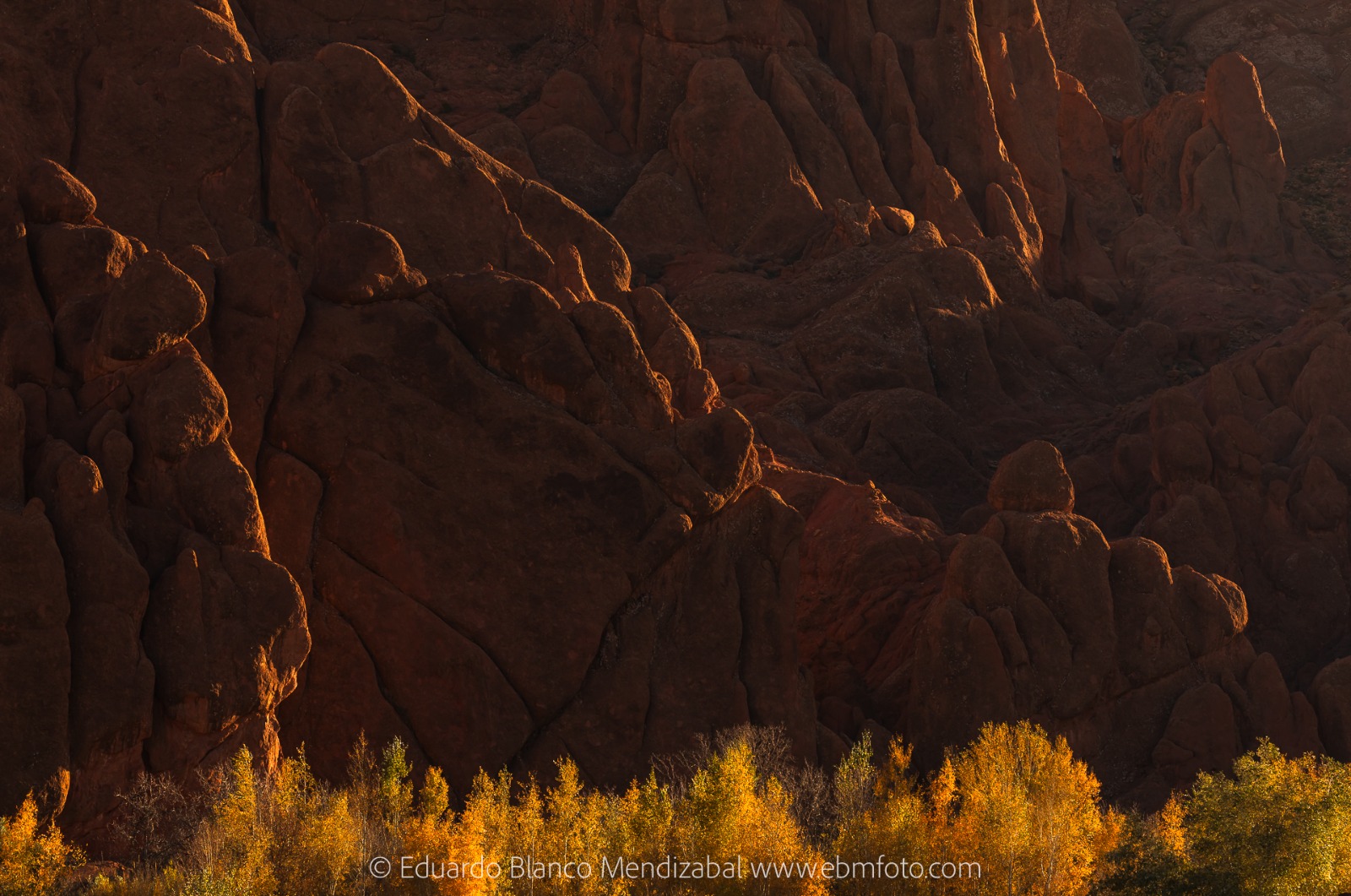
A final steppe-birding session at dawn. We continue to the Todra Gorge, with sheer rock walls hundreds of metres high, and photograph mountain landscapes. In the afternoon we reach Erg Chebbi in time for our first sunset among the dunes.
-
5
Desert sunrise, birds, fennec fox and night photography
Sunrise on the dunes. In the morning we photograph the desert specialist birds in oases, tamarisk scrub and around desert camps: Desert Sparrow, Fulvous Babbler, African Desert Warbler and Egyptian Nightjar, among others. In the…
Read the full day
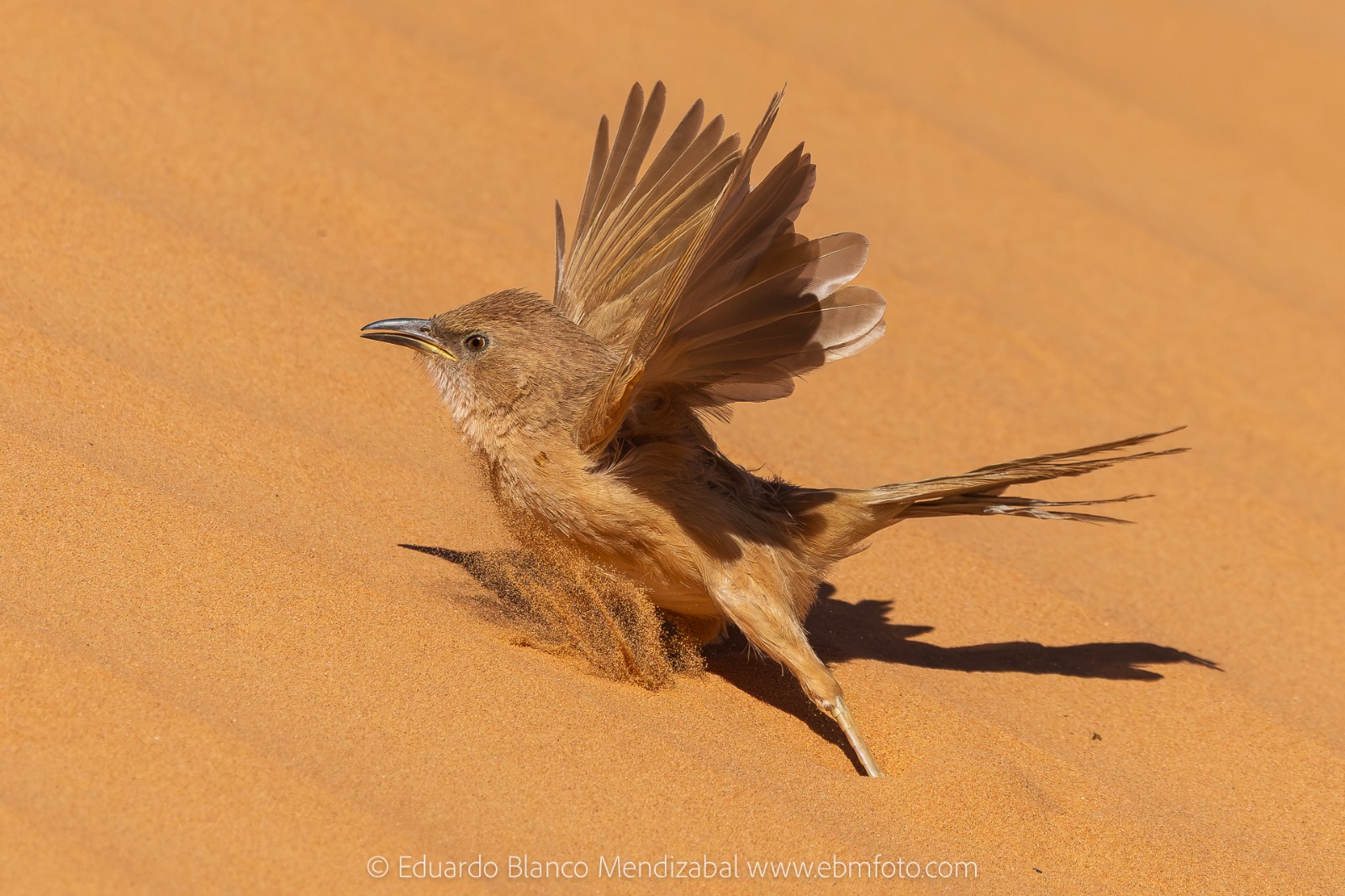
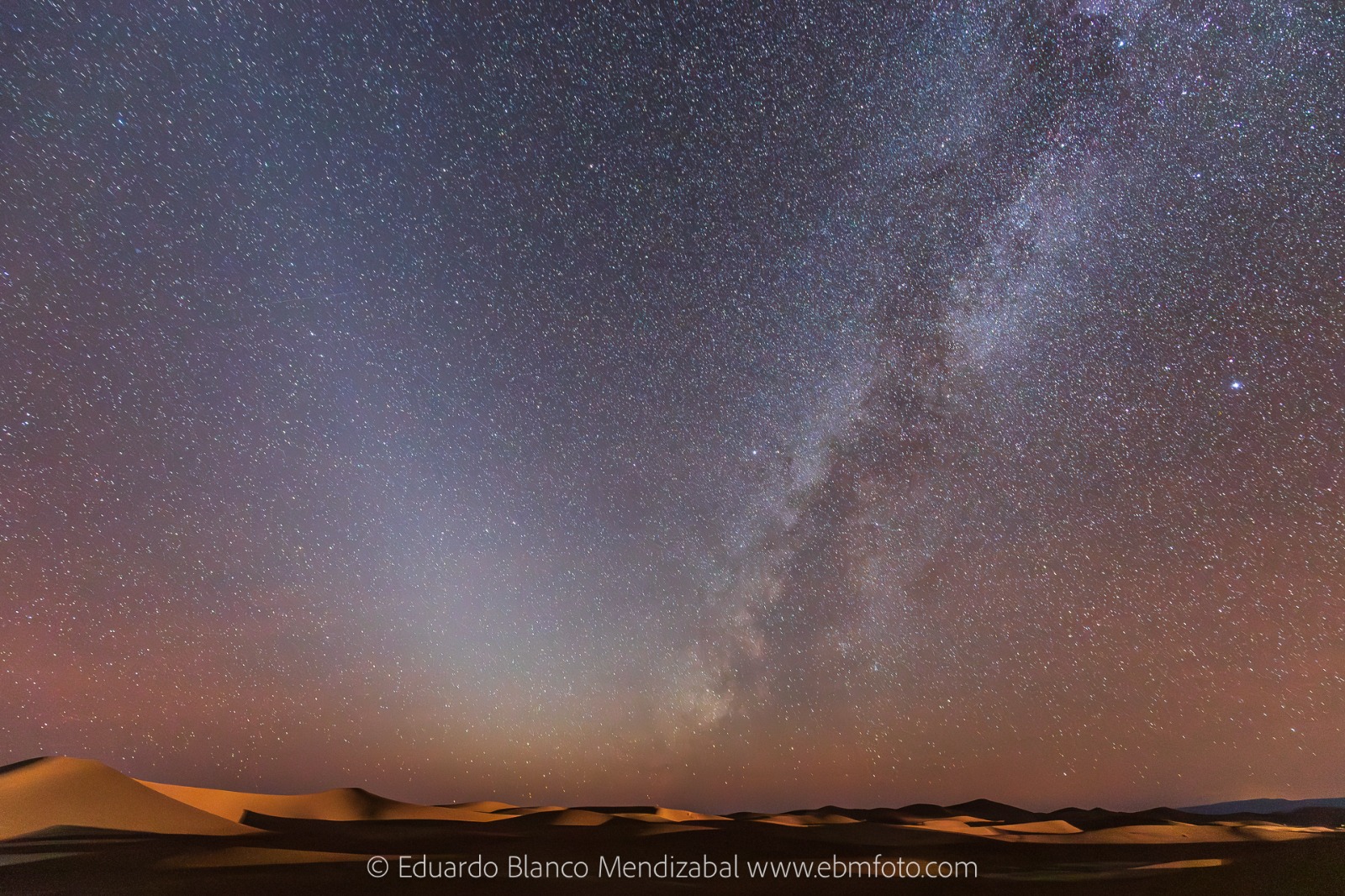
Sunrise on the dunes. In the morning we photograph the desert specialist birds in oases, tamarisk scrub and around desert camps: Desert Sparrow, Fulvous Babbler, African Desert Warbler and Egyptian Nightjar, among others. In the afternoon we head out by 4x4 to photograph the fennec fox near its den: we wait at a respectful distance for the cubs to come out to stretch, play or feed. After sunset, night photography in the desert.
-
6
Desert sunrise, birds, fennec fox and night photography
We repeat the previous day's plan to get a second chance with each species and each light, and to make up for any session affected by wind or dust. Sunrise on the dunes, birds in the morning, fennec fox near its den in the…
Read the full day
We repeat the previous day's plan to get a second chance with each species and each light, and to make up for any session affected by wind or dust. Sunrise on the dunes, birds in the morning, fennec fox near its den in the afternoon and night photography in the desert.
-
7
Desert, Rissani, Draa Valley and Ait Ben Haddou
A last sunrise in the desert. In the morning, birds and landscapes around Rissani, an oasis and former caravan hub. We then cross to the Draa Valley, with its palm groves and ksour (fortified villages), and reach the ksar of Ait…
Read the full day
A last sunrise in the desert. In the morning, birds and landscapes around Rissani, an oasis and former caravan hub. We then cross to the Draa Valley, with its palm groves and ksour (fortified villages), and reach the ksar of Ait Ben Haddou to photograph the sunset and, after dark, a night session.
-
8
Sunrise at Ait Ben Haddou and return
Sunrise over the ksar. Return journey back across the Atlas Mountains, transfer to Marrakech airport and flight home to Spain.
Gallery
What's included
Included
- Transfers
- Accommodation in shared rooms with breakfast: traditional riad in Marrakech (1 night) and comfortable hotels along the route (6 nights)
- All dinners except on the first day
- Van transport with a local guide
- Spanish guide Eduardo Blanco Mendizabal, with all his expenses included, also during the Marrakech street photography session
- Desert outing by 4x4
Not included
- Flights
- Travel insurance
- Lunches
- Dinner on day 1 in Marrakech
- Drinks
- Tips
- Personal expenses and anything not listed under what is included
Your guide
Eduardo Blanco Mendizabal
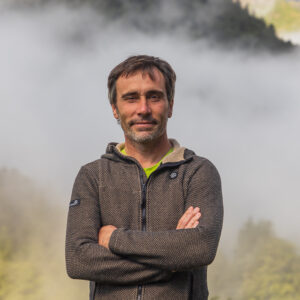
Eduardo Blanco Mendizabal has been a nature photographer and guide for 20 years, specialising in landscape and wildlife. European Wildlife Photographer of the Year 2019.
View profileFrequently asked questions
Who leads the trip?
Eduardo Blanco Mendizabal, a Spanish guide and expert on the region, accompanies us throughout the trip, including the street photography session in Marrakech. A local guide also travels with us along the route.
Is this a wildlife or a landscape trip?
Both. Mornings and some afternoons focus mainly on birds and the fennec fox. Sunrises, sunsets and nights are for landscape: the Atlas, Todra, dunes, kasbahs and the night sky.
Which species might we see?
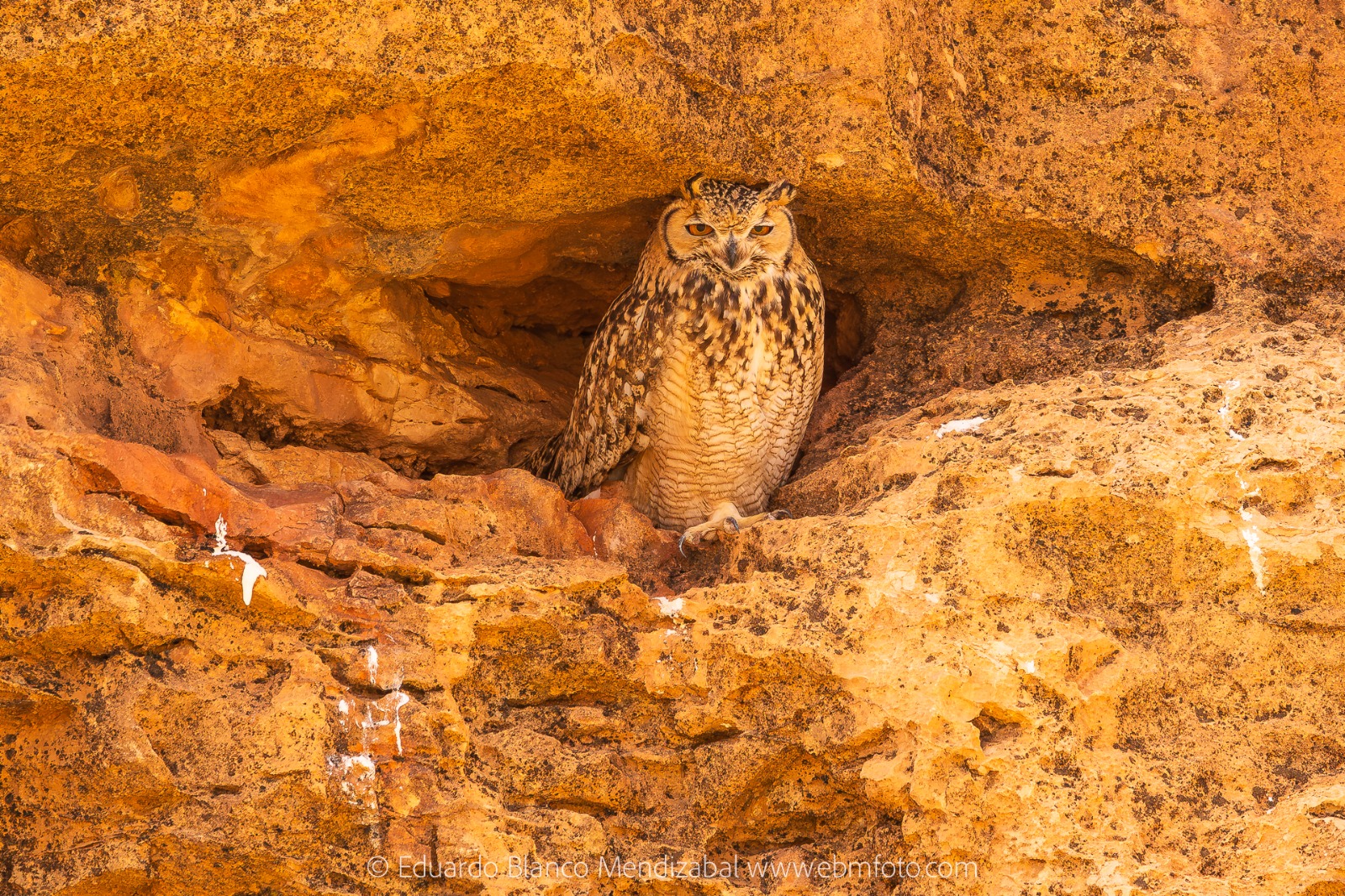
Steppe and desert birds such as larks (Thick-billed, Temminck's, Greater Hoopoe-Lark), Cream-coloured Courser, sandgrouse, wheatears, Desert Sparrow, Fulvous Babbler, Egyptian Nightjar and raptors such as Pharaoh Eagle-Owl or Lanner Falcon. Also the fennec fox. This is wild nature: we never guarantee any sighting or any particular photo.
How do we photograph the fennec fox?
Near its den. We stay at a respectful distance, waiting for the cubs to come out to stretch, play or feed. Animals are photographed, never disturbed, harassed or pressured.
Will there be night photography?
Yes, briefly: in the desert and at Ait Ben Haddou we will do sunset and night sessions, with a simple explanation of how to approach them. The dates coincide with the waning moon, which rises later each night, so the Milky Way is not the goal of this trip.
What fitness level is required?
Low. There are short walks through the medina, on the dunes and over stony ground, always at an easy pace. The most demanding parts are the early starts for sunrise and a few long days in the van (days 2, 7 and 8).
How big is the group?
A small group of 5 to 7 travellers, plus Eduardo Blanco as guide. This keeps things personal, leaves room for everyone at each photo spot and minimises our impact on wildlife and people.
Where do we stay?
The first night is in a traditional riad in the Marrakech medina. The remaining nights are in comfortable hotels along the route: 2 nights in the Dades Valley, 3 at Erg Chebbi and 1 in Ait Ben Haddou. All accommodation is in shared rooms.
Are flights included?
No. Each traveller books their own flight to Marrakech. Eduardo, the Spanish guide, departs from Barcelona; anyone who wishes can book the same flight as him.
Do I need travel insurance?
It is not included, but we recommend a policy covering medical assistance, repatriation and cancellation.
What vehicles do we travel in?
A van with a local guide for the whole route. In the Erg Chebbi desert we head out by 4x4.
What photography gear do you recommend?
A long telephoto (400–600 mm or equivalent) for birds and fennec fox, a fast wide-angle (f/2.8 or faster) for night work, a mid-range zoom for landscape and street, a sturdy tripod, a head torch with red light, spare batteries and memory cards, and sand protection: covers, an air blower and dry bags. Avoid changing lenses in the wind.
Can I bring my drone?
No. Drones are banned in Morocco without prior authorisation and are confiscated at customs.
What documents do I need?
For Spanish citizens: no visa is required for tourism, but you need a passport valid for more than 6 months; the Spanish ID card is not accepted for entry, and no vaccinations are mandatory. Other nationalities should check their own requirements.
What will the weather be like?
Days are warm in the desert, while nights and early mornings are cool, especially in the Atlas and the Dades. Wind and sandstorms are possible in spring. We recommend layered clothing, a windproof jacket, a cap, a buff or scarf against the sand, and sun protection.
Is there a time difference with Spain?
Yes. In April Morocco is one hour behind mainland Spain.
What is the street photography like in Marrakech?
We will mainly work on wide scenes and on the stalls where we buy something.
Another question? Ask the assistant or write to us on WhatsApp.