
10 Tips for Photographing Landscapes in Extreme Cold
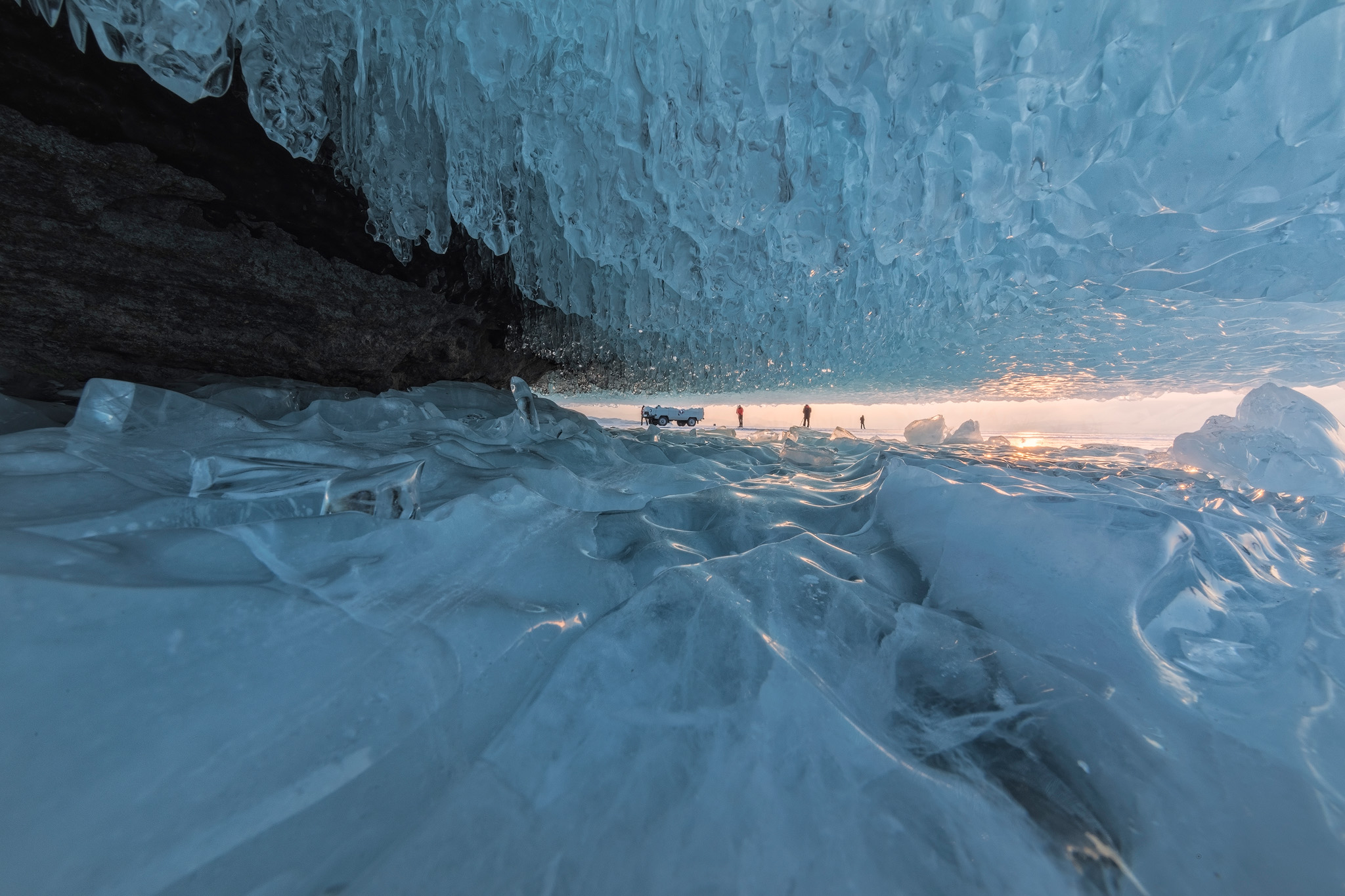
A frozen landscape, with low light and clean air, is one of the best things that can happen to a photographer. It is also where gear fails fastest and where you suffer the most yourself. These are the ten tips I follow before and during every shoot in the cold.
1. Carry more batteries than you think and keep them warm
Cold slows down the chemical reaction inside batteries and temporarily reduces their capacity. Keep your spares in an inside pocket, close to your body, and don’t put a battery in the camera until you are ready to shoot. Swap it as soon as the indicator starts to drop. The one you take out isn’t dead: once it warms up, it gets back a good part of its charge.
2. Don’t charge frozen batteries
Before plugging in a battery that has spent hours below freezing, let it warm up. Charging it cold can shorten its lifespan.
3. Know your camera’s limits (and test it first)
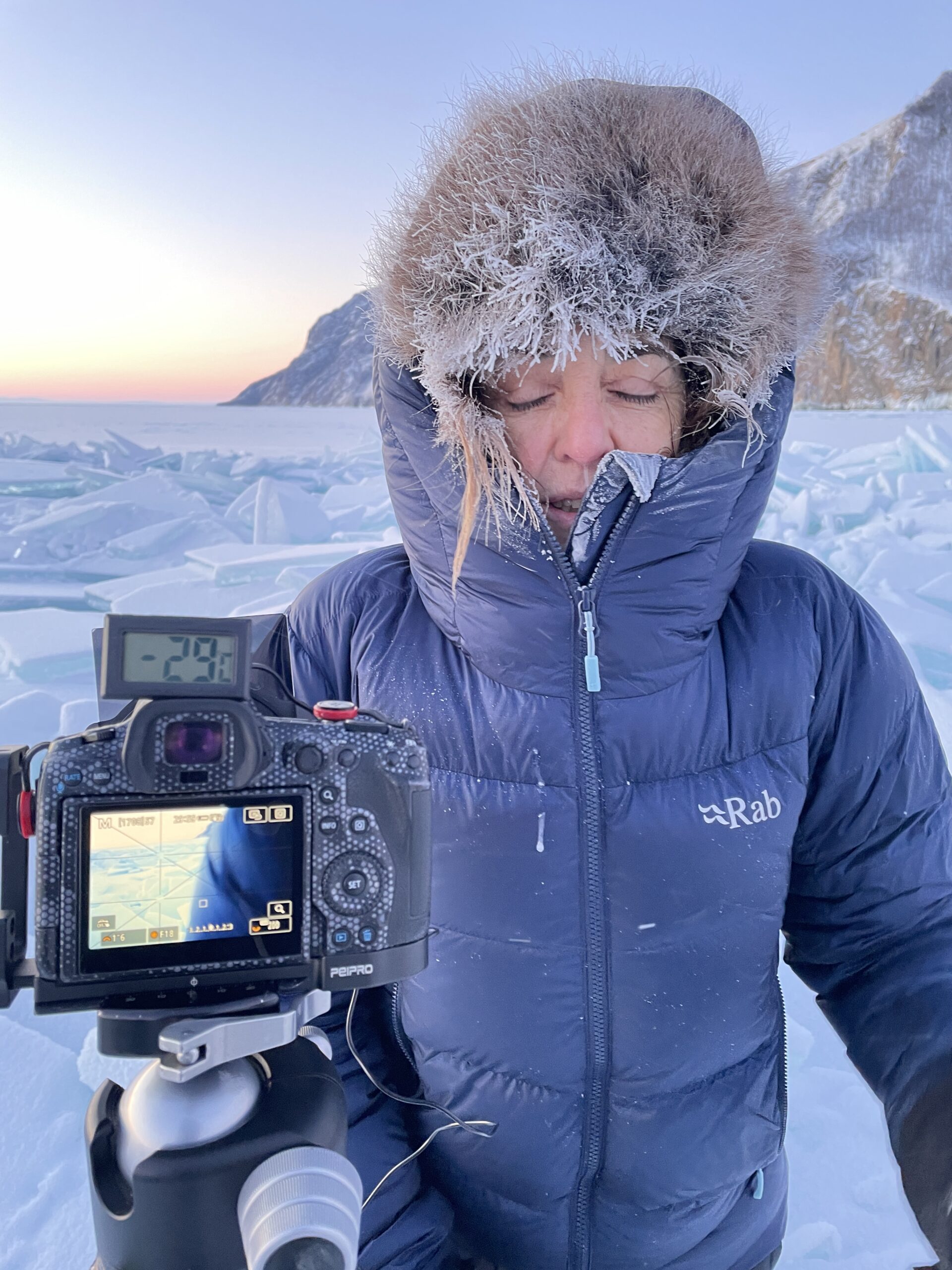
Manufacturers list an operating range, and many bodies start at around 0 °C, so below that you are working outside the official specification. In practice, the difference between cameras can be huge. On Lake Baikal, at -30 °C, in our experience only the Canon and Nikon cameras worked properly; the rest had problems or simply wouldn’t switch on. If you are heading somewhere like that, don’t trust the spec sheet: test your gear in the cold before the trip and carry a plan B.
4. Condensation is the real enemy
The danger isn’t going out into the cold, it’s coming back into the warmth. Before going inside, while you are still outdoors, put your camera and lenses in an airtight bag and squeeze out as much air as possible. Once inside, don’t open it until the gear has reached room temperature. Less air and more time means less condensation. A few silica gel sachets inside the bag help.
5. Don’t warm the camera under your coat or breathe on the lens
Your body gives off moisture. Putting your gear under your clothes or blowing on the glass only adds water vapour, which then freezes or condenses. Keep your gear in your backpack.
6. Look after your hands
Keeping your hands working is one of the hardest parts of shooting in the cold. I use the two-layer system from The Heat Company: a thin liner glove that lets me use every control on the camera without taking it off, and over it a very warm mitten that I only pull back at the moment of shooting. That way my hands are never bare. On the toughest days, a chemical hand warmer inside the mitten makes all the difference.
7. Watch the screen and trust the viewfinder
In extreme cold, the rear screen can become sluggish, lose contrast or black out. A poor display doesn’t mean the camera has failed. Rely on the viewfinder and check the histogram calmly.
8. Learn to expose for snow
Snow fools the light meter: the camera tries to render it as mid-grey, and the photo comes out dull and underexposed. I always overexpose by half a stop (+0.5 EV) and check the histogram after every shot, so the snow stays white without blowing the highlights. Trust the histogram, not how the image looks on a cold screen or in bright ambient light.
9. Handle cables and accessories with care
In prolonged cold, cables become stiff and brittle. Move them slowly and carry spares of the essentials: remote release, cables and memory cards.
10. Look after yourself before the camera
Layered clothing, food, a hot drink and, whenever possible, company and someone who knows your route. The best extreme-cold photos are the ones taken safely. That is why on our Arctic expeditions we work in small groups, with a guide and a flexible itinerary that adapts to the conditions.
Want to put it into practice?
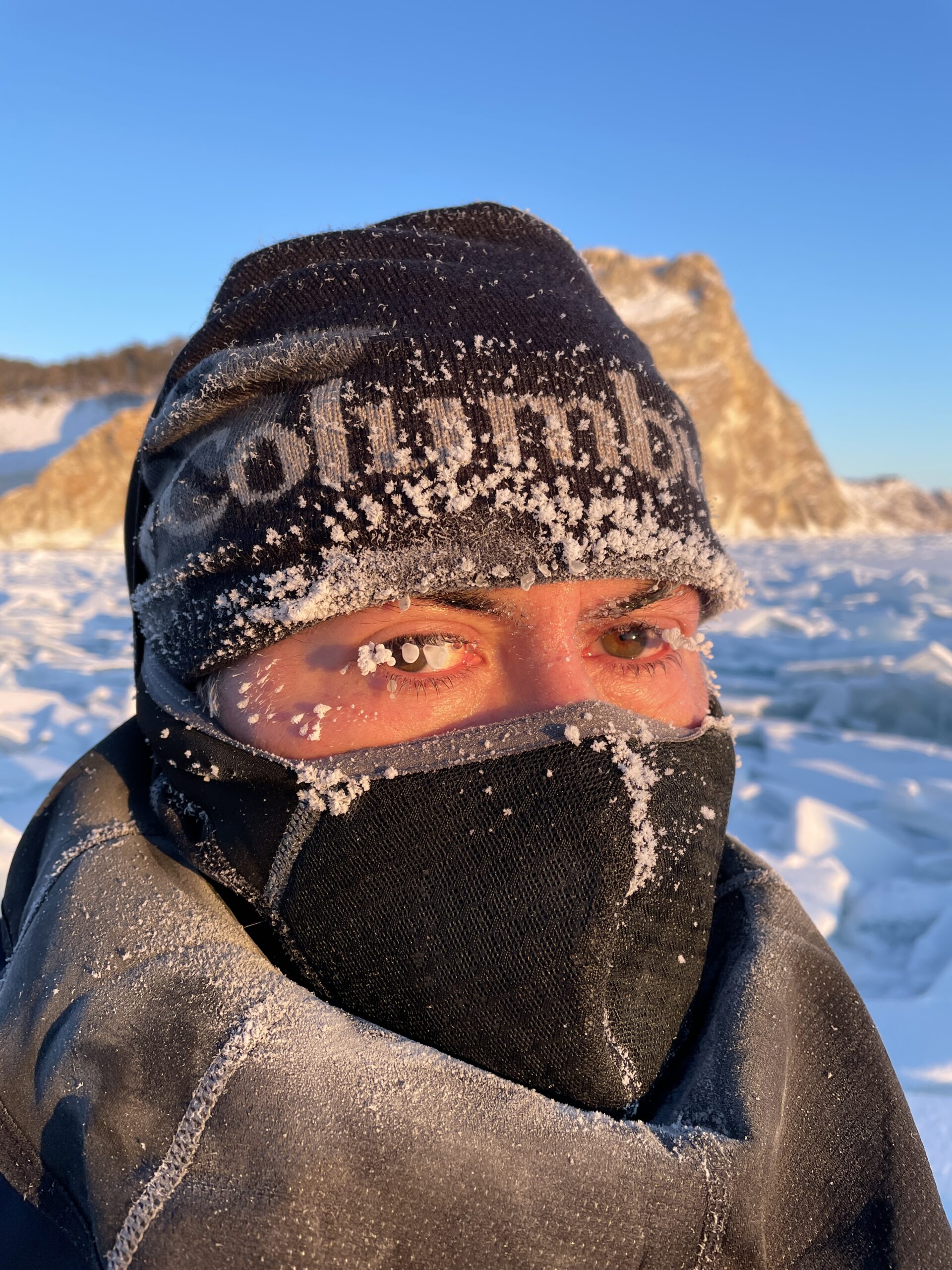
If you’d like to photograph the Arctic in good company, on Varanger 2027: Puffins, Eiders and Northern Lights (21–28 March 2027) we work in the far northeast of Europe, with Arctic landscapes, wildlife and nights planned around the northern lights. You can see all our other trips on the Zero Expeditions expeditions page.
Disclosure: I collaborate with Canon and The Heat Company. The recommendations in this article are based on my own experience in the field.