
Ethiopia: A Photography Expedition Through Danakil, Dallol and Gheralta
In April 2026, my partner and I set off on a photographic exploration trip to Ethiopia. The goal wasn’t to come home with a set of pretty postcards — we already knew we’d get those — but something more practical and more important: to see for ourselves, firsthand, whether the country’s current situation was right for bringing clients on a future expedition.
Before inviting anyone to join us on a destination, we need to walk it ourselves first. Sleeping on its roads, eating where its people eat, moving without the bubble of a closed itinerary. So instead of a tourist circuit, we did what we always do before opening a new destination: travel the way anyone would, without filters, to see the country as it really is.
Danakil: The Harshest Place We’ve Ever Set Foot In
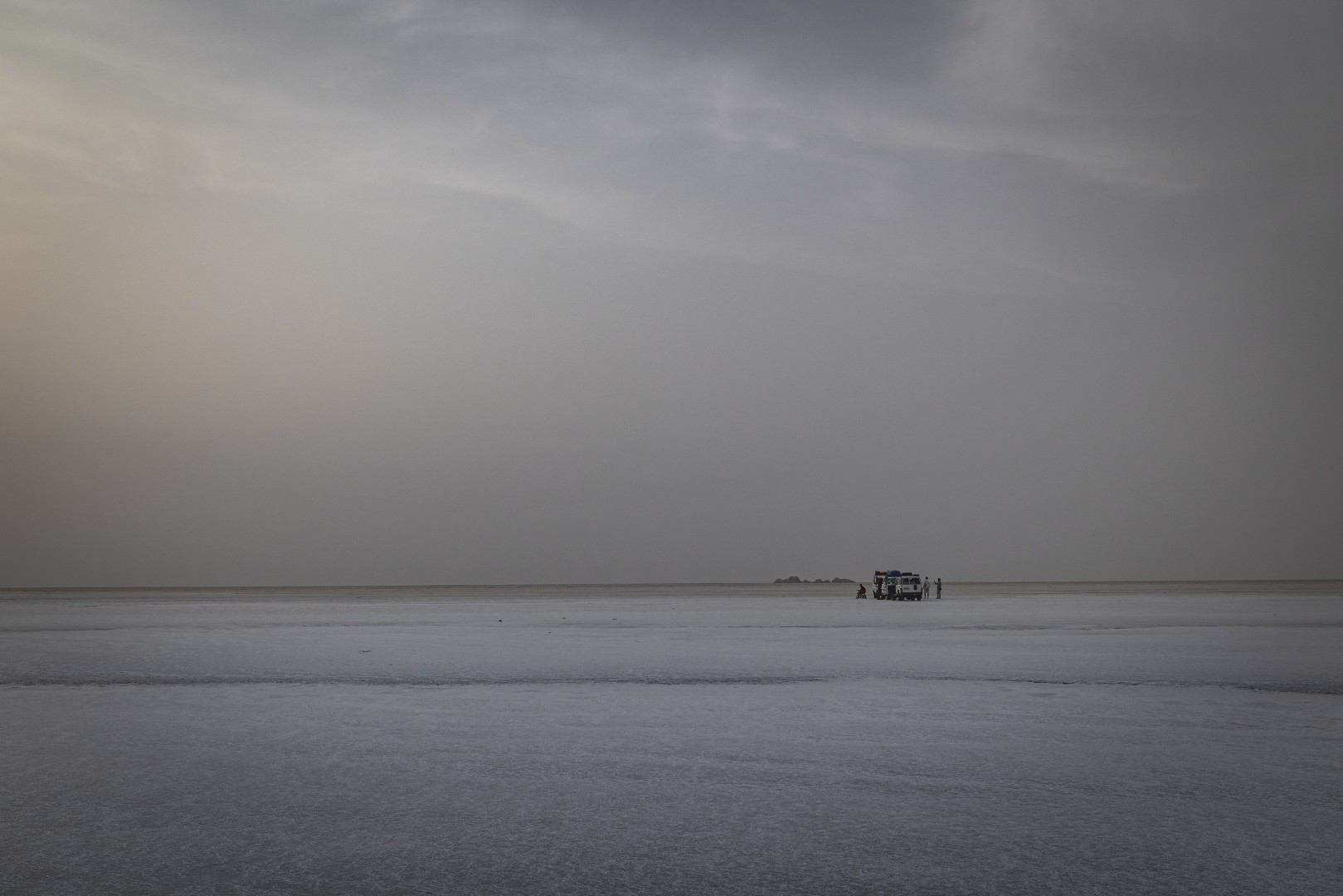
Nothing fully prepares you for Danakil. You can read about it, see photos, listen to other travelers describe it — and still, the first time the heat truly hits, when the thermometer reaches numbers the human body isn’t built to tolerate for days on end, you understand why this depression is considered one of the most inhospitable places on the planet. It’s toughness in its purest form: dust, salt, sulfur, and a temperature that gives no relief, even at night.
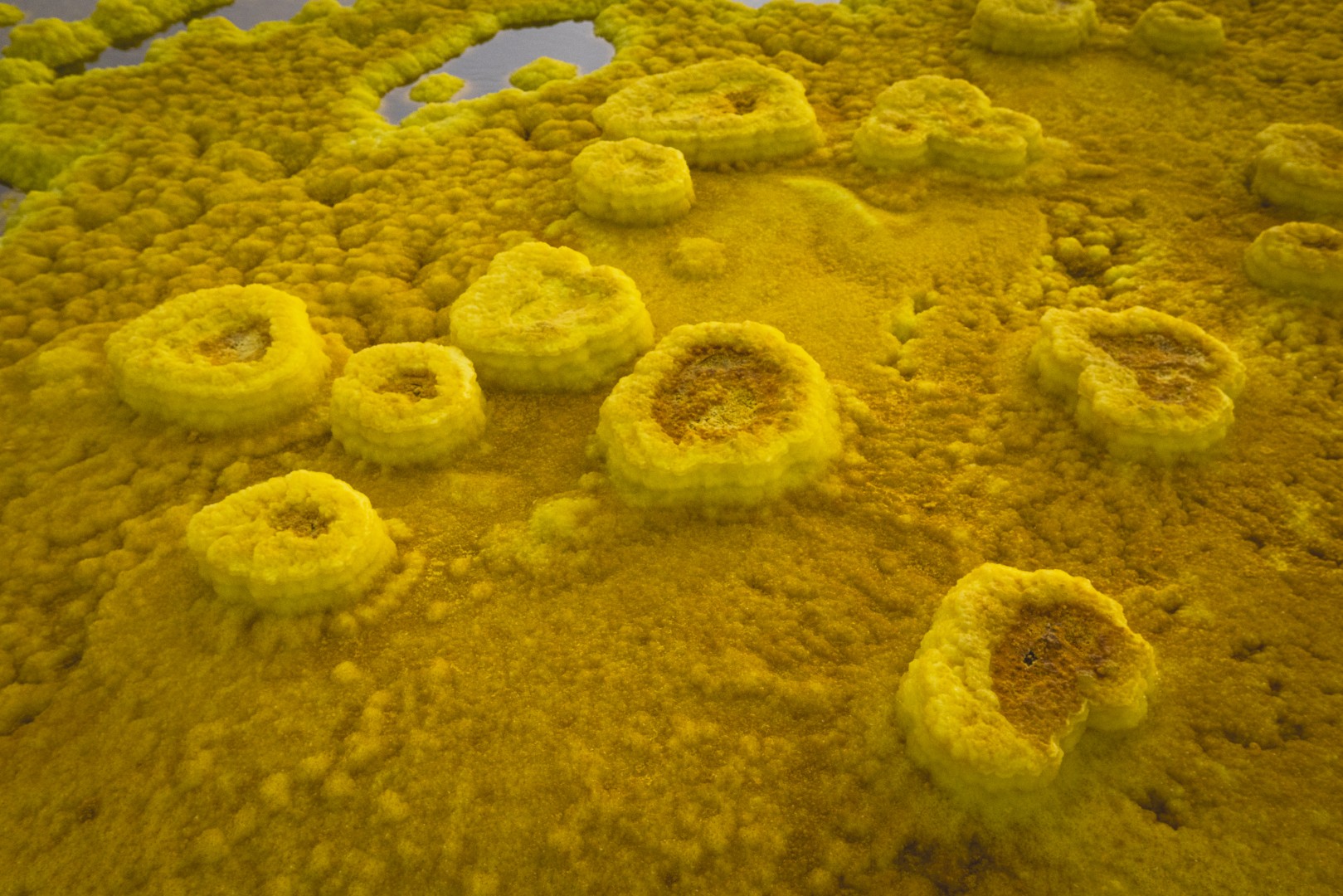
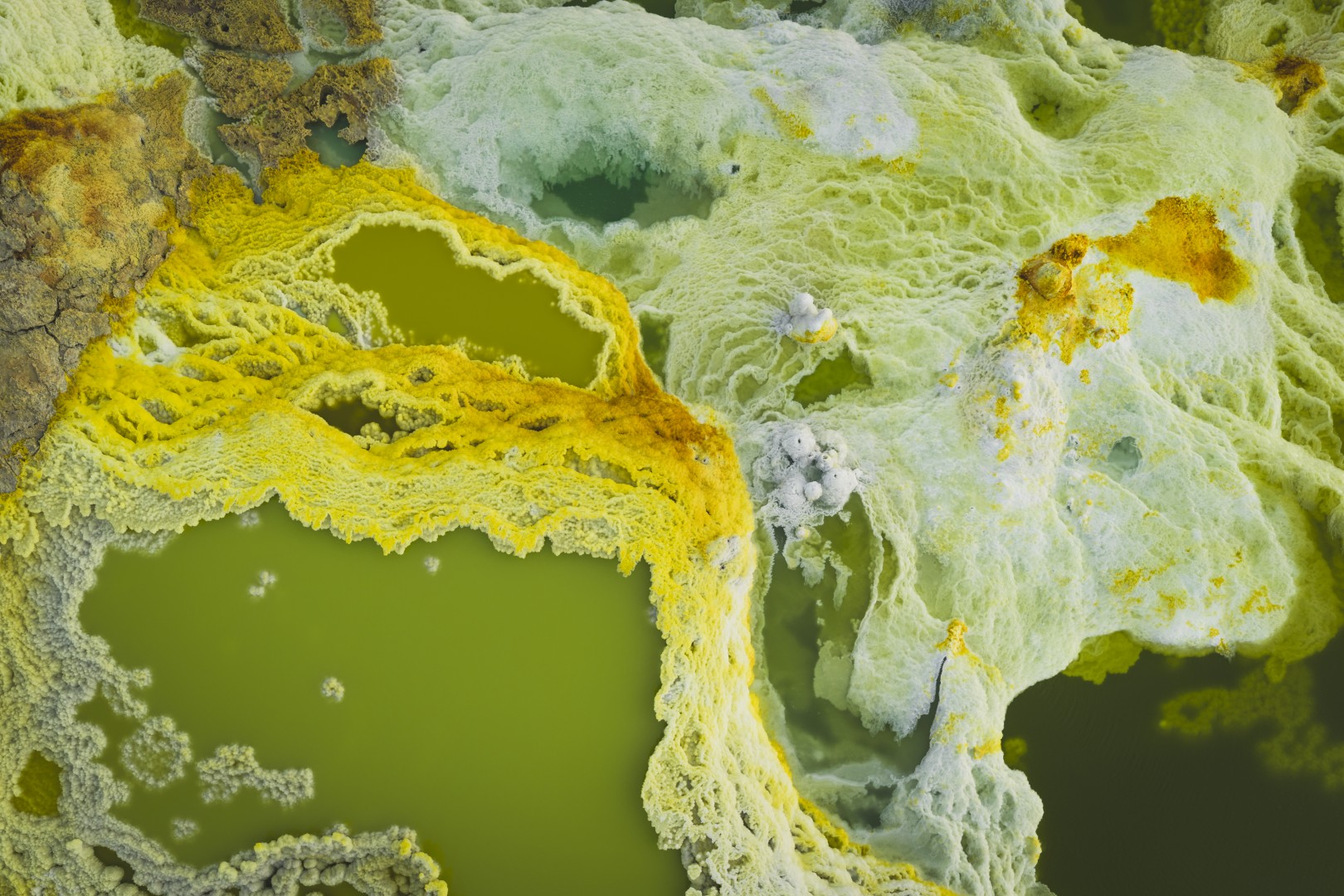
And yet, there’s Danakil’s beautiful trap: the harsher the terrain, the more extraordinary what it produces. The Dallol geothermal field doesn’t look like it belongs to this world — acid pools in phosphorescent greens, pure sulfur yellows, mineral puddles that shift color depending on the angle of the sun. Walking carefully between these formations, watching every step, is one of the most intense experiences we’ve had behind a camera.
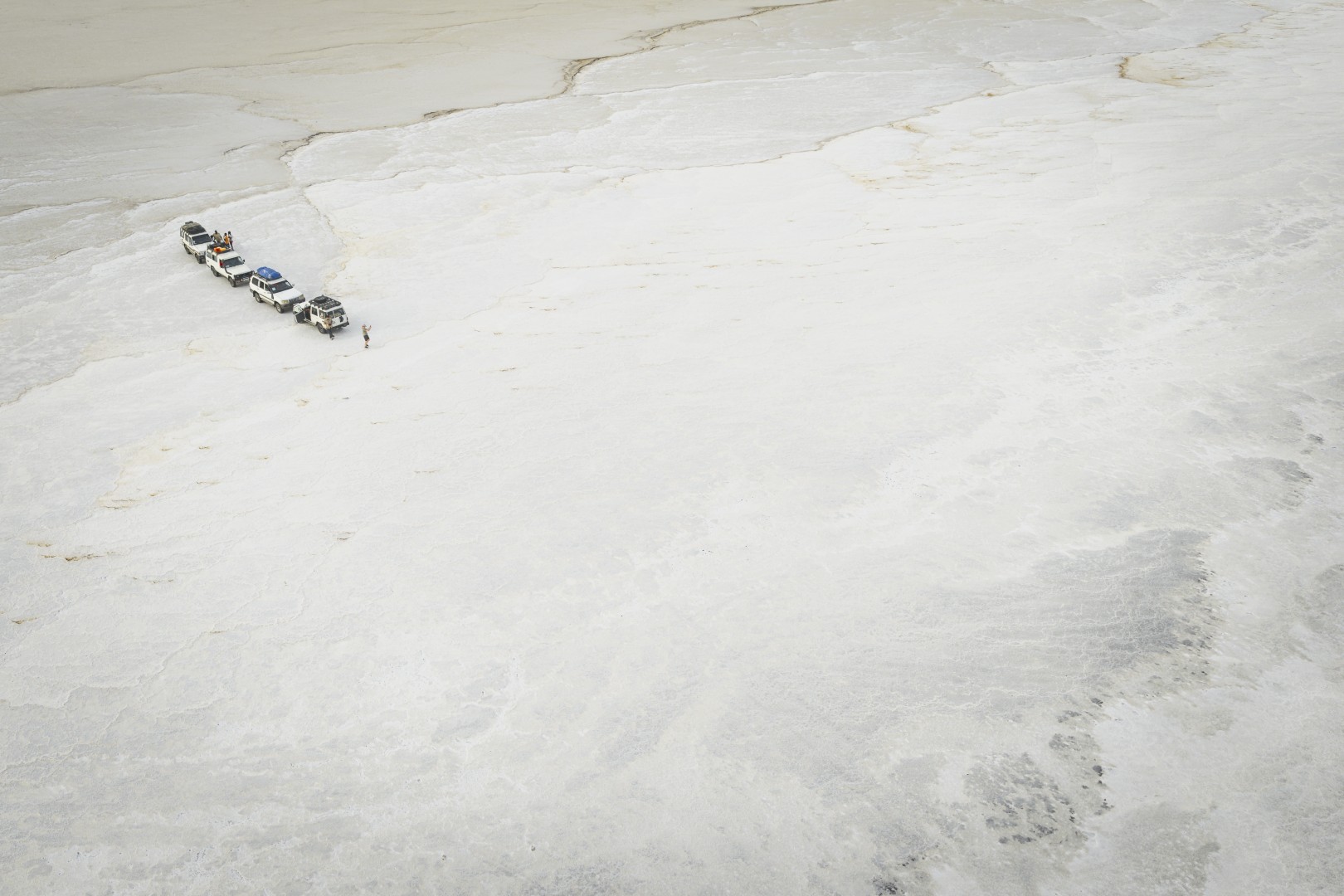
From the air, with the drone, Dallol becomes even harder to comprehend: ochre river channels snaking across the white plain, columnar basalt formations poking through a thin layer of mineral snow, salt lakes with evaporation patterns that look hand-painted.
Gheralta: Faith and Vertigo Carved Into Rock
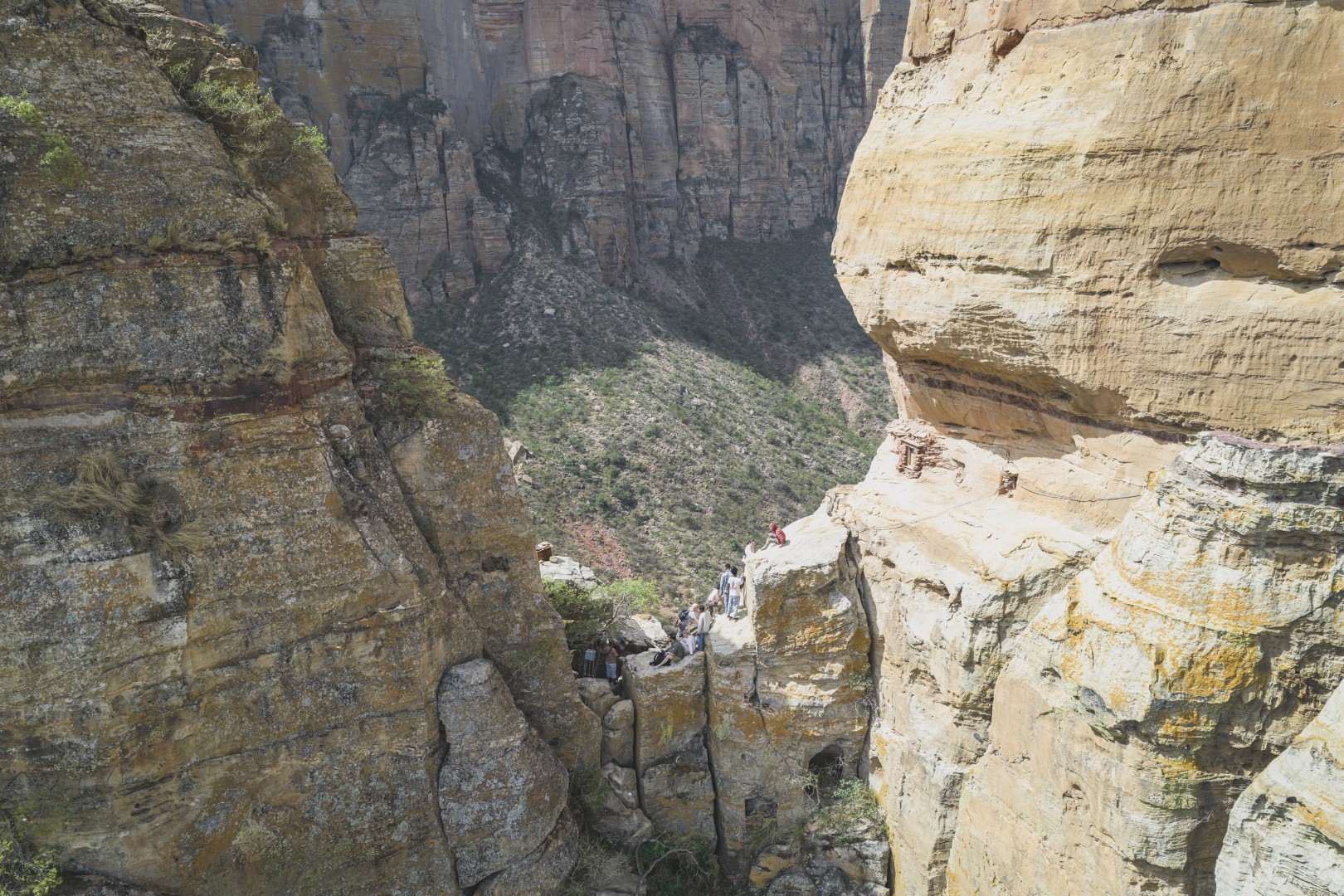
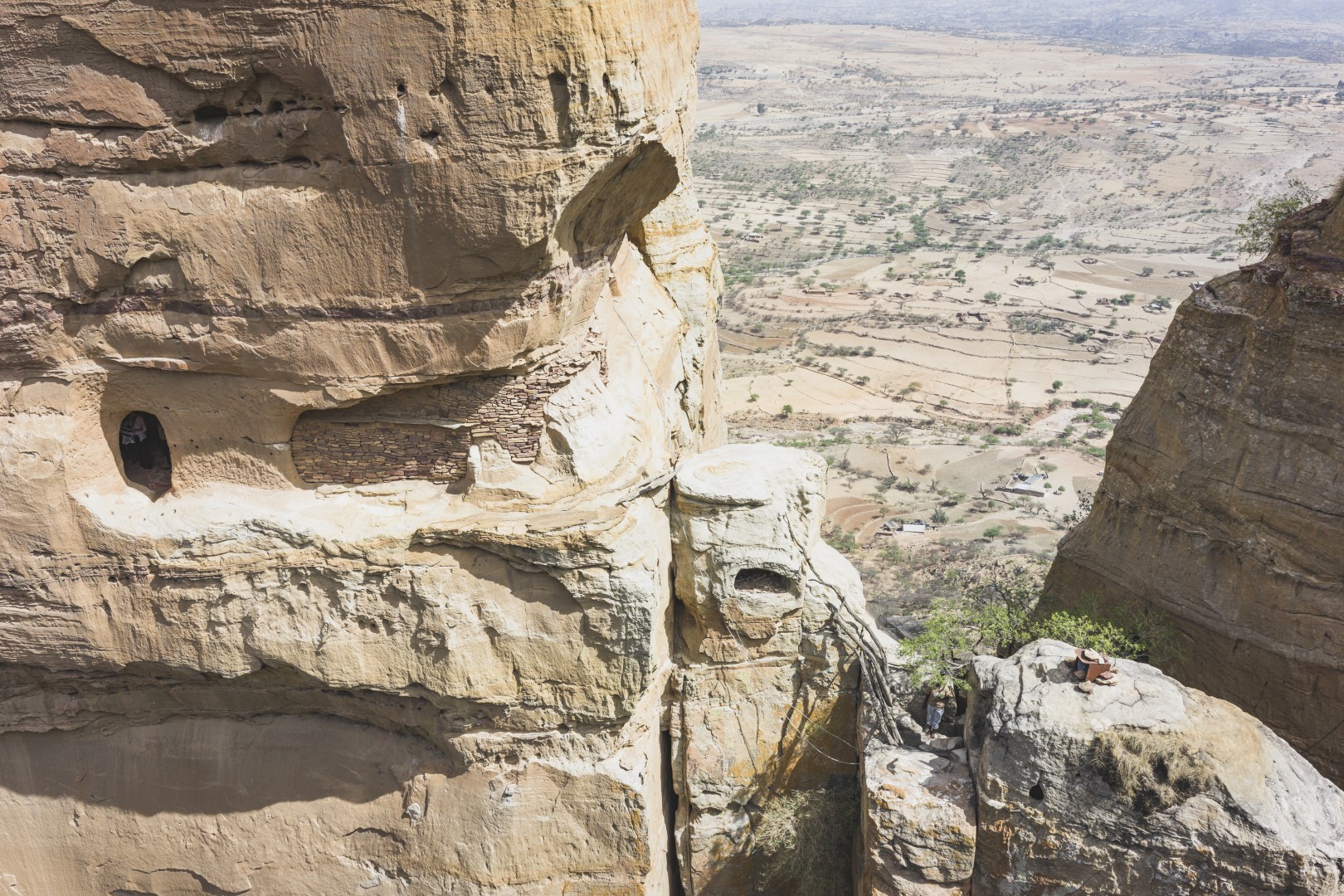
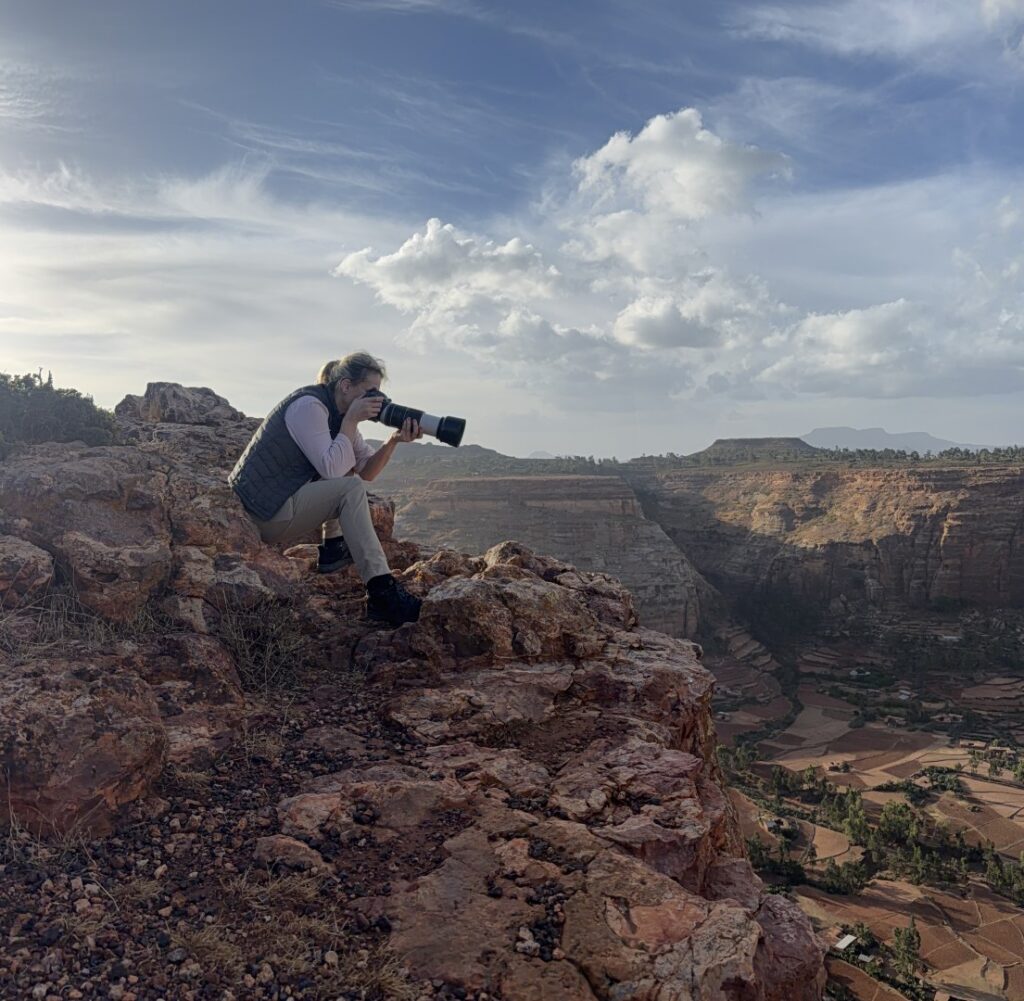
We changed gears entirely climbing up to the northern highlands, toward the cliffs of Gheralta. Here the toughness isn’t the heat anymore, but the height and exposure: red stone structures perched literally on the edge of the precipice, narrow trails between sandstone gorges that demand respect and steady legs.
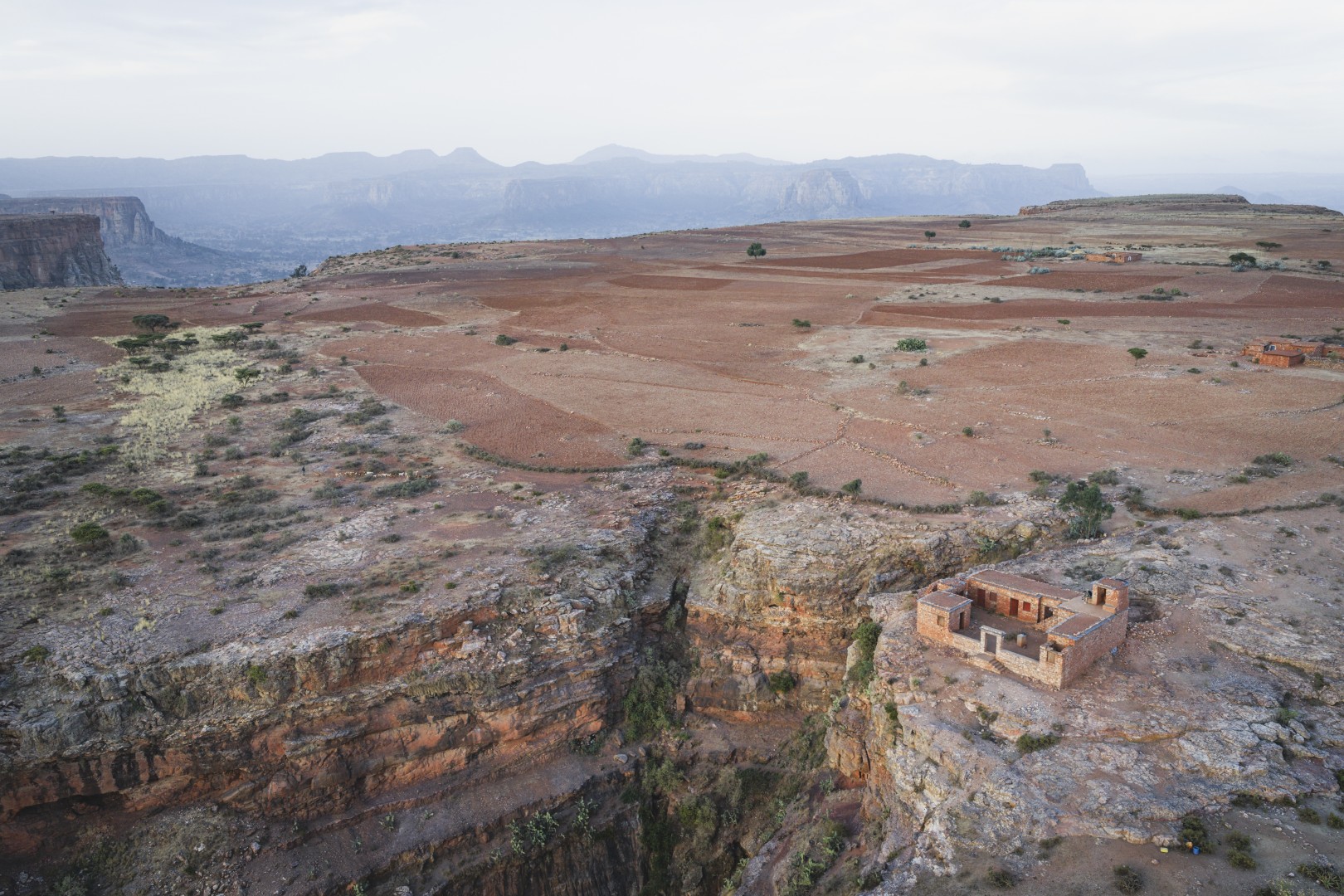
The reward for that effort is a different kind of beauty: sacred spaces carved by hand into the rock, light entering through narrow openings, centuries of faith balanced over the void.
The People: Markets, Faith, and the Everyday Life We Came to Check
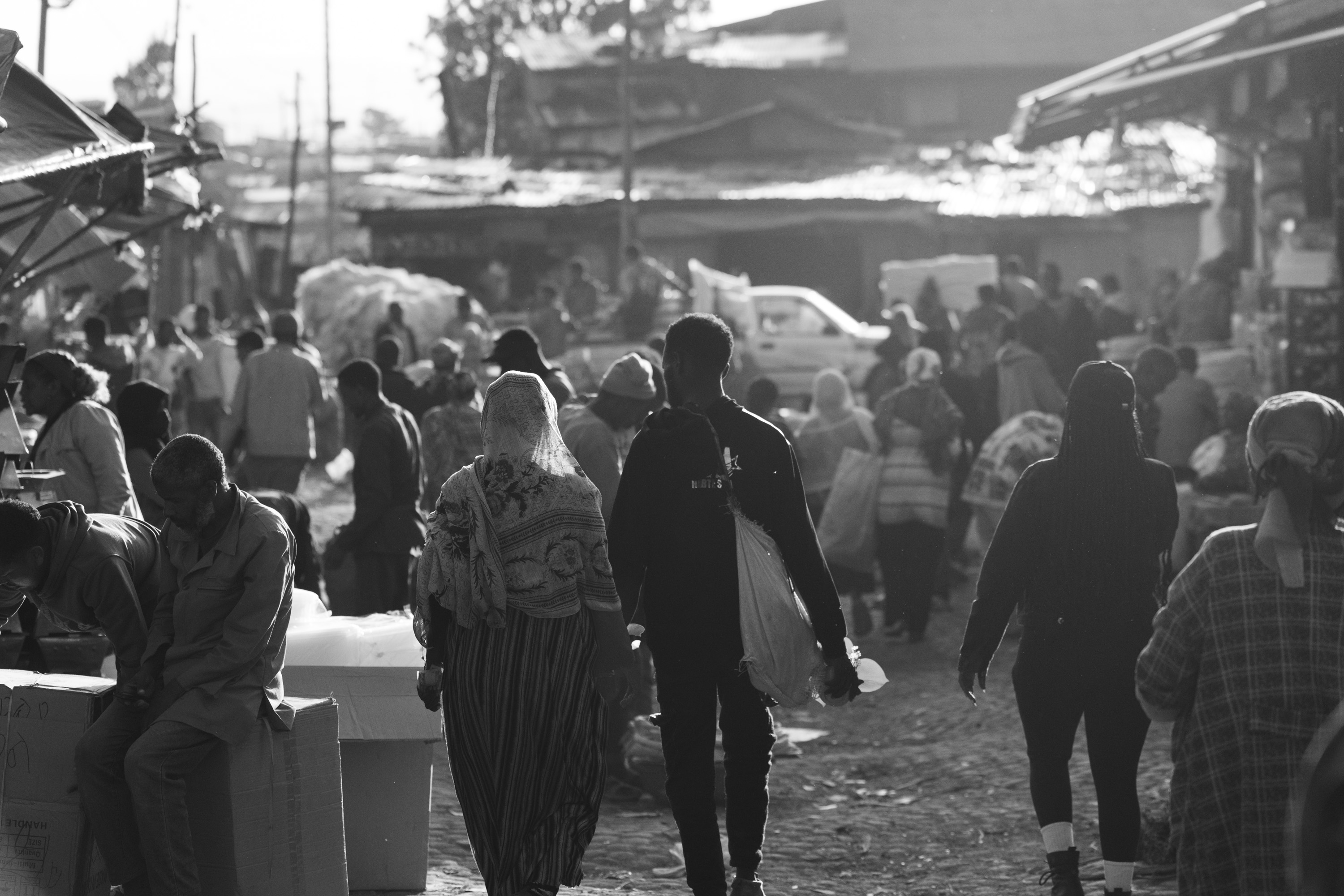
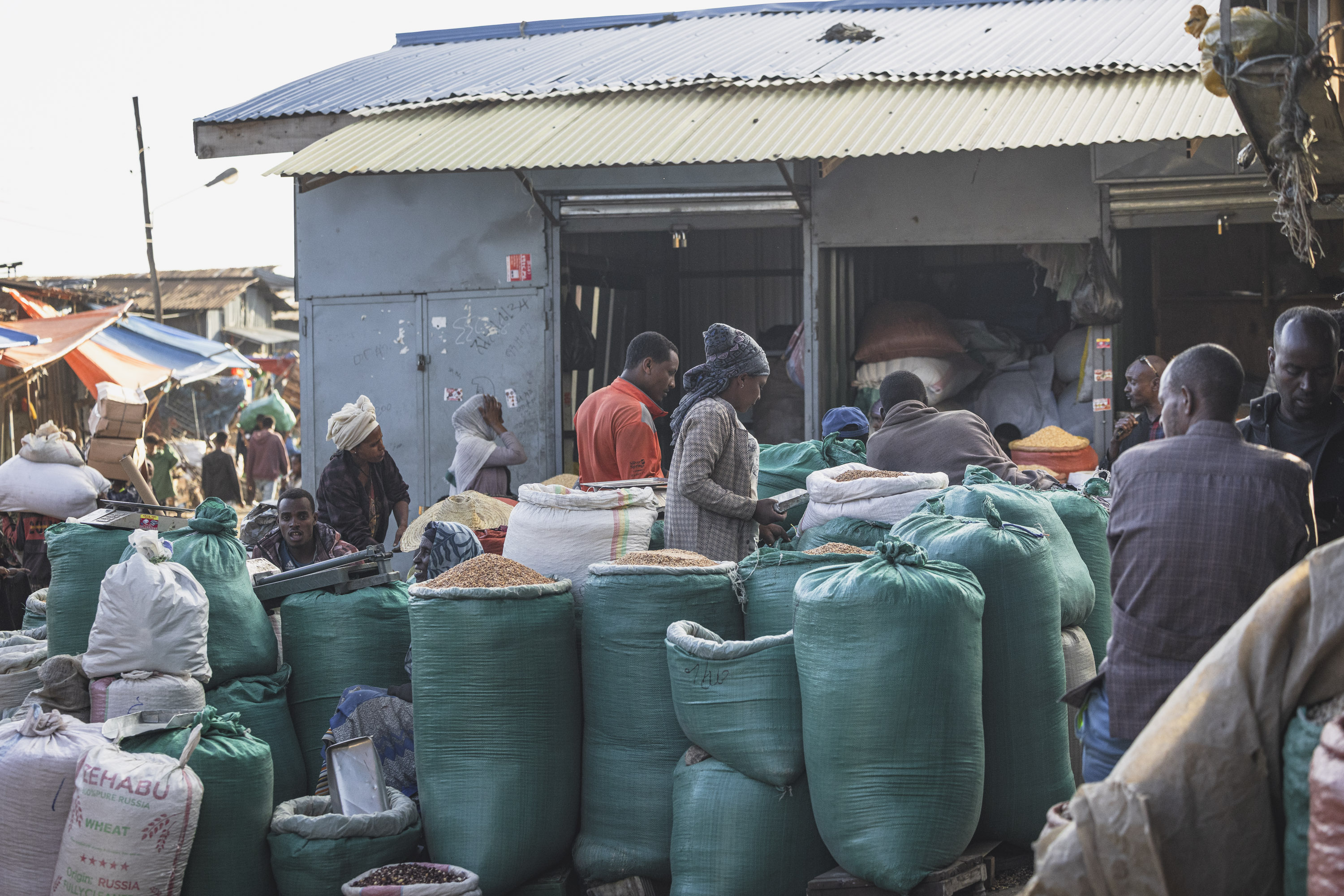
But the real purpose of this trip wasn’t the landscape — it was the people, and whether the country’s day-to-day life was still a place we could, responsibly, bring other travelers to. And this is where Ethiopia fascinates in a different way: traditional markets full of life at sunset, narrow alleys with crafts hanging between power lines, sacks of grain stacked up, loud bargaining.
Climbing to Abuna Yemata Guh is, without exaggeration, one of the hardest things we’ve done with a camera around our necks. There are no stairs, no handrails: you climb barefoot or in smooth-soled shoes up bare rock, placing your feet where generations of worshippers have left their mark, with a drop of several hundred meters on one side that doesn’t forgive a wrong step. And yet, it’s precisely that difficulty that makes the experience feel so authentic — there’s no cable car, no shortcut, no comfortable version: you only get there if you truly want to, just as has been happening for centuries. When you finally reach the ledge and the church carved into the cliff face itself comes into view, the exhaustion disappears in an instant: it’s a fundamental, almost magical place, the kind that justifies an entire trip to this region on its own. The reward isn’t just the view or the temple itself, but having shared, even if just for an hour, the same effort that faith demands of those who climb here to pray every week.
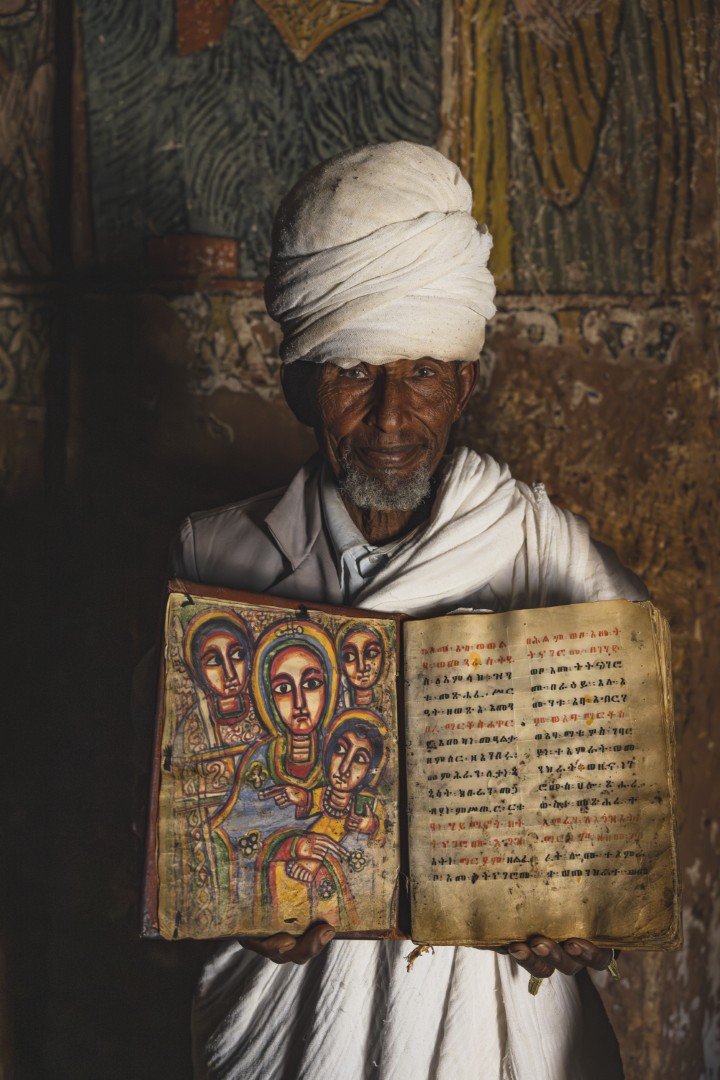
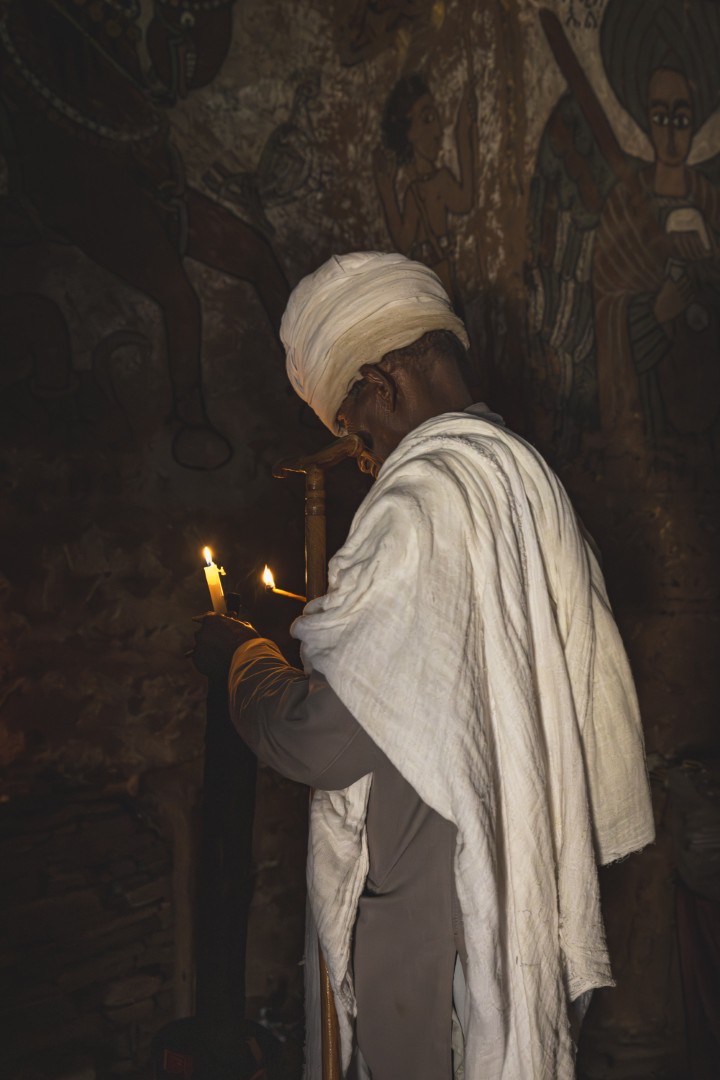
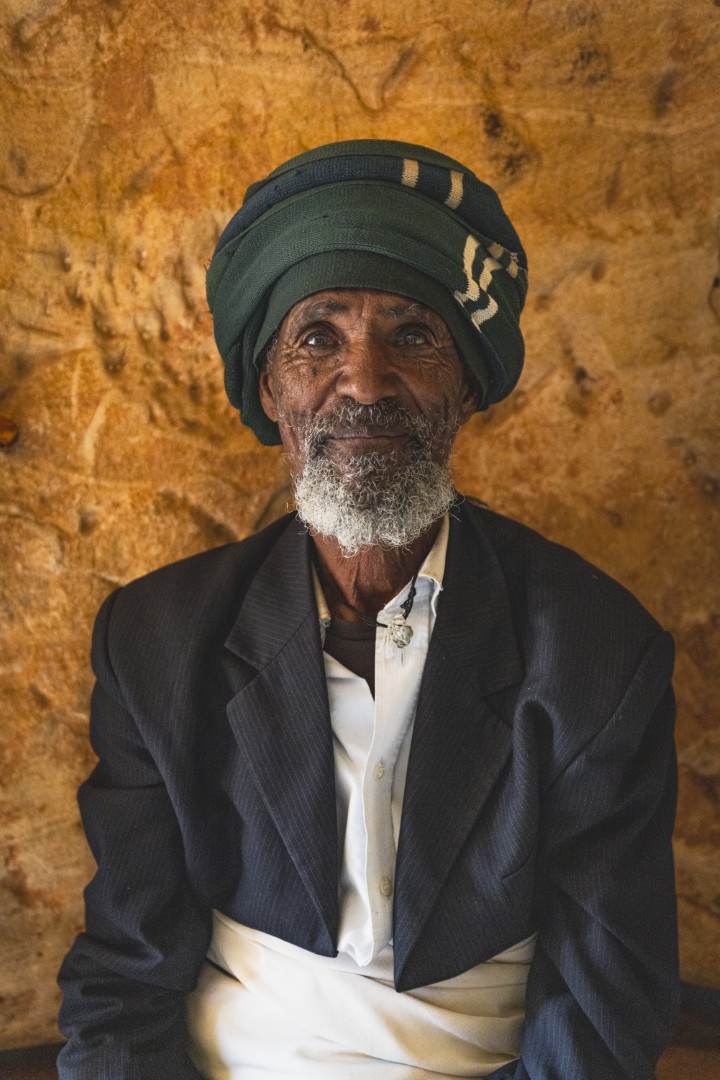
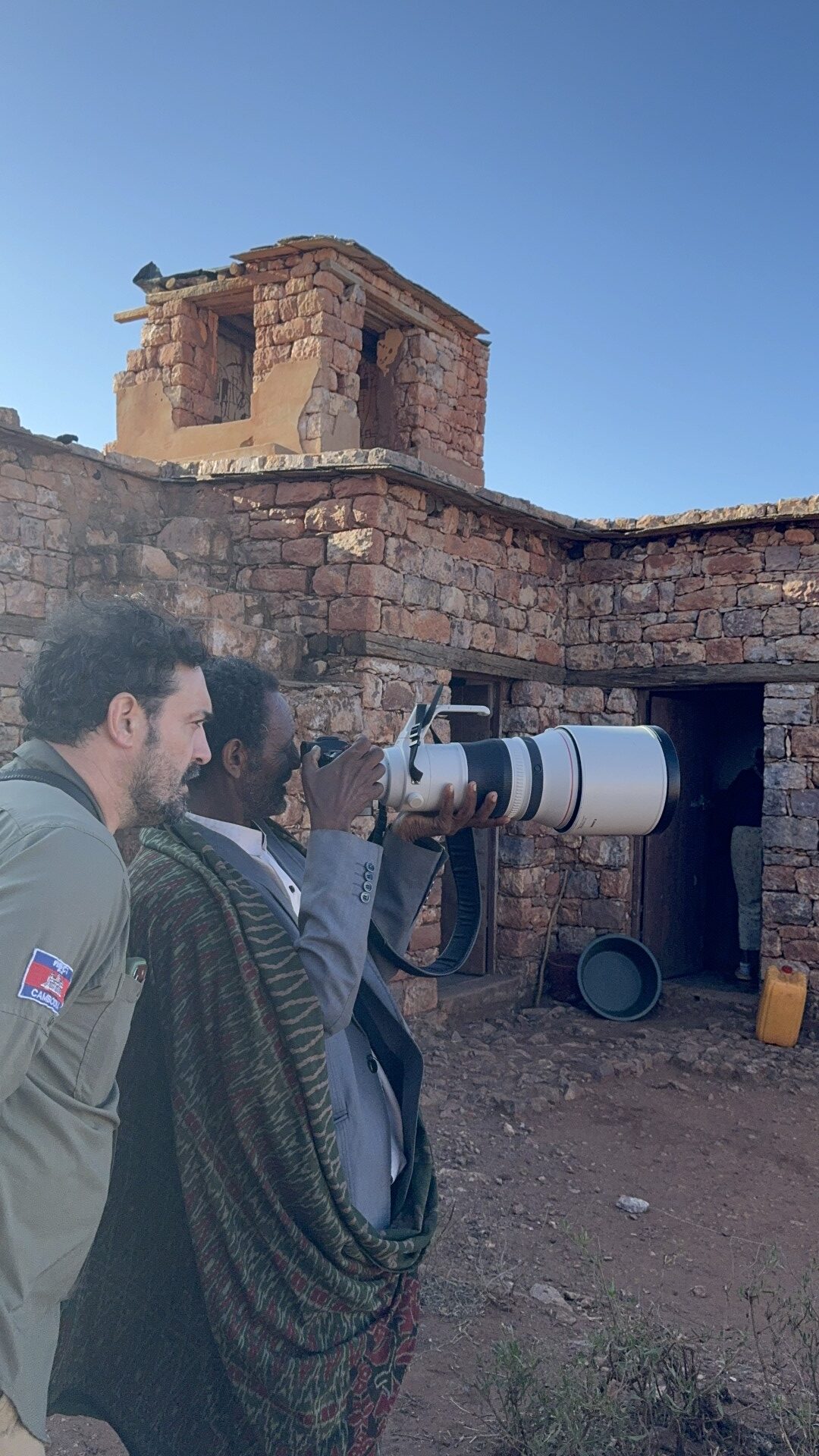
And also small, everyday moments that say more than any monument: one of our guides showing a mobile phone to a child at the entrance of a red stone house — two worlds touching for a second.
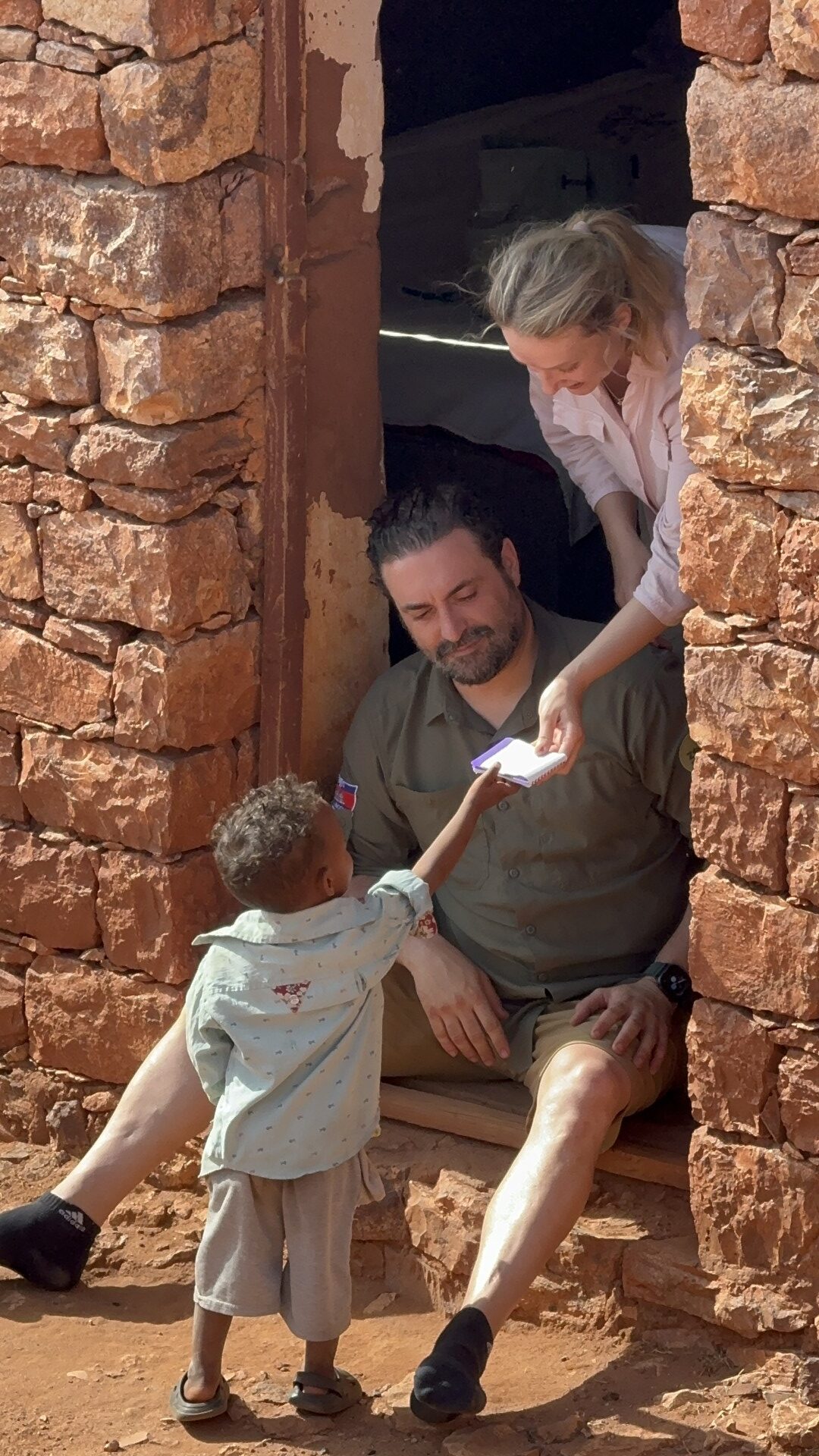
That was, in the end, the answer we were looking for: a country tough in its geography but deeply hospitable in its people, where contact with local communities feels genuine, not staged for tourists.
Wildlife: Geladas and Baboons at High Altitude
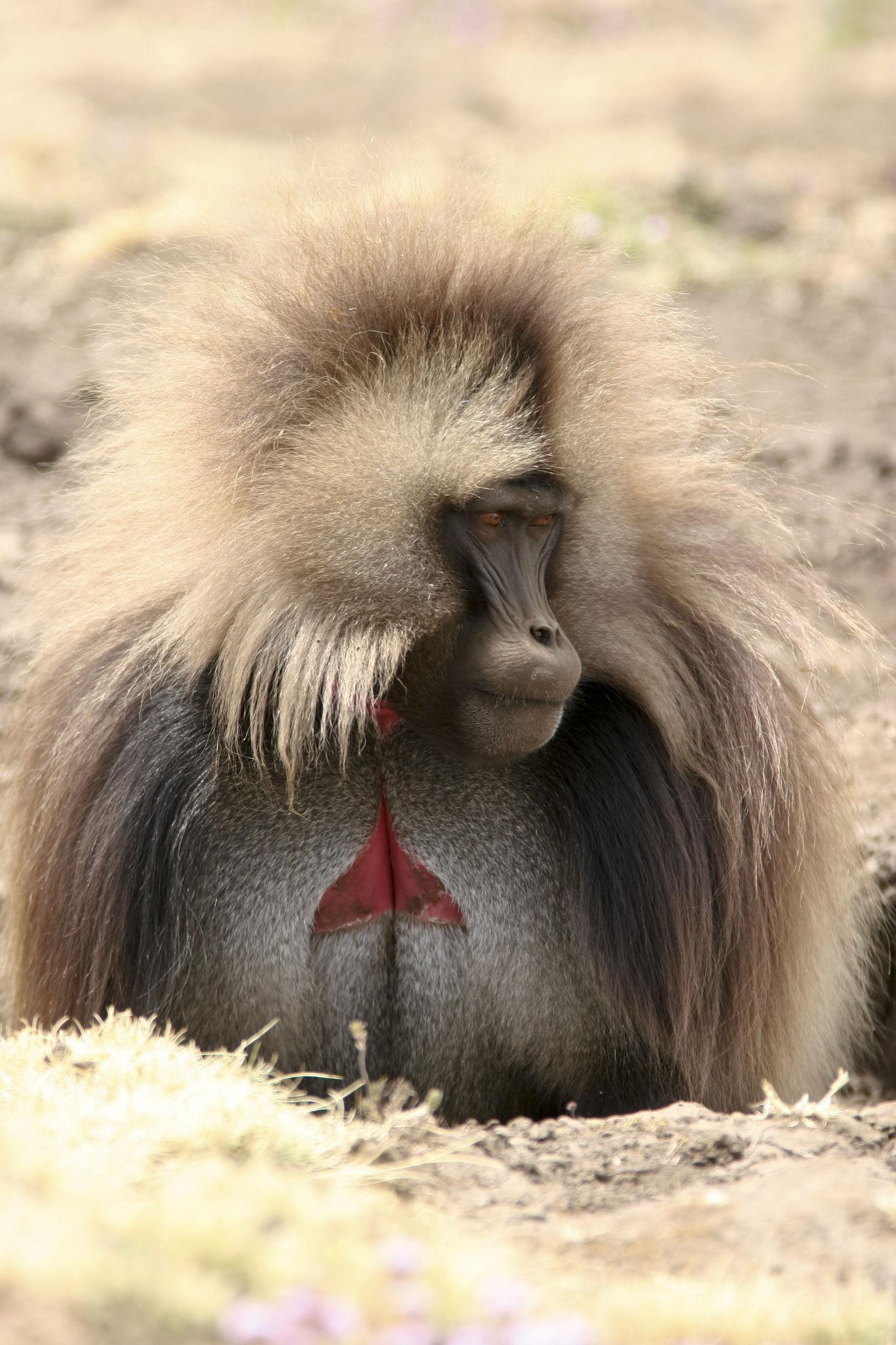
The third chapter was wildlife. In the highlands live the gelada baboons — the only primate in the world that feeds almost exclusively on grass —, with that golden mane on the males that looks pulled from an old engraving. Watching them graze in troops, barely fazed by our presence, allows for a kind of behavioral photography that’s hard to find anywhere else on the planet.
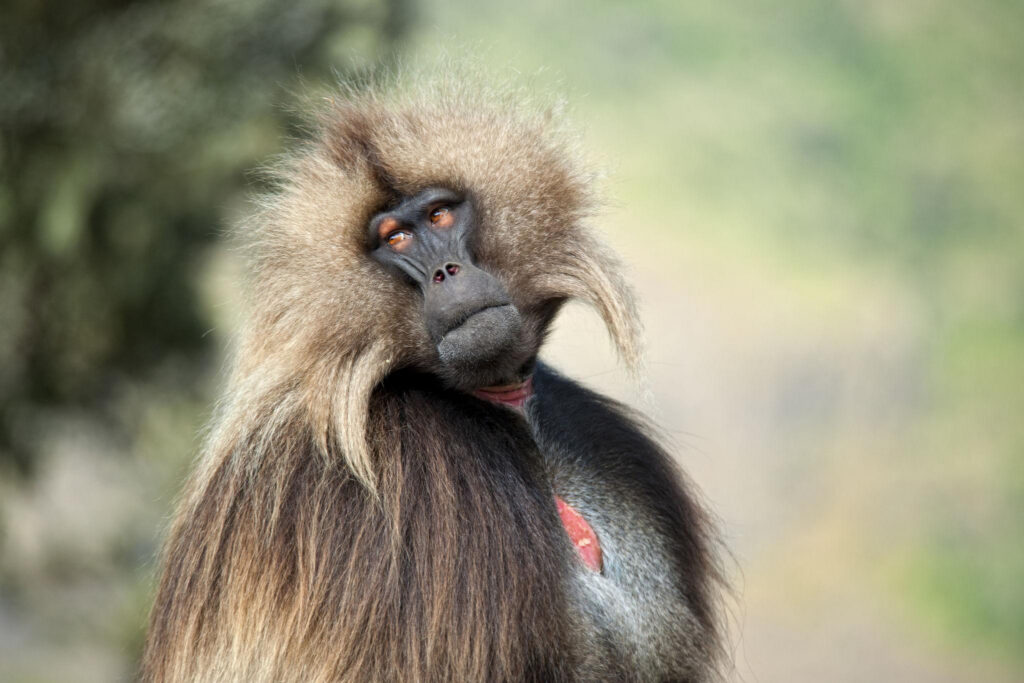
There are also hamadryas baboons, more elusive, among rocks and arid vegetation, and an eagle perched on a cliff with an agricultural valley spread out below — a reminder that even in the harshest landscape, life finds its place.
The Question We Came to Answer
Is Ethiopia ready to receive our clients? After this week sleeping on its roads, crossing its harshest desert, and sitting down to eat where its people eat, the answer we bring back is yes — with the nuances that a country this extreme and this fascinating demands. It has been, without a doubt, one of the most intense exploration trips we’ve ever taken: physical toughness, beauty that borders on the unreal, and a hospitality that feels genuine from start to finish.
And all of this was, in truth, only part of the trip. We also headed south, to the Omo Valley, among some of the continent’s most distinctive and least altered tribes — markets, rituals, and encounters that would fill a whole chapter on their own. But that’s another story, tied to another expedition we will, of course, be making.